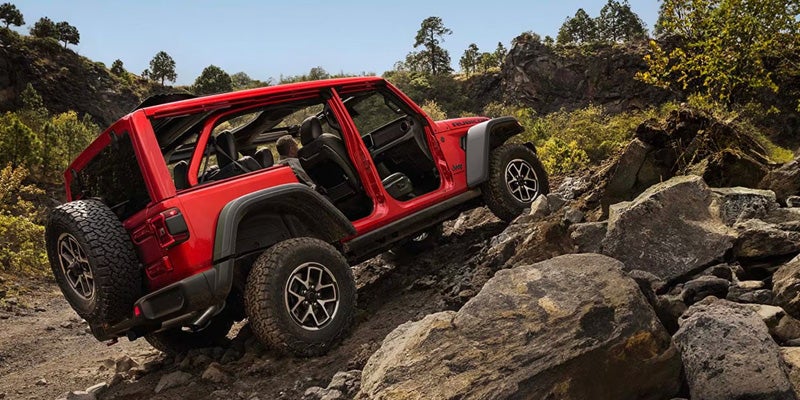





Bill Volz's Westchester

Blog / Jeep Lineup

Blog

All Jeep Lineup Local Dodge Ram Trucks Jeep Tips Jeep Wrangler Chrysler Service Tips Advice Driving Tips Dodge Charger Jeep Compass Chrysler Tips Jeep Owner Tips Electric Vehicles Financing Local Shops Local Cafes Used Vehicles Vehicle Upkeep Wagoneer Challenger Tips Chrysler Features Chrysler Service Tips Cortlandt Manor Used Cars Mopar
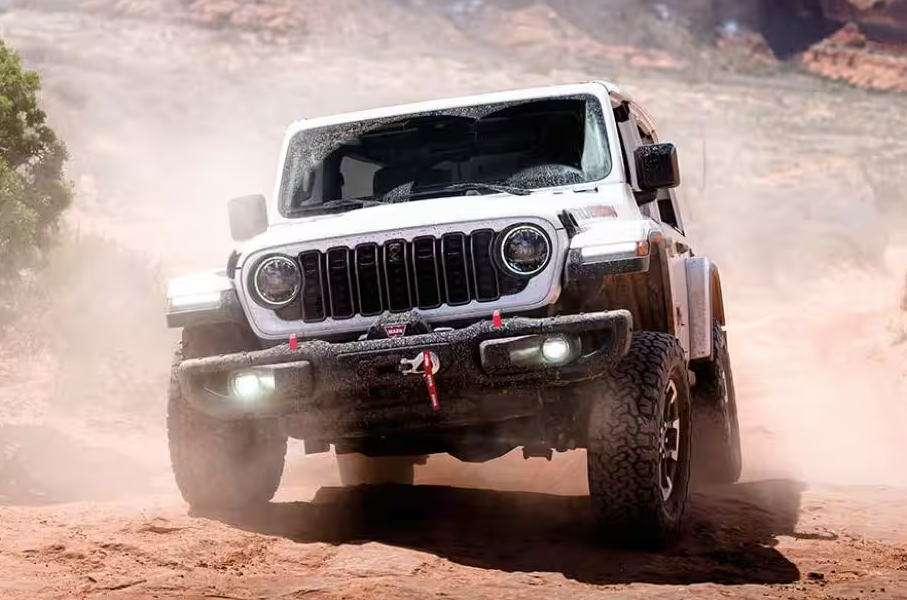
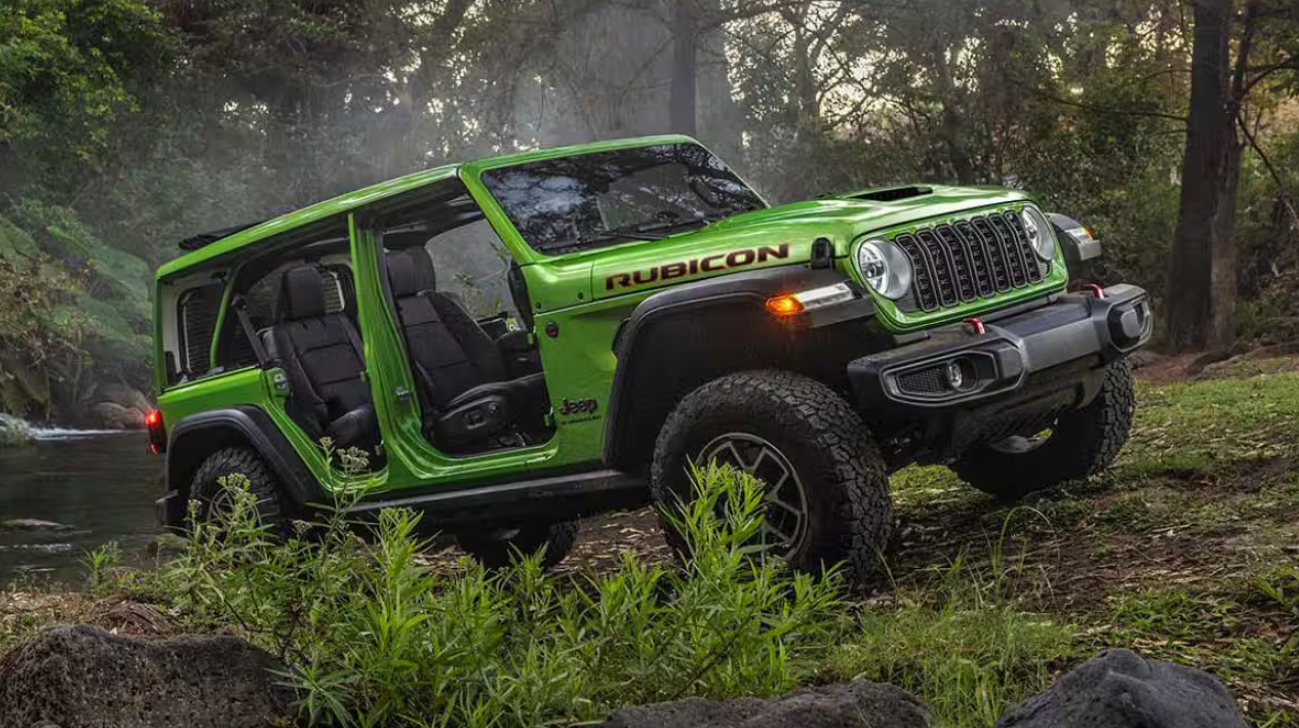
White 2026 Jeep Wrangler Rubicon

Comparing 2026 Jeep Wrangler Trims (Sport, Sahara, Rubicon)

The Jeep Wrangler has been around long enough to become a genuine cultural fixture. It draws a crowd wherever it parks, and the 2026 Wrangler is no exception. If you're seriously considering one, figuring out which trim actually fits how you live and drive matters more than anything else. The Sport, Sahara, and Rubicon each have a distinct personality, and knowing the difference before you sign anything can save you real money and real regret. more Why the 2026 Jeep Wrangler Still Turns Heads in the Hudson Valley The Hudson Valley is genuinely good Wrangler country. Between the Catskill foothills, the rocky forest roads in Harriman State Park, and the winding back routes connecting small towns throughout Westchester County, this region rewards drivers who want capability without sacrificing personality. The Wrangler fits that environment naturally. What makes the 2026 model especially compelling right now is how well it balances modern features with its classic identity. The removable doors, fold-down windshield, and open-air freedom that defined early Wranglers are still there. Layered over that foundation are updated technology and refined powertrains that make the vehicle genuinely comfortable for the kind of mixed-use driving most Hudson Valley residents actually do, whether that's a morning highway commute or a Saturday on a forest trail. 2026 Jeep Wrangler Trims at a Glance: Sport, Sahara, and Rubicon The 2026 Wrangler lineup spans a wider range of trims, including options like the Willys and the high-performance Rubicon 392, but three trims anchor the lineup and account for most of what buyers actually shop. The Sport is the starting point, stripped of excess and priced to welcome first-time buyers. The Sahara sits in the middle, adding comfort and convenience features that make it well-suited for daily use. The Rubicon sits at the top of the off-road spectrum, loaded with hardware that most paved-road drivers will never fully use but trail enthusiasts deeply appreciate. Each trim has a distinct purpose, and the right choice depends heavily on how you actually plan to drive. Price is part of that difference, but so are priorities and how you'll spend most of your time behind the wheel. 2026 Jeep Wrangler Sport: Built for Those Who Want the Icon Without the Extras The Sport is what the Wrangler looks like when you remove the noise and focus on the essentials. It's the base trim, and it earns that label without apology. What Comes Standard and Who It Suits Best The Sport delivers the foundational Wrangler experience: body-on-frame construction, solid axles, and skid plates, along with the go-anywhere attitude that made this vehicle legendary. Powered by a 3.6L V6 producing 285 horsepower, it comes with a capable 4x4 system, manual or automatic transmission options, and enough standard tech to keep you connected without turning the cabin into a cockpit. For first-time Wrangler buyers, the Sport is an honest starting point. It doesn't try to oversell itself, and the price reflects that straightforwardness. Younger buyers, budget-conscious shoppers, and anyone who sees the Wrangler as a platform to build on over time rather than a finished product will find it fits well. Customization Potential for Hudson Valley Drivers One of the Sport's quiet strengths is how well it accepts modification. Because it arrives relatively light on factory add-ons, it gives owners a blank canvas. Hudson Valley drivers looking to add a lift kit, custom lighting, a roof rack for kayak season, or a winch for winter recovery all start from a cleaner baseline with the Sport than with higher trims that come pre-loaded. The Mopar parts and accessories catalog available through dealers like Bill Volz's Westchester CDJR makes this even more accessible. Genuine factory-compatible parts mean you can personalize without voiding warranties or compromising the Wrangler's engineering. If you're ready to explore what's available, you can browse our 2026 Jeep Wrangler inventory to see current Sport configurations in stock. 2026 Jeep Wrangler Sahara: Comfort and Character for Everyday Adventures The Sahara is where the Wrangler becomes a vehicle you'd genuinely want to drive every day. It adds comfort, style, and technology without abandoning the Wrangler's core character. Open-Air Features and On-Road Refinements The Sahara builds on the Sport's foundation with upgrades you feel immediately. The interior materials step up noticeably, with better upholstery and more refined trim details. You get improved audio, upgraded tech features including a more advanced digital display, and a more polished dashboard. On the road, the Sahara rides with more composure, which becomes relevant once you're spending real time on highway stretches rather than backroads. The open-air experience, one of the Wrangler's signature features, is also more refined here. The soft top and hardtop options integrate more smoothly, making the transition between enclosed and open-air driving feel less like a project. For drivers who want to drop the top on a fall afternoon through Harriman or pull the doors off for a summer weekend, the Sahara makes that feel effortless. Where the Sahara Finds Its Sweet Spot The Sahara captures a wide range of buyers because it doesn't demand a strong commitment to any single use case. Families appreciate the interior comfort on longer drives, commuters value the on-road refinements, and weekend adventurers get meaningful 4x4 capability when the paved road ends. In the Sport vs. Sahara debate, the choice often comes down to how much you value daily comfort versus how much you enjoy starting from scratch with customization. The Sahara gives you more right out of the box, and for many Hudson Valley buyers, that convenience is worth the additional investment. 2026 Jeep Wrangler Rubicon: Ready for Every Trail the Hudson Valley Can Throw at You The Rubicon is what happens when Jeep engineers are given permission to prioritize off-road performance above nearly everything else. It's impressive, and it's unapologetically focused. Off-Road Hardware That Sets It Apart The Rubicon's off-road capability comes from purpose-built hardware, not marketing. Electronic locking front and rear differentials provide traction on surfaces that would strand most vehicles. The Dana 44 axles are stronger and more durable than what you find on lower trims. Heavy-duty rock rails protect the body during technical trail driving, and the electronic sway bar disconnect dramatically increases axle articulation on uneven terrain. Add in the aggressive all-terrain tires, upgraded suspension tuning, and reinforced skid plates, and you have a vehicle that handles rocks, mud, and the kind of ruts that would leave a lesser truck sideways without much drama. This hardware package comes at a clear cost, and it shows up directly in the Rubicon's price. Is the Rubicon Overkill for Everyday Driving If your daily route consists of the Taconic State Parkway, Route 9, and the occasional grocery run, the Rubicon's trail-focused suspension and aggressive tires will feel like wearing hiking boots to a dinner party. That's worth acknowledging honestly. The Rubicon isn't uncomfortable on pavement, though. Its on-road manners have improved with each generation, and many owners drive them daily without major complaints. The more relevant consideration is whether you'll actually use what you're paying for. If you trail ride regularly, explore forest roads in the Catskills, or want maximum off-road confidence for a serious overland trip, every feature on the Rubicon earns its place. If your off-road moments are rare and casual, the Sahara likely serves you better. Choosing Your 2026 Wrangler Trim: A Practical Guide for Hudson Valley Lifestyles Understanding the trim levels in theory is one thing. Matching them to your actual daily reality is more useful. The Wrangler lineup is designed around distinct driver profiles, and knowing which one fits you makes the comparison much more actionable. On-Road Commuter or Weekend Cruiser If your primary use is getting to work, running errands, and occasionally taking weekend road trips, the Sport or Sahara deserves your closest attention. The Sport keeps costs manageable and still delivers the Wrangler personality. The Sahara adds enough daily comfort to make the vehicle feel like a genuine pleasure to drive. Both handle the mixed terrain of the Hudson Valley well, and neither demands that you justify your purchase with regular off-road adventure. The Off-Road Enthusiast and Trail-Seeker For drivers who know their way around a trail map and spend real time on unpaved surfaces, the Rubicon is the honest answer. The differences between it and the lower trims aren't cosmetic; they're structural. The locking differentials and sway bar disconnect, combined with reinforced axles, create a capability gap that aftermarket upgrades on the Sport or Sahara won't fully close. If trails are a regular part of your life, buying the Rubicon upfront makes more sense than building toward it later. The Buyer Who Wants a Little of Everything Many Hudson Valley buyers fall somewhere in between, wanting daily drivability but not wanting to feel limited when adventure calls. The Sahara is purpose-built for exactly this person. It offers a noticeably upgraded interior and solid technology features, all wrapped in the Wrangler's unmistakable design. You give up some of the Rubicon's extreme off-road hardware, but you gain genuine everyday comfort without losing the open-air freedom and rugged personality that drew you to the 2026 Wrangler in the first place. Find Your 2026 Jeep Wrangler at Bill Volz's Westchester CDJR Reading about the trim levels is a good foundation, but sitting inside each one and talking through your specific needs with someone who actually knows the lineup is a different experience. Bill Volz's Westchester CDJR, located at 2293 Crompond Rd in Cortlandt, NY, carries the full 2026 Wrangler lineup and gives you the chance to see the Sport, Sahara, and Rubicon in person. The team here brings genuine knowledge of these vehicles and a no-pressure approach to the buying process, which matters when you're making a decision this size. You can talk through trim comparison details, work through financing options, or schedule a test drive on local roads that actually reflect how you'll use the vehicle. Ready to get started? You can browse our 2026 Jeep Wrangler inventory online before you visit, or explore our new Jeep vehicles if you want to see everything we currently have available. Factory-trained technicians on site mean your Wrangler gets proper care long after the purchase, which is exactly what you want from a vehicle built to last.

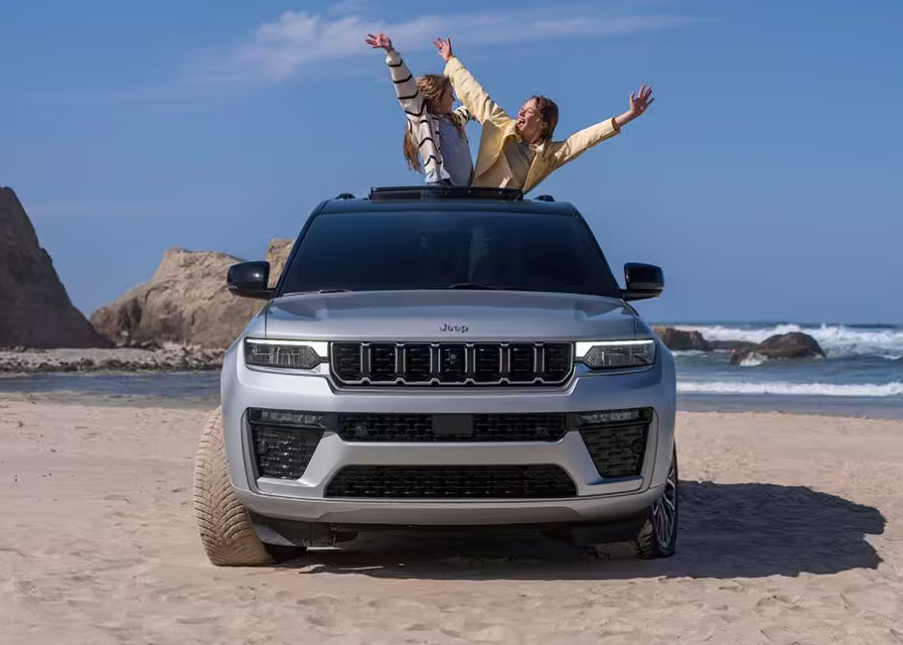
Gray 2026 Jeep Grand Cherokee facing front

2026 Jeep Grand Cherokee Trim Guide

Picking the right SUV trim can feel overwhelming, especially when a lineup has this much range. The 2026 Grand Cherokee runs from a well-equipped base model all the way up to a fully loaded luxury flagship, and each step in between is designed to meet real-world needs. Whether you're doing school drop-offs in Cortlandt, hitting trails in the Hudson Valley, or making regular runs up to the Catskills, there's a trim built for that. Before you commit, it's worth knowing exactly what each one gets you and where the meaningful differences lie. Browse our current 2026 Grand Cherokee inventory to see what's available while you read. more What Makes the 2026 Jeep Grand Cherokee Worth a Closer Look The 2026 Grand Cherokee continues Jeep's tradition of blending trail-tested capability with the interior comfort and technology you'd expect from a premium vehicle. Every trim in the six-trim lineup comes standard with a 12.3-inch Uconnect 5 NAV touchscreen, Apple CarPlay, and Android Auto, so even entry-level buyers aren't starting from scratch. A Hands-Free Active Driving Assist System is available across the lineup as well. Engine choices give buyers real flexibility, and the Hurricane turbo engine broadens the appeal as you move up the range. Safety technology is well-represented at every level, and the interior is spacious and thoughtfully laid out, with room to upgrade depending on how much you're willing to spend. That's exactly why it's worth taking the time to understand the 2026 Jeep Grand Cherokee trim structure before you buy. Breaking Down Every 2026 Jeep Grand Cherokee Trim Level The Grand Cherokee lineup is structured so that each step up adds meaningful features rather than superficial extras. Understanding the progression helps you figure out where your budget and priorities intersect. Laredo: The Smart Starting Point The Laredo is where the 2026 Grand Cherokee begins, and it's a stronger starting point than most entry trims tend to be. It comes equipped with the standard 12.3-inch Uconnect 5 NAV touchscreen, Apple CarPlay and Android Auto, and a capable foundation for daily commuting and errands. There's nothing bare-bones about it. For drivers who want reliable daily transportation without overspending, the Laredo delivers exactly that. Laredo X: More Comfort, Same Solid Foundation The Laredo X takes everything the base Laredo does well and layers in daily-use comfort. Buyers gain heated front seats, a heated steering wheel, a power liftgate, a sunroof, and a wireless charging pad. This trim makes sense for buyers who want something a step above the standard without climbing too far up the range. It's a practical choice dressed up just enough to feel special on the weekend. Laredo Altitude: Dark Accents and Added Capability If visual presence and expanded capability matter to you, the Laredo Altitude delivers on both. It adds the Hurricane turbo engine, Selec-Terrain 4x4, and driver-assist features including Traffic Sign Recognition and Intersection Collision Assist. Darker exterior styling gives it a more aggressive, purposeful look. Style and substance actually work together here, which isn't always the case at this price point. Limited: The Sweet Spot for Families and Daily Commuters The Limited builds on the Laredo's content with a meaningful jump in refinement. Leatherette upholstery, heated second-row seating, a nine-speaker Alpine premium audio system, and ambient interior lighting come together in an SUV that genuinely works for family life. Whether it's morning commutes on the Taconic or loading up for a weekend away, the Limited handles both with a comfort level that makes every mile feel less like a chore. The Grand Cherokee lineup previously offered a 4xe plug-in hybrid powertrain, but that option has been discontinued for 2026. Limited Reserve: Elevated Comfort for the Long Haul The Limited Reserve is where long-distance travel gets a serious upgrade. Over the Limited, buyers gain 20-inch black wheels, body-color lower fascias, Nappa leather seats, ventilated front seats, a dual-pane sunroof, darkened exterior accents, a digital rearview mirror, and an integrated off-road camera. It's designed for drivers who spend meaningful time in their vehicle and don't want to feel like they're making compromises. If you frequently take extended drives through Westchester or up through the Hudson Valley, the added comfort features here make a real difference. Summit: Refined Luxury Meets Everyday Versatility The Summit is where the 2026 Grand Cherokee fully shifts into luxury SUV territory. Oak and Liquid Chrome interior accents, Palermo leather seats, a suede headliner, driver and passenger massaging seats, Quadra-Drive II 4x4 with air suspension, and a 19-speaker McIntosh audio system make this a genuinely premium product. The Summit delivers top-tier luxury while maintaining the Grand Cherokee's go-anywhere capability. What keeps the Grand Cherokee grounded even at this level is its inherent versatility. It doesn't ask you to choose between looking sharp on a Monday morning and being ready for a trail on Saturday, and that's a rare quality at this price point. A Side-by-Side Look at Key Features Across the Lineup When you lay the 2026 Jeep Grand Cherokee trims out side by side, the progression becomes clear and logical. Trim Best For Overall Feel Notable Features Laredo Everyday commuting Capable, no-frills 12.3" Uconnect 5 NAV, Apple CarPlay/Android Auto Laredo X Comfort-focused daily use Practical, refined Heated seats, heated wheel, sunroof, wireless charging Laredo Altitude Commuters who want capability Sporty, tech-forward Hurricane turbo engine, Selec-Terrain 4x4, driver-assist features Limited Families, road trips Balanced luxury Alpine audio, leatherette, heated rear seats, Hurricane turbo engine Limited Reserve Long-distance drivers Premium comfort Nappa leather, ventilated seats, dual-pane sunroof, off-road camera Summit Luxury seekers Full flagship Palermo leather, McIntosh audio, massaging seats, Quadra-Drive II 4x4, air suspension Knowing where each trim sits on the capability and comfort spectrum is the most efficient way to narrow down which 2026 Grand Cherokee configuration actually fits your life. How the Grand Cherokee Trims Fit Life in Westchester County and the Hudson Valley Living in Westchester County means your vehicle needs to handle a wide range of scenarios. You might be stuck in congestion around Cortlandt or White Plains one morning and then heading up toward the Catskills that same afternoon, sometimes with a full load of gear. Commuters and Budget-Conscious Buyers The Laredo, Laredo X, and Laredo Altitude are natural fits for daily commuters. The Laredo covers the fundamentals well, the Laredo X adds heated seats and a sunroof for those cold Hudson Valley mornings, and the Laredo Altitude brings the Hurricane turbo engine and Selec-Terrain 4x4 for anyone who wants extra confidence on slick or uneven roads in the winter months. Families and Weekend Travelers The Limited and Limited Reserve are built for family life. Heated second-row seating, premium audio, and expanded safety features reduce fatigue on familiar roads and make longer trips more enjoyable. The Limited's Hurricane turbo engine and available 4x4 capability make it a well-rounded option for families who want performance and SUV capability for daily school and errand runs. Premium Buyers and Highway Cruisers The Summit is the right choice for drivers who want an SUV that reflects a premium lifestyle without sacrificing go-anywhere capability. Long highway stretches up the Hudson Valley feel genuinely different with massaging seats, a McIntosh audio system, and air suspension absorbing the miles. Across the lineup, the Grand Cherokee's standard all-weather capability makes it a sensible year-round choice in Westchester, where snow, slush, and rain are reliable seasonal visitors. Which 2026 Grand Cherokee Trim Matches Your Lifestyle? Choosing between Grand Cherokee trims comes down to an honest conversation about how you actually use your vehicle. Here's how each one tends to fit a specific type of buyer: The Laredo suits drivers who want reliable daily transportation without paying for features they'll rarely use. The Laredo X is a natural fit for the daily driver who wants heated seats, a sunroof, and wireless charging without a significant price jump. If you want the Hurricane turbo engine, Selec-Terrain 4x4, and a sportier look, the Laredo Altitude is the one to consider. The Limited works well for family-focused buyers who want premium audio, leatherette, heated rear seats, and the Hurricane turbo engine. Drivers who spend serious time on the road and want ventilated Nappa leather seats and a dual-pane sunroof will find the Limited Reserve worth the step up. And the Summit is for buyers who want the full flagship package: massaging seats, McIntosh audio, Quadra-Drive II 4x4, and height-adjustable air suspension. It's also worth reaching out about ordering timelines sooner rather than later, particularly for popular configurations that tend to move quickly. Find Your 2026 Jeep Grand Cherokee at Bill Volz's Westchester CDJR Bill Volz's Westchester CDJR carries the full range of 2026 Jeep Grand Cherokee trims, giving you the opportunity to compare models in person rather than guessing from a screen. Located at 2293 Crompond Rd in Cortlandt, NY, we've been serving Westchester County and the surrounding Hudson Valley communities with a straightforward, family-oriented buying experience. Our team knows the Grand Cherokee lineup well and can walk you through the differences between trim levels in plain terms, helping you match features to your actual needs. Test drives are available across our inventory, and our finance department works to find competitive rates and flexible payment plans. Factory-trained technicians in our service department also mean your Grand Cherokee will receive proper care long after you drive it off the lot. When you're ready to take the next step, explore our new Jeep vehicles in Cortlandt or go straight to our Grand Cherokee listings to see which trims are currently in stock. Contact us with any questions and we'll be glad to help.

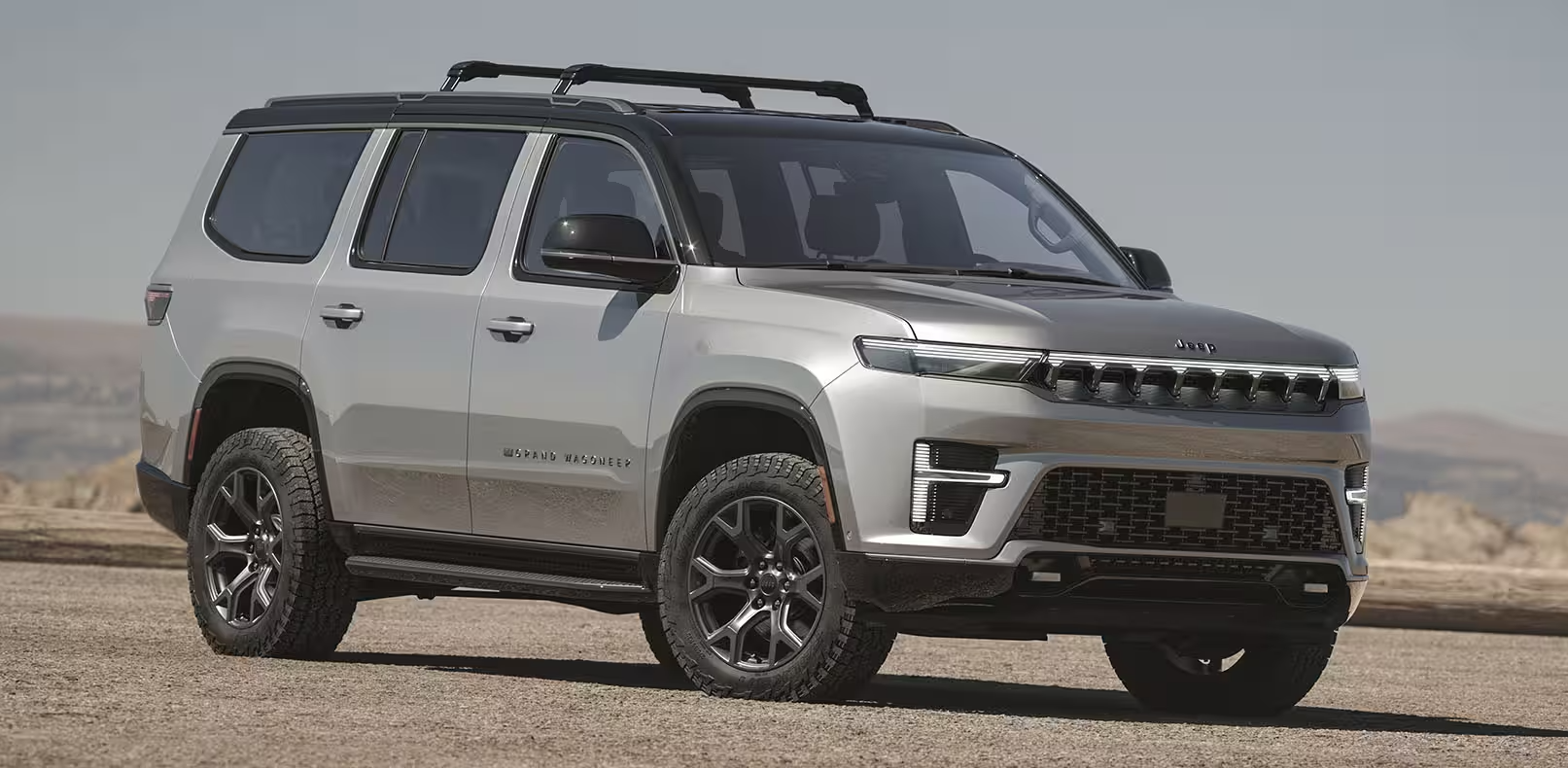
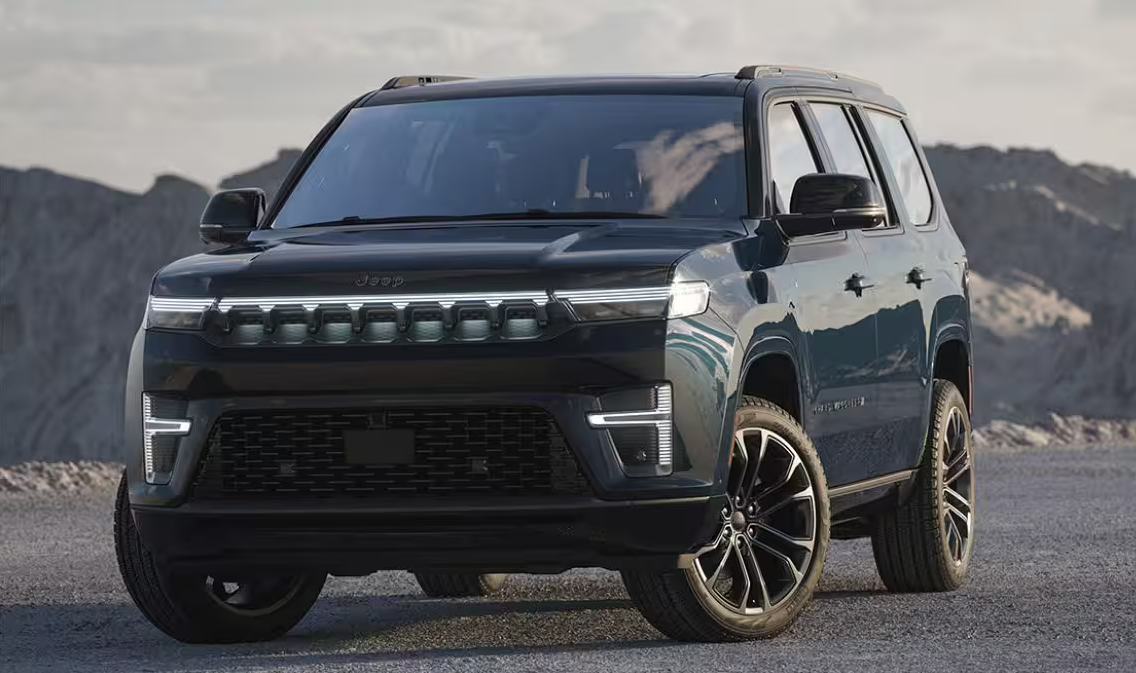
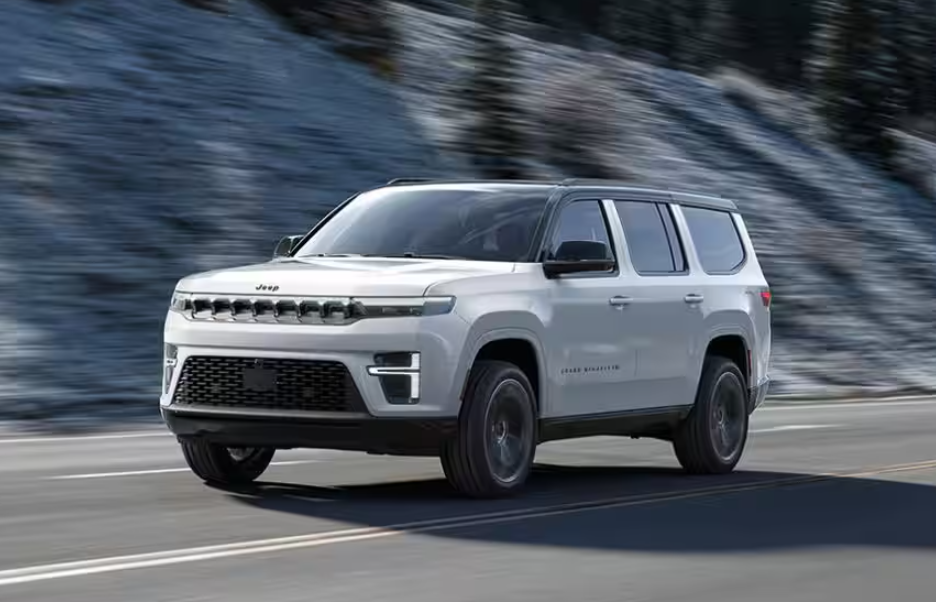
Gray 2026 Jeep Grand Wagoneer

2026 Jeep Grand Wagoneer vs. 2026 Cadillac Escalade: Luxury SUV Faceoff

Picking between the 2026 Jeep Grand Wagoneer and the 2026 Cadillac Escalade isn't just a matter of choosing a luxury SUV. It's really about knowing what kind of driver you are and what you need this vehicle to actually do. Both are full-size, three-row flagships sitting at the top of the market, but they arrived there from completely different directions. The Grand Wagoneer is built around versatility and rugged confidence, without sacrificing an ounce of refinement. The Escalade is rooted in heritage, prestige, and that signature opulent polish Cadillac has delivered for decades. We put them side by side so you can make a genuinely informed call. If you're ready to browse the new Jeep Grand Wagoneer inventory at our Cortlandt Manor dealership, we're here to help you find your fit. Both vehicles are engineered for families, executives, and anyone who expects premium treatment on every drive. But how each one delivers that experience says a lot about its priorities. This comparison works through performance, interior quality, technology, cargo space, and value so you can decide with real confidence. more Pricing and Value: Where Your Money Goes in Each Model Pricing matters here, maybe more than people expect. The Grand Wagoneer has been strategically repositioned to offer stronger value across its trim lineup, giving buyers more capability and standard features at a competitive price point. When you break down what each dollar actually buys in terms of real-world utility and included equipment, the Grand Wagoneer makes a genuinely compelling case. The Escalade carries a premium that reflects brand legacy and its long-standing reputation as a status symbol. That heritage is real, and for buyers who care about the image their vehicle projects, it carries weight. But buyers focused on maximizing capability, practicality, and feature content relative to cost will find the Grand Wagoneer harder to dismiss. Performance That Commands Attention These two vehicles take noticeably different approaches to performance. Both deliver confident, highway-ready power, but their engineering priorities diverge in ways that matter depending on how you drive and what you haul. Hurricane Twin-Turbo vs. Cadillac's V8: Power, Towing, and Efficiency The Grand Wagoneer's 3.0L Hurricane Twin-Turbo inline-six puts out 420 horsepower at 5,200 rpm and 468 lb-ft of torque at 3,500 rpm. That combination supports a maximum tow rating of 10,000 lbs, making it a legitimate workhorse for anyone pulling boats, trailers, or campers. The twin-turbo setup delivers responsive acceleration that feels more dynamic than a traditional V8. The Escalade runs a 6.2L V8 producing 420 horsepower at 5,600 rpm and 460 lb-ft of torque at 4,100 rpm, with a maximum tow rating of 8,000 lbs. Smooth and capable, no question. Where the Grand Wagoneer pulls clearly ahead is fuel efficiency: 17 city / 24 highway / 19 combined mpg versus the Escalade's 14 city / 18 highway / 16 combined mpg. That works out to roughly 636 miles of highway range on a 26.5-gallon tank, compared to about 432 miles on the Escalade's 24-gallon tank. For anyone doing a serious powertrain comparison with real-world driving in mind, those numbers speak for themselves. Off-Road Capability and All-Terrain Confidence This is where the gap becomes especially clear. Jeep built off-road capability into the Grand Wagoneer from the ground up. It offers available Quadra-Drive II 4x4 and available Quadra-Lift air suspension delivering up to 10 inches of ground clearance, and selectable terrain modes that adapt the drivetrain to specific surface conditions. Muddy back roads, loose gravel, uneven trails across the Hudson Valley, the Grand Wagoneer handles all of it. The Escalade is engineered for smooth urban streets and open highways. It handles bad weather well and offers capable all-wheel-drive performance, but off-road ruggedness was never part of its design brief. Buyers planning weekend getaways beyond paved roads will find the Grand Wagoneer far better equipped. Interior Craftsmanship and Cabin Comfort Step inside either vehicle and you'll immediately understand why both belong in the luxury category. High-quality materials, thoughtful layouts, and genuinely comfortable seating define both cabins. The differences come down to philosophy, not quality. Dashboard Design, Materials, and Three-Row Passenger Experience The Grand Wagoneer's up to 75 inches of total touchscreen display space is one of the most striking in class. The layout prioritizes usability across all three rows, and seating accommodates up to 8 passengers with available 24-way power front seats. Third-row passengers aren't treated as an afterthought, which matters enormously to larger families who actually use all seven or eight seats on a regular basis. The Escalade's cabin leans into traditional luxury with a 55-inch diagonal curved LED display as the centerpiece. Plush seating, rich finishes, and a sense of occasion that's genuinely hard to match. For buyers who want their interior to feel like a premium lounge, the Escalade delivers that consistently. Cargo Versatility and Everyday Practicality The Grand Wagoneer offers more usable space behind the third row than the Escalade. Families feel that difference on every grocery run, school trip, and road vacation. Its flexible storage design handles larger items without forcing you to fold seats and lose passenger capacity. The Escalade is spacious by most standards, but cargo volume behind the third row doesn't match what the Grand Wagoneer provides. If everyday practicality is a real priority, the Grand Wagoneer holds a clear edge. Technology and Infotainment: The Digital Experience Inside Each Cabin Both vehicles pack serious technology into their cabins, but their approaches to the in-cabin digital experience are distinct. Screens, Connectivity, and Driver Assistance Features The Grand Wagoneer runs Uconnect 5, with wireless Apple CarPlay and Android Auto, a driver display, and a 10.25-inch front passenger screen. Rear-seat entertainment keeps back-row passengers independently occupied on long drives. The system also includes a 360-degree camera, night vision, and a solid suite of standard driver assistance features, which means the package feels thoroughly considered rather than pieced together through option boxes. The Escalade centers its tech around that large curved OLED display. Visually striking, and it creates a genuinely modern, unified interface. Cadillac's Super Cruise, a hands-free highway driving system available on higher trims, is impressive for long-distance freeway commuters. HD surround vision rounds out the premium tech offering. Both vehicles include automatic emergency braking and pedestrian detection as standard. Where the Grand Wagoneer differentiates itself is how much of its advanced technology comes included at lower trim levels rather than locked behind an upgrade. To experience both systems in person, book a test drive or explore financing with our team before you commit. Grand Wagoneer vs. Escalade: Side-by-Side Specs at a Glance Spec 2026 Jeep Grand Wagoneer 2026 Cadillac Escalade Engine / Powertrain 3.0L I6 Hurricane Twin-Turbo 6.2L V8 Horsepower & Torque 420 hp / 468 lb-ft 420 hp / 460 lb-ft Max Towing 10,000 lbs 8,000 lbs Fuel Economy (City/Hwy/Combined) 17/24/19 mpg 14/18/16 mpg Dashboard Screen Up to 75 inches of total touchscreen display space 55-inch diagonal curved LED Drivetrain Options RWD / AWD / 4x4 RWD / AWD Which Luxury SUV Fits Your Lifestyle? The Honest Verdict Both are excellent vehicles. The real question is which one matches your actual life, not just your aspirations. Choose the 2026 Cadillac Escalade If... The Escalade makes the most sense if brand prestige matters to you and the bulk of your driving happens in urban or suburban settings. It excels at smooth highway cruising, Super Cruise is a legitimately useful feature for long freeway commutes, and if you want a cabin that feels like a high-end retreat wrapped in a stunning package, the Escalade delivers that consistently. Choose the 2026 Jeep Grand Wagoneer If... The Grand Wagoneer is the stronger fit if you need your luxury SUV to work as hard as it looks. Families across Westchester who want genuine three-row practicality, a 10,000-lb tow rating, real off-road readiness for terrain beyond the parkway, and strong cargo versatility will find it better aligned with daily demands. It doesn't ask you to choose between adventure and refinement. Put both vehicles side by side with a practical lens, and the Grand Wagoneer is the more capable choice for buyers who want more from their SUV without giving up comfort or quality. Experience the 2026 Grand Wagoneer Near Cortlandt at Bill Volz's Westchester CDJR If the Grand Wagoneer has your attention, the best next step is getting behind the wheel. Bill Volz's Westchester CDJR is located in Cortlandt Manor, NY, and serves drivers throughout Westchester County and the broader Hudson Valley. We carry new Jeep vehicles at our Cortlandt location and offer a straightforward, pressure-free buying experience. Whether you're ready to purchase, want to talk through financing, or just want to put the Grand Wagoneer through its paces, reach out to our team and we'll get you set up. Sometimes the best comparison happens from the driver's seat.

2026 Jeep Grand Wagoneer

Why the 2026 Jeep Grand Wagoneer Is Setting New Standards for Luxury SUVs

The full-size luxury SUV segment has never been more competitive, and Jeep just made a serious case for why the Grand Wagoneer belongs at the top of that conversation. The 2026 facelift doesn't just freshen up the styling; it rethinks what a three-row luxury SUV can actually deliver in terms of design, power, and technology. If you're in the market for something that pairs genuine capability with premium refinement, take a look at the 2026 Jeep Grand Wagoneer models at our Cortlandt Manor dealership and see what's available. For families, road-trippers, or anyone who wants real capability wrapped in something genuinely refined, this one is worth a close look. more What Makes the 2026 Jeep Grand Wagoneer Facelift Worth Paying Attention To Mid-cycle facelifts have a reputation for being cosmetic updates dressed up as major news. This isn't that. The 2026 Grand Wagoneer facelift addresses real areas of improvement, from the exterior design language to the powertrain lineup, giving the vehicle a noticeably more modern and premium character throughout. What sets this update apart is how deliberately it balances two things that rarely coexist without friction: rugged Jeep heritage and upscale refinement. The Grand Wagoneer has always aimed at the upper end of the market, competing with names like the Cadillac Escalade and Lincoln Navigator. With these changes, Jeep isn't just keeping pace. It's carving out its own standard. Buyers increasingly expect electrification options alongside traditional powertrains, and Jeep is delivering both. The result is a vehicle that feels genuinely forward-looking without abandoning what made it appealing in the first place. A Bolder, More Refined Exterior: What Actually Changed The 2026 redesign takes a clean, confident approach. Up front, Jeep engineers redesigned the fascia with a taller, squared-off shape and raised headlamps, creating a more commanding presence without erasing the iconic Jeep profile. These aren't subtle tweaks that only enthusiasts will catch. The changes are visible, intentional, and improve how the vehicle carries itself on the road. Illuminated Grille, Full-Width LED Lighting, and a Chrome-Free Finish One of the most striking elements is the illuminated seven-slot grille, paired with full-width LED lighting across the front end to create a recognizable nighttime signature. After dark, that combination makes the Grand Wagoneer immediately identifiable. Visibility improves, and the vehicle holds its own visually against anything else in this class. Just as significant is the move away from chrome. Metallic accents have taken its place, and the effect is more sophisticated, more in line with where premium design is heading. Chrome has been feeling increasingly dated in this segment, and the updated finish gives the Grand Wagoneer a cleaner look that suits every trim level. New Wheel Options and Updated Body Styling Wheel sizes go up to 22 inches depending on trim, with options like 20-inch alloys on the Limited Altitude. Revised body styling completes the exterior refresh, contributing to improved aerodynamics that matter whether you're on the highway or navigating Westchester County roads on a weekday morning. Available colors extend personalization further across both refined and adventure-ready configurations. Power You Can Feel: The New Standard Powertrain Explained Under the hood, the 2026 Grand Wagoneer replaces the outgoing V8 with a next-generation inline-six. It reflects broader industry trends, but more importantly, it delivers real-world improvements that drivers will actually notice. The 3.0L Twin-Turbo Inline-Six The standard powertrain is a 3.0L twin-turbocharged Hurricane inline-six producing 420 horsepower and 468 lb-ft of torque, paired with an eight-speed automatic transmission. Merging onto a highway, making a confident pass on a two-lane road, pulling a boat to the lake, it all feels composed and unhurried. Towing capacity reaches up to 10,000 lbs, which is best-in-class among full-size luxury SUVs. For buyers who want added capability on varied terrain, the Grand Wagoneer comes equipped with available Quadra-Drive II 4x4 and Quadra-Lift air suspension, raising ground clearance to 10 inches. Those systems mean the vehicle is genuinely prepared for conditions beyond smooth pavement. The REEV Powertrain: Electrification Is Coming to the Grand Wagoneer Lineup Beyond the standard engine, Jeep has confirmed that a range-extended electric vehicle (REEV) powertrain is joining the Grand Wagoneer lineup later in the 2026 model year. The term REEV is worth explaining, because it works differently from what most people picture when they hear "hybrid." A conventional hybrid uses a smaller electric motor to assist a gasoline engine, typically for fuel economy gains at lower speeds. A REEV flips that relationship: the electric drivetrain handles the primary work of moving the vehicle, while an onboard 3.6L V6 engine acts as a generator to recharge the battery when needed. The result is an estimated 647 horsepower, 620 lb-ft of torque, a 0-60 mph time of roughly 5 seconds, and a total range of more than 500 miles supported by a 92 kWh battery. For a Westchester driver who commutes locally during the week and takes longer trips on weekends, that setup is particularly well-suited. You get the efficiency of electric driving close to home, without any concern about range on a run up toward the Catskills or into Connecticut. It's a practical solution for a full-size SUV, where battery demands are considerably higher than in a compact crossover. Availability of the REEV variant is expected later in the model year. We recommend contacting us directly to confirm timing and availability. 2026 Grand Wagoneer Specs at a Glance Powertrain Horsepower / Torque Towing Capacity Notable Feature 3.0L Twin-Turbo Hurricane I-6 420 hp / 468 lb-ft 10,000 lbs Quadra-Drive II, Quadra-Lift air suspension REEV (arriving later in model year) ~647 hp / 620 lb-ft To be confirmed 92 kWh battery, ~500-mile total range Inside the 2026 Grand Wagoneer: Where Luxury and Livability Meet Step inside and the Grand Wagoneer makes its intentions clear. Premium materials cover surfaces throughout the cabin, and the design feels deliberate rather than decorative. The Uconnect 5 infotainment system anchors the experience with large screens, intuitive menus, and seamless connectivity. Passenger experience gets equal attention: heated second-row seats, navigation, premium audio, multiple charging ports, and optional Wi-Fi all come with the package. Seating accommodates up to eight passengers, and the second and third rows are genuine spaces for adults on extended trips. A comprehensive suite of standard safety features is included, covering active driving assist, automatic emergency braking, blind spot monitoring, lane keeping assist, and more, and a 26.5-gallon fuel tank supports long-range travel without frequent stops. At 216.1 inches in overall length for the standard model and 228.1 inches for the Grand Wagoneer L, there's no compromise on interior space. Cargo flexibility rounds out the practical side, handling everything from a full family load to weekend gear without difficulty. How the 2026 Grand Wagoneer Compares to Other Full-Size Luxury SUVs The full-size luxury SUV segment includes strong competition. Here's how the Grand Wagoneer measures up on the factors that matter most to buyers in this class. Feature 2026 Grand Wagoneer Cadillac Escalade Lincoln Navigator Infiniti QX80 Standard Horsepower 420 hp (3.0L twin-turbo I-6) ~420 hp V8 Not confirmed 400 hp V6 Max Towing 10,000 lbs 8,100 lbs 8,700 lbs Not confirmed Powertrain Options REEV arriving later in model year Limited hybrid options Limited hybrid options Not confirmed Off-Road Hardware Quadra-Drive II, 10" clearance On-road focus On-road focus Not confirmed The towing gap is notable. At 10,000 lbs, the Grand Wagoneer outperforms both the Escalade and the Navigator by a meaningful margin. On the electrification front, the REEV powertrain puts the Grand Wagoneer ahead of competitors still working through their strategies for full-size SUVs. The combination of Quadra-Drive II and Quadra-Lift air suspension also means genuine off-road capability remains built in, not bolted on as an afterthought. Buyers who want to explore the full range of what's available can start by browsing new Jeep vehicles near Westchester. Is the 2026 Jeep Grand Wagoneer the Right Move for You? The honest answer depends on what you need, but the 2026 Grand Wagoneer covers a lot of ground. Regularly towing a boat, trailer, or recreational equipment? The 10,000-lb tow rating and available 4x4 systems make this a practical choice, not just an aspirational one. Need three-row space for a growing family without giving up a premium interior? Seating for up to eight, with adult-friendly second and third rows, delivers on that. Considering European alternatives? The combination of refinement, technology, and genuine off-road hardware here is difficult to match at any price point. The REEV powertrain, when it arrives, will also make the Grand Wagoneer a compelling option for buyers thinking about long-term fuel costs and electrification without fully committing to a battery-electric vehicle. For details on pricing and available configurations, schedule a test drive or reach out to us directly. Trim availability and current programs are best confirmed at the dealership, where we can walk you through what's in stock. Explore the 2026 Grand Wagoneer at Bill Volz's Westchester CDJR Why Visit Us Bill Volz's Westchester CDJR is located at 2293 Crompond Rd in Cortlandt Manor, serving buyers throughout Westchester County. We take a straightforward, no-pressure approach to helping customers find the right vehicle for their situation. Our factory-trained staff can walk you through trim differences, powertrain options, and available configurations based on how you actually plan to use the vehicle. Come See It in Person There's no substitute for sitting in it, driving it, and asking questions in real time. If the 2026 Grand Wagoneer is on your shortlist, we'd love to show you what it's about. Ready to Connect? Contact us today to ask about availability, pricing, and current inventory. We're here to help you make a confident, informed decision.

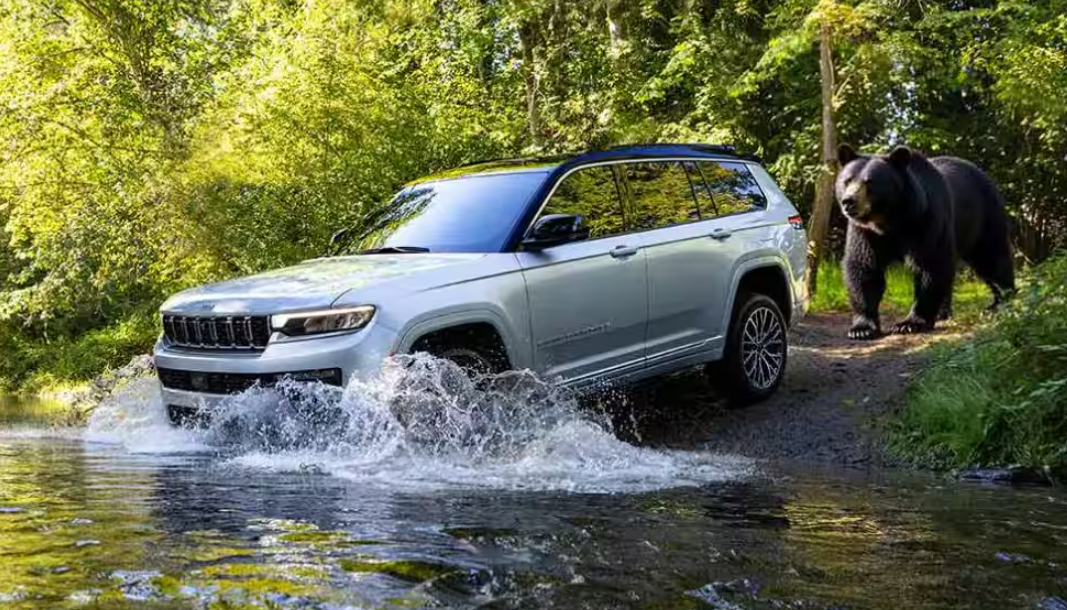
Silver 2026 Jeep Grand Cherokee driving through water

Top Features That Make the 2026 Jeep Grand Cherokee a Great SUV for New York Roads

The 2026 Jeep Grand Cherokee arrives with a mid-cycle refresh that sharpens everything drivers in this region already appreciate about the SUV. New York roads don't make things easy: congested highways, pothole-riddled pavement, icy back roads in January, weekend trips to the Catskills or Hudson Valley. You need a vehicle that can handle all of it without constantly compromising. If that sounds familiar, take a look at our 2026 Jeep Grand Cherokee inventory in Cortlandt, NY and see what this update actually brings. more The 2026 Jeep Grand Cherokee Gets a Meaningful Refresh — Here's What Changed This isn't a ground-up redesign. It's a targeted, well-considered update that takes what already worked and makes it better. The exterior gets bolder styling cues, the powertrain lineup adds a new engine option, and the interior tech sees real improvements without disrupting the familiar layout Grand Cherokee owners already know. Jeep built these changes around actual driver feedback, and the result is a more refined, more capable version of an already strong midsize SUV. A Sharper Look Without Starting From Scratch The 2026 Grand Cherokee gets a new front fascia with a squared-off front end, a thicker-bordered seven-slot grille, and redesigned LED headlamps with a more dramatic curved light signature that give it a more confident, modern stance. The lower fascia and bumper are also updated, and the overall look is cleaner and more assertive than what the outgoing model offered. New color options include Copper Shino, Steel Blue, and Fathom Blue, which gives buyers who want something a little different some solid choices. Base trims ride on 18-inch wheels, and the customization range across the lineup is genuinely useful. Each trim carries its own visual identity that carries naturally from the exterior into the cabin. Meet the New 2.0L Hurricane 4 Turbo Engine Option One of the biggest headline changes for 2026 is the addition of the 2.0L Hurricane 4 Turbo engine, which arrives with the Laredo Altitude package and is standard on every trim above it, including the Limited and Summit. The proven 3.6L Pentastar V6 remains in the base Laredo and Laredo X trims, giving buyers a straightforward powertrain choice based on how they want to configure the vehicle. The Hurricane 4 Turbo delivers its torque early in the throttle response rather than making you wait for high revs. That's a practical advantage in the kinds of conditions drivers deal with across Westchester County. Merging onto I-87, accelerating onto I-684, navigating the stop-and-go rhythm of Route 9 during a weekday commute: front-loaded torque means the SUV responds when you need it. The engine also supports better fuel efficiency on longer drives, which is worth something if the Taconic State Parkway is part of your weekly routine. If you want to feel how the Hurricane 4 Turbo actually performs, schedule a test drive at our Cortlandt Manor location and find out for yourself. 4x4 Capability and Ride Quality Made for New York Roads New York doesn't give you a single type of road surface, and the 2026 Grand Cherokee 4x4 system is built with that reality in mind. The all-wheel-drive setup adjusts to changing traction conditions automatically. Black ice on a back road in northern Westchester, loose gravel on a weekend trail, wet pavement on the Saw Mill River Parkway: all of it gets handled without any manual input required. Selec-Terrain traction management is available across the Grand Cherokee lineup, including the base Laredo, and provides dedicated modes for different driving conditions, which adds genuine versatility for buyers who use their SUV beyond the daily commute. The Laredo Altitude package and above make the full system standard equipment. The suspension tuning is well-matched to the surface imperfections that are just part of life in New York. Expansion joints, uneven pavement, pothole-prone stretches get absorbed cleanly without that floaty or disconnected feeling. On the highway it feels composed; on the weekends it feels capable. That balance is harder to achieve than it sounds. Driver-Assist and Safety Tech Worth Having in Stop-and-Go Traffic Commuting in Westchester means spending real time in dense traffic. The 2026 Grand Cherokee comes equipped with a solid suite of driver-assist features that reduce fatigue and build confidence in those conditions. Full-Speed Forward Collision Warning with pedestrian detection monitors the road ahead and alerts the driver when a potential collision is detected. Blind Spot Monitoring flags vehicles entering your blind zone during lane changes on fast-moving routes like I-87 or I-684. Rear Cross Path Detection adds awareness when backing out of tight spaces in crowded parking lots. Intersection Collision Assist provides an extra layer of protection at busy intersections. ParkSense with ParkView backup camera makes parallel parking on narrow Westchester streets significantly easier. Hands-Free Active Driving Assist is available on select trims and enables hands-free steering on compatible approved highways. Standard Active Driving Assist, which keeps hands on the wheel, is available more broadly and helps manage highway fatigue on longer drives. These features work together in ways that make a genuine difference on the routes our customers drive every day. Interior Comfort for Commuters, Families, and Weekend Travelers The Grand Cherokee's interior has always been one of its strongest selling points, and this refresh pushes it further. The cabin is premium without being overcomplicated, which is exactly the right call for a vehicle that needs to handle a school run and a four-hour drive to the Catskills equally well. Technology and Connectivity The available 12.3-inch Uconnect 5 touchscreen, which manages navigation, audio, climate, and vehicle settings in a clean, responsive interface, is standard from the Laredo Altitude package upward. The base Laredo and Laredo X trims include an 8.4-inch Uconnect 5 display with the same core software. Wireless Apple CarPlay and Android Auto come standard across all trims.Wireless Apple CarPlay and Android Auto come standard. The available Class-Exclusive Front Passenger Interactive Touchscreen Display gives the front passenger their own 10.25-inch QLED screen for media, navigation, and other controls without interfering with the driver's view. Multicolor ambient LED lighting lets drivers personalize the cabin atmosphere. Wireless charging keeps devices powered without dealing with extra cables. Heated second-row seats are standard on the Limited trim and above, which makes a real difference for passengers on cold Westchester mornings. Cargo Space and Everyday Practicality Behind the second row, the Grand Cherokee provides a generous cargo area that handles grocery runs, sports equipment, and weekend luggage without any creative packing required. Fold the rear seats and you get a flat, usable load floor for larger items. The 2026 model also adds a larger center console and additional USB-C ports for rear passengers. For families, that everyday practicality matters as much as any performance spec. Having space for two kids, gear, and luggage in one organized cabin isn't a given in the midsize SUV segment. The Grand Cherokee delivers it consistently. The FamCAM rear-facing camera, which lets drivers monitor backseat passengers, is available on three-row Grand Cherokee L models only. Two-row Grand Cherokee buyers should note this feature is not available on the standard wheelbase version. Why the 2026 Grand Cherokee Fits the Westchester Lifestyle The table below covers key available trims and highlights to help shoppers compare options at a glance. Trim Engine Options Drivetrain Key Highlights Laredo 3.6L Pentastar V6 4x2 standard Entry-level, 18-inch wheels, full safety tech suite, Selec-Terrain available Laredo Altitude 3.6L V6 or 2.0L Hurricane 4 Turbo 4x4 available Selec-Terrain first available here Limited 3.6L V6 or 2.0L Hurricane 4 Turbo 4x4 available Heated second-row seats, premium interior Summit 3.6L V6 or 2.0L Hurricane 4 Turbo 4x4 available Massaging front seats, Palermo leather, suede headliner, McIntosh 19-speaker audio, luxury focus Westchester County living asks a lot of a vehicle. Residents need something that handles the daily grind on the Saw Mill River Parkway and Route 9 while being capable enough to reach a trailhead or ski area without hesitation. The 2026 Grand Cherokee sits right in that overlap. It carries the look and feel of a refined SUV that works at a school pickup or a weekend dinner, but underneath it's built with the off-road engineering Jeep is known for. The trim range means there's a configuration for nearly every buyer, from the efficiency-focused Laredo to the feature-loaded Summit. That flexibility is a big part of why the Grand Cherokee has been a fixture in Westchester driveways for years. Daily commuters who want better driver-assist technology, families who need interior space and comfort, and people who head out of the county on weekends and want 4x4 confidence: this refresh addresses all three. You can also browse our new Jeep vehicles at our Cortlandt dealership if you'd like to compare models before narrowing things down. See the 2026 Jeep Grand Cherokee at Bill Volz's Westchester CDJR Visit Us in Cortlandt Manor The best next step is getting behind the wheel. We're located at 2293 Crompond Rd in Cortlandt Manor and carry new Grand Cherokee inventory across the full trim range. Our team takes a straightforward, pressure-free approach to the buying experience, so you can take your time comparing trims, reviewing options, and asking whatever questions matter to you. Our factory-trained staff can walk you through the differences between all the trims and help you figure out which powertrain and feature set actually fits how you drive. Local interest has been strong since the refresh was announced, so the earlier you visit, the better your selection will be. Get in Touch Financing options, trade-in valuations, and lease terms are all available on-site. If you'd like to start the conversation before coming in, call us at 914-996-6133 or reach out through our contact page and we'll help you move from browsing to driving.

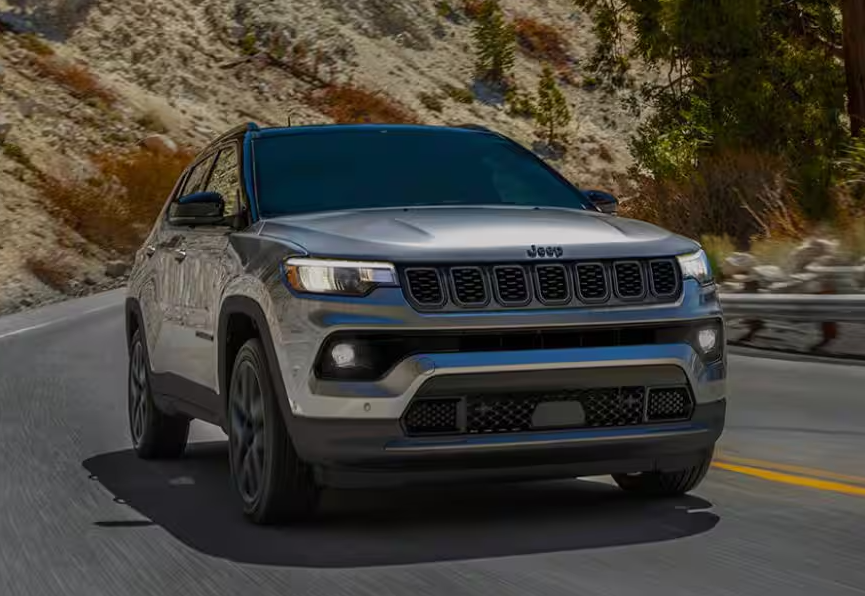
Gray 2026 Jeep Compass driving on road

2026 Jeep Compass Trailhawk vs. Limited: Off-Road Ready or Comfort First?

Choosing between the 2026 Jeep Compass Trailhawk and Limited isn't really about picking the "better" trim. It's about knowing yourself as a driver. Both share the same turbocharged engine and standard AWD, but they're built around completely different priorities. One pulls you toward the trail; the other keeps you comfortable on the commute. If you're weighing your options, take a look at our current 2026 Jeep Compass for sale in Cortlandt, NY to see what's available right now. more Two Compasses, Two Personalities: Understanding the Trailhawk vs. Limited Divide At their core, this comparison is really a conversation about lifestyle. The Trailhawk is engineered to go beyond the pavement, with hardware built for rough, unpredictable terrain. The Limited takes the opposite approach, delivering a refined cabin and tech-forward experience suited to everyday driving. Both trims start from the same capable foundation before the specialization kicks in, sharing that same turbocharged engine and standard AWD. Some buyers want a genuine off-road tool that still works well in town. Others want premium daily transportation with enough grip to handle bad weather. The 2026 Compass delivers both, just through two very distinct lenses. The 2026 Jeep Compass Trailhawk: Built for Adventure Beyond the Pavement The Trailhawk name carries real weight in Jeep's lineup. It's not a styling package or a badge that exists purely for aesthetics. The 2026 Compass Trailhawk earns its identity through purpose-built engineering. From the moment you spot the red tow hooks up front, you know this one means business. Off-Road Hardware: 4x4 System, Ground Clearance, and Skid Plates Jeep equipped the Trailhawk with the Jeep Active Drive Low system, featuring a 20:1 crawl ratio that goes well beyond standard AWD operation. Ground clearance of 8.6 inches gives you the vertical room to roll over rocks, logs, and rutted paths without scraping the undercarriage. Skid plates protect the front suspension, transmission, fuel tank, and transfer case from impact damage when things get rocky underneath you. These aren't minor additions. They represent the difference between a vehicle that can survive a dirt road and one that can actually navigate a trail. The Trailhawk is the only Trail Rated® variant in the current lineup, and that badge matters to anyone who uses their vehicle as a real adventure tool. Selec-Terrain® Traction Management, Hill Descent Control, and All-Terrain Tires The Trailhawk's Selec-Terrain system gives drivers genuine control over how the vehicle handles different surfaces. Auto, Snow, Sand, Mud, and Rock modes each adjust throttle response, transmission behavior, and traction distribution to match whatever terrain you're on. Hill Descent Control automatically governs vehicle speed on steep downhill sections, keeping your descent controlled without requiring constant brake input. That hands-off confidence genuinely helps when you're focused on picking a line through rough terrain. All-terrain tires on 17-inch black aluminum wheels round out the package, providing grip in conditions where standard highway rubber would spin or slide. The 2026 Jeep Compass Limited: Premium Comfort Engineered for Daily Life While the Trailhawk chases adventure, the 2026 Compass Limited sets its sights on refinement. It's built for the driver who spends most mornings on a highway and most evenings parked in a driveway, wanting every minute behind the wheel to feel polished and effortless. Interior Upgrades, Leatherette Seating, and Convenience Features Step inside the Limited and the upgrade is immediately obvious. Leatherette seats fill the cabin with a quality feel that elevates even the most mundane commute. A power-adjustable driver's seat, power liftgate, and rain-sensing wipers handle the small frictions of daily life automatically. These quality-of-life improvements add up fast when you're driving this vehicle every single day. Technology and Driver-Assist Systems Both the Limited and Trailhawk come standard with a 10.1-inch Uconnect touchscreen, wireless Apple CarPlay, and wireless Android Auto. Where the Limited further distinguishes itself is through the leatherette seating and an optional Alpine audio upgrade. The power liftgate and rain-sensing wipers are shared with the Trailhawk. Adaptive Cruise Control is standard on both trims for 2026, along with enhanced lane support. For tech-oriented buyers who spend serious time on the road, the Limited's overall package is genuinely compelling. Trailhawk vs. Limited: Side-by-Side Comparison Feature Trailhawk Limited Engine / Powertrain 2.0L turbo I4, 200 hp, 221 lb-ft Same Drivetrain Jeep Active Drive Low 4x4, 20:1 crawl ratio Standard AWD Ground Clearance 8.6 inches 8.1 inches Selec-Terrain® Modes Auto, Snow, Sand, Mud, Rock + Hill Descent Control Standard AWD traction; fewer off-road modes Interior Highlights Heated seats/steering wheel, all-weather mats, all-terrain tires Leatherette seats, power driver’s seat, power liftgate, rain-sensing wipers Performance and Powertrain: Where These Two Trims Share Common Ground Despite their different personalities, the engine is identical across both trims. Jeep's 2.0-liter turbocharged four-cylinder puts out 200 horsepower and 221 lb-ft of torque, paired with an 8-speed automatic transmission. That combination delivers confident acceleration whether you're merging onto I-87 or climbing a forest service road. Both trims also return 23 city / 31 highway MPG and can tow up to 2,000 lbs when properly equipped. Standard AWD ensures both trims respond well in slippery conditions, including wet pavement, light snow, and loose gravel. The real performance gap lives in the off-road hardware, traction systems, and terrain-specific tuning that separates a capable daily driver from a genuine trail machine. If you'd like to feel that difference yourself, schedule a test drive at our dealership. Which Compass Fits Your Lifestyle? Trailhawk or Limited? The right answer depends entirely on how you actually use your vehicle. Both trims are excellent at what they're built to do. Choose the Trailhawk If… The Trailhawk makes the most sense if your weekends regularly involve trail runs in Harriman State Park, snowy backroads after a Nor'easter, Bear Mountain drives, or gravel paths through the Hudson Highlands. If you need to haul gear with muddy boots in the back, the all-weather floor mats and heated front seats make it as practical as it is capable. Rock mode, Hill Descent Control, enhanced ground clearance, and Trail Rated® certification are tools that perform exactly as advertised when the ground gets unpredictable. Choose the Limited If… The Limited earns its spot if you spend most of your drive time on paved roads and want every mile to feel comfortable and connected. Daily highway commutes on I-87 or the Cross County Parkway, city parking runs, suburb-to-Manhattan trips, and stop-and-go traffic on the Hutch all suit the Limited's strengths well. The power liftgate alone earns its keep on grocery runs. If you're still exploring your options, browse our full lineup of new Jeep vehicles for sale in Cortlandt to see what fits your needs. Explore the 2026 Jeep Compass at Bill Volz's Westchester CDJR We have both the Trailhawk and Limited available to explore at our dealership in Cortlandt Manor. Sitting in both cabins back-to-back is genuinely the fastest way to settle this comparison for yourself. Whether you're coming from Westchester, the Hudson Valley, or anywhere in between, our team is ready to help you find the right fit without the pressure. Reach out through our contact page to ask questions, confirm inventory, or set up a time to come in. We look forward to helping you get behind the wheel of the right 2026 Compass. Frequently Asked Questions: 2026 Jeep Compass Trailhawk vs. Limited What makes the Trailhawk Trail Rated®? Jeep's Trail Rated® badge is earned through testing across five categories: traction, water fording, maneuverability, articulation, and ground clearance. The Trailhawk qualifies through its Jeep Active Drive Low 4x4 system with a 20:1 crawl ratio, 8.6 of ground clearance, Selec-Terrain® modes including Rock, Hill Descent Control, skid plates, and all-terrain tires. Does the Limited have AWD? Yes. The Limited comes standard with AWD, giving it solid traction in wet or slippery conditions. It doesn't include the Trailhawk's low-range 4x4 system or off-road terrain modes, but it handles everyday road conditions and light unpaved surfaces confidently. Can the Trailhawk handle daily driving? Absolutely. The Trailhawk's off-road capability doesn't come at the cost of daily usability. Heated front seats, a heated steering wheel, all-weather floor mats, and the same 10.1-inch Uconnect touchscreen found on the Limited make it a well-rounded daily driver that happens to be trail-ready on weekends. Do both trims come with Adaptive Cruise Control? Yes. Adaptive Cruise Control is standard on both the Trailhawk and Limited for the 2026 model year, along with enhanced lane support. What's the fuel economy on the 2026 Jeep Compass? Both trims return 23 city / 31 highway MPG, driven by the shared 2.0-liter turbocharged four-cylinder and 8-speed automatic transmission. How much can the 2026 Compass tow? When properly equipped, the 2026 Jeep Compass can tow up to 2,000 lbs on both the Trailhawk and Limited trims.

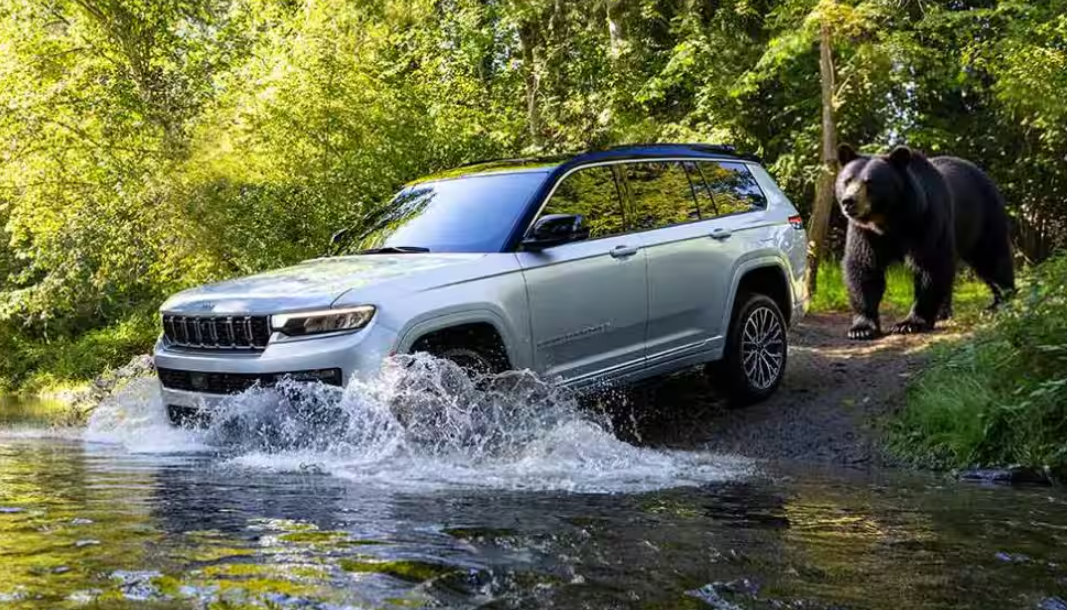
Silver 2026 Jeep Grand Cherokee driving through water

From City Streets to Off-Road Trails: How the 2026 Jeep Grand Cherokee Handles It All

The 2026 Jeep Grand Cherokee proves you don't need to choose between daily practicality and weekend adventures. This midsize SUV delivers solid performance whether you're navigating Cortlandt Manor traffic or tackling backcountry trails. Updated powertrain options balance efficiency with real capability, while refined interior touches elevate every drive beyond what you'd expect from traditional off-roaders. Here's what makes the Grand Cherokee different: it genuinely has two personalities. The same vehicle that quietly hauls your family through Westchester County all week becomes a serious trail companion when Saturday rolls around. At Bill Volz's Westchester CDJR, we help drivers match the right trim and 4x4 configuration to their actual needs, whether that's reliable commuting, weekend exploration, or both. more Comfortable Daily Driving on Westchester County Roads Refined Ride Quality and Cabin Quietness Daily commutes showcase the Grand Cherokee's focus on comfort. The suspension soaks up potholes and rough pavement with impressive composure, staying stable without harsh bounce-back. Improved sound insulation creates a quiet cabin at highway speeds, so conversations flow naturally without everyone raising their voices. Interior materials feel genuinely upscale. Soft-touch surfaces appear where your hands naturally go, and thoughtful ergonomics reduce driver fatigue during longer trips. The 2026 Jeep Grand Cherokee Limited really shines here, offering premium leather seating and refined trim details that compete with luxury brands. Climate control responds quickly, and seat heaters warm up within seconds on cold mornings. The Limited interior shows how smart design improves daily use. Controls fall right to hand without requiring you to look away from the road, while the instrument cluster presents information clearly. Multiple storage spots and well-placed cupholders handle phones, coffee, and personal items during trips. City-Friendly Handling and Parking Confidence Urban environments test SUV maneuverability, and the Grand Cherokee handles those challenges with reassuring competence. Steering responds predictably without vague, over-assisted feel. The turning radius proves tight enough for U-turns on suburban streets, while good visibility helps you track curbs and nearby cars. Parking assistance features remove stress from tight spots. Rear cross-traffic alert watches for approaching vehicles when you're backing out of crowded spaces, while available 360-degree cameras provide a complete view around the vehicle. These technologies boost confidence without creating dependency. The Grand Cherokee shows surprising agility for its size. It moves through downtown parking structures without clearance issues, and its proportions feel right for standard parking spaces. This everyday usability turns routine errands into pleasant drives rather than stressful exercises in spatial awareness. Powerful and Efficient Powertrain Options Jeep offers two distinct powertrains for the 2026 Grand Cherokee, each delivering different strengths: Engine Horsepower Torque Transmission 2.0L Hurricane 4 Turbo 324 hp 332 lb-ft Gen IV 8-speed automatic 3.6L V6 293 hp 260 lb-ft Gen IV 8-speed automatic The 2.0L Hurricane 4 Turbo delivers strong acceleration and robust torque across the rev range, providing the low-end grunt needed for both highway merging and trail obstacles. The turbocharged four-cylinder offers impressive efficiency for its power output while maintaining the capability serious drivers demand. The proven 3.6L V6 provides smooth, refined power delivery with predictable throttle response. This naturally aspirated engine emphasizes reliability and straightforward performance characteristics that many drivers prefer for daily use. Both engines pair with Jeep's Gen IV 8-speed automatic transmission, which shifts smoothly in normal driving while holding gears longer when you need maximum acceleration. The transmission adapts to your driving style, learning patterns to optimize shift timing for efficiency or performance. Available 4x4 Systems That Adapt to Any Condition Quadra-Trac and Quadra-Drive Options Jeep's 4x4 systems represent decades of refinement. Quadra-Trac I® works as a full-time all-wheel-drive system, automatically splitting power between front and rear axles based on traction conditions. It operates seamlessly in the background, needing no driver input while maintaining optimal grip on wet pavement or snow-covered roads. Quadra-Trac II® can shift up to 100% of available torque to the axle with most traction, handling more demanding conditions with confidence. Quadra-Drive® II adds rear electronic limited-slip differential capability, sending power to wheels with the most traction without drama or wheel spin. This proves especially valuable on trails where individual wheels might lift off the ground over obstacles. All systems work transparently during normal driving, adding peace of mind without penalties in fuel efficiency or noise. You won't constantly notice their presence until conditions demand their capabilities. Selec-Terrain Drive Modes for Changing Surfaces The Selec-Terrain® system changes the Grand Cherokee's character with simple rotary dial adjustments. Auto mode handles most daily driving intelligently, while dedicated settings optimize throttle response, transmission shift points, and traction control for specific conditions: Auto: Balanced performance for everyday driving Sport: Sharpens responses for spirited driving on paved roads Snow: Moderates throttle response to reduce wheel spin on slippery surfaces Mud/Sand: Maintains momentum through loose terrain by preventing excessive downshifts Rock: Adds low-range gearing and specialized calibration for serious off-road challenges These modes actually alter vehicle behavior rather than providing placebo effects. The straightforward interface makes mode selection easy, letting you focus on driving rather than managing complex menus. Weekend-Ready Off-Road Capability The Grand Cherokee's Trail Rated® designation confirms genuine off-road credentials. Generous ground clearance provides obstacle clearance on rutted trails, while carefully engineered approach and departure angles prevent bumper scrapes when cresting hills or descending steep grades. With the available Quadra-Lift® air suspension, ground clearance raises to 10.9 inches for serious trail obstacles, then lowers at highway speeds for improved aerodynamics. Hill descent control manages steep downhill sections automatically, modulating brakes to maintain safe speeds without driver intervention. This feature transforms nerve-wracking descents into controlled maneuvers. Skid plates protect vulnerable underbody components from rock strikes, providing peace of mind when the trail gets technical. The Grand Cherokee emphasizes torque delivery across the rev range, providing the low-end grunt needed for crawling over obstacles or powering through deep sand. Real-world capability comes from thoughtful engineering rather than brute force. With towing capacity up to 6,200 lbs, you can bring camping trailers or boats along for extended adventures. Interior Comfort and Cargo Space for Any Journey Spacious seating fits five adults comfortably, with generous head and legroom in both rows. Second-row passengers enjoy real comfort with supportive cushioning and climate vents that provide meaningful airflow. When you need maximum cargo capacity, the rear seats fold nearly flat, creating 70.8 cubic feet of loading area for camping gear, sports equipment, or large purchases. With seats up, you still get 37.7 cubic feet behind the second row. Comfort extends to thoughtful details throughout the cabin. Rear passengers get USB charging ports, while available heated rear seats provide luxury that transforms cold-weather travel. The panoramic sunroof floods the interior with natural light, creating an airy feel that makes the cabin seem larger than its dimensions. Cargo organization features include underfloor storage compartments and available cargo management systems that prevent items from shifting during transit. The powered liftgate opens to reveal a low load floor, making it easier to load heavy items. These practical touches acknowledge how you'll actually use the vehicle rather than focusing solely on cubic-foot measurements. Want to explore our Jeep inventory and see which configurations we have available? Our team can walk you through the different trim levels and help you find the perfect match. Technology That Keeps You Connected and Protected Uconnect Infotainment and Navigation The standard 12.3-inch Uconnect® 5 touchscreen proves refreshingly intuitive compared to overly complex interfaces. The screen responds quickly to inputs without frustrating lag, while logical menu structures let you access functions easily. The system integrates smartphone connectivity seamlessly, supporting both wireless Apple CarPlay and Android Auto for familiar interfaces that mirror your device. Navigation presents clear directions with advance lane guidance that prevents last-minute merges in heavy traffic. Voice commands work reliably, understanding natural language requests without requiring specific phrasing. Available premium audio systems deliver impressive sound quality, with carefully positioned speakers creating an immersive listening environment. Select trims offer an optional 10.3-inch passenger display, allowing front passengers to control entertainment or navigation without reaching across to the main touchscreen. Safety Features for City Streets and Beyond Comprehensive driver-assistance technologies reduce accident risks in varied conditions. Adaptive cruise control maintains set following distances in highway traffic, reducing fatigue on longer trips. Lane-keeping assist provides gentle steering corrections when you drift toward lane markers, serving as helpful backup rather than intrusive oversight. Forward collision mitigation with emergency braking assist monitors the road ahead for potential collisions, preparing to intervene if you don't respond quickly enough to hazards. This feature works in both urban and highway environments. Blind-spot warning alerts you to vehicles lurking in adjacent lanes, while rear cross-traffic alert watches for approaching traffic when backing from parking spaces. Active Driving Assist, LED headlamps, and tire pressure monitoring round out the safety package. These systems enhance the Grand Cherokee's protective qualities without creating false confidence, serving as additional layers of awareness that complement attentive driving. Choosing the Right Grand Cherokee Trim for Your Lifestyle The diverse trim lineup lets you match capability to your actual needs and budget. Understanding your primary use cases helps narrow choices, whether you need maximum off-road capability, towing capacity, or luxury features: Trim Engine Options Key Features for Lifestyle Fit 4x4 Systems Available Laredo / Laredo X 3.6L V6 (293 hp) City commuting with essential tech, parking aids Quadra-Trac I Limited 2.0L Turbo (324 hp) Balanced comfort, heated seats for daily drives Quadra-Trac I or II Summit 2.0L Turbo (324 hp) Luxury upholstery, panoramic sunroof, off-road cameras for versatile use Quadra-Drive II Base models provide core Grand Cherokee competence with standard features that many competitors charge extra to include. Mid-level trims like the Limited add premium materials and technology upgrades that enhance daily comfort. Upper trims pile on luxury appointments and advanced systems for those who want maximum refinement. Taking time to evaluate your typical driving scenarios ensures you're not paying for capabilities you'll rarely use while avoiding disappointment from choosing a trim lacking features you'll miss daily. When you factor in the Grand Cherokee's resale value and overall durability, the total ownership proposition strengthens beyond initial purchase price considerations. Experience the 2026 Jeep Grand Cherokee at Our Dealership Experiencing the Grand Cherokee firsthand reveals details that specifications can't capture. At our dealership, you'll find knowledgeable staff who understand how different configurations suit varied lifestyles and driving needs. Our pressure-free, family-oriented approach lets you evaluate the vehicle thoroughly without sales tactics that create rushed decisions. Test driving multiple trims helps clarify which features genuinely enhance your experience versus those that sound appealing but prove less useful daily. Located at 2293 Crompond Rd in Cortlandt Manor, we offer convenient access for Westchester County residents with flexible scheduling that accommodates busy schedules. Our factory-trained technicians ensure ongoing service support, maintaining your Grand Cherokee with genuine Mopar parts and expertise specific to Jeep vehicles. Ready to Find Your Perfect Match? We maintain comprehensive inventory including various Grand Cherokee configurations, letting you compare options side-by-side rather than making decisions based solely on online research. View our new vehicle inventory to see what's currently available, or contact our team to discuss which trim and 4x4 system best matches your needs. Our financing team works with multiple lenders to secure competitive rates, while trade-in valuations provide transparent assessments of your current vehicle's worth. This complete ownership experience extends beyond the initial purchase, supporting you throughout your time with the vehicle through expert service and genuine parts availability. Whether you're drawn to the 2026 Jeep Grand Cherokee for daily commuting comfort, weekend adventure capability, or its balanced approach to both, we're here to help you make confident decisions about this versatile midsize SUV that truly handles everything from city streets to off-road trails.

White 2026 Jeep Grand Wagoneer driving on road

2026 Jeep Grand Wagoneer: What New Features Are Coming This Year?

The 2026 Jeep Grand Wagoneer shows up with updates tailored for families hunting for luxury SUVs. This year, Jeep zeroed in on better fuel economy, smarter tech, and more polished comfort without losing the commanding presence this model's famous for. Planning weekend escapes to the Catskills or managing school pickup runs around Westchester? These changes make every trip more enjoyable. more The 2026 Jeep Grand Wagoneer: Elevated Refinement for Modern Families The 2026 Grand Wagoneer mixes Jeep's tough DNA with the refinement busy families expect from a premium SUV. These updates tackle real life: work commutes on I-87, hauling sports gear, Hudson Valley road trips, and those occasional off-road adventures. The Grand Wagoneer keeps its bold three-row stance while adding practical tweaks that make daily routines simpler. Jeep streamlined the trim lineup this year, so finding the right setup is easier. Each level offers solid value while keeping the premium feel this nameplate delivers. Families stepping up from smaller SUVs will appreciate the extra space and capability without giving up modern features they depend on. A Powerful Upgrade Under the Hood: The Hurricane Engine Performance That Matches Your Lifestyle The biggest mechanical shift for 2026? Jeep's new Hurricane inline-six engine becomes standard equipment. This turbocharged powerplant cranks out 420 horsepower and 468 lb-ft of torque while delivering better fuel economy than the previous V8. The smooth acceleration feels confident during highway merging and tackles Westchester's hills with ease. All Grand Wagoneer trims are powered by this same Hurricane Twin-Turbo six, which relies on twin-turbo tech for strong low-end torque and responsive acceleration in stop-and-go situations. Plus, Jeep introduced a range-extended electric vehicle (REEV) option for 2026, blending electric driving for daily use with extended range for longer trips. This gives flexibility without range anxiety for eco-conscious buyers who still need full-size SUV room. Note: The REEV is expected as a late-model-year availability option, not at initial launch. Here's another key update: rear-wheel drive returns as the standard drivetrain on the base Grand Wagoneer for 2026, with 4WD standard on Limited and Summit trims and available on the base model. Towing Capability for Weekend Adventures The 2026 Grand Wagoneer keeps its impressive towing capacity up to 10,000 lbs. Need to haul a boat to Lake Mahopac or tow a camper for Berkshires getaways? Jeep built this SUV to handle serious loads with confidence. Integrated trailer brake control and specialized rear cameras make backing up trailers less stressful, even if towing isn't your specialty. The Quadra-Lift air suspension with semi-active damping automatically tweaks itself to maintain level ride height when towing, boosting stability and reducing powertrain stress. Dashboard monitoring tracks trailer tire pressure and connection status, giving you peace of mind during longer hauls. These practical improvements count when your SUV handles more than commute duty. Technology Designed to Keep Families Connected Infotainment and Screen Layout Enhancements Jeep upgraded the 2026 model with major infotainment improvements, built around a multi-screen setup offering up to 75 inches of total display space. The setup is centered on a 12-inch Uconnect® 5 NAV touchscreen paired with a 10.25-inch digital instrument cluster. An available 10.25-inch front passenger interactive display and available 10.1-inch rear seat entertainment screens round out the cabin. This layout spreads information logically: the main touchscreen handles navigation and media while the passenger display lets your co-pilot control entertainment without bugging the driver. Rear passengers get their own screens, which is a lifesaver during longer trips when kids need entertainment. The Uconnect® 5 NAV system includes wireless Apple CarPlay and Android Auto across all trims, so smartphone integration works smoothly regardless of your family's device preferences. The system responds quickly to inputs with an intuitive interface. Wireless charging pads throughout the cabin mean fewer cable messes and dead batteries. Our team can show you the entire system when you view our new vehicle inventory at our dealership. The available McIntosh audio system (19 speakers on Limited Reserve, 23 speakers on Summit trims) turns the cabin into a concert hall. For families logging serious road time, quality audio makes a genuine difference in overall comfort. Driver-Assist Features for Confident Commutes Jeep loaded the 2026 Grand Wagoneer with over 170 standard and available safety and security features. Active Driving Assist provides lane centering and speed adjustments, cutting fatigue during heavy Taconic traffic. The system smoothly accelerates and brakes with traffic flow, keeping safe following distance. Automated emergency braking and lane-keeping assist step in when needed. Blind-spot monitoring includes rear cross-traffic alert and extends to trailer coverage when towing, especially helpful backing out of crowded spots. The system shows a comprehensive view of surroundings, making tight parking manageable despite the Grand Wagoneer's size. The rear-facing FamCAM lets parents check on kids in the back seats, while the available head-up display projects key info onto the windshield. Adaptive cruise control on higher trims handles stop-and-go situations seamlessly, acting as helpful backup that reduces stress and improves safety. Interior Comfort Built for Long Journeys and Busy Schedules Seating Configurations and Premium Materials Jeep offers the Grand Wagoneer with flexible seating that adapts to different family needs. Second-row captain's chairs create easier third-row access and a more luxurious vibe, while the bench option bumps total capacity to eight. Higher trims include heating, ventilation, and massage functions, keeping everyone comfortable during longer journeys. Premium materials throughout include Capri leather seats on the base model, with Nappa leather seating on the Limited Altitude and quilted Palermo leather on the Summit Reserve. Real wood accents and soft-touch surfaces feel substantial and built to handle years of family use. Most surfaces clean easily, though lighter upholstery might need more frequent attention with young kids. Multi-zone climate control lets each row set their own temperature. The tri-pane panoramic sunroof available on certain trims floods the cabin with natural light, creating an airier feel that makes the interior seem even roomier. Cargo Space Options: Standard vs. Grand Wagoneer L Cargo capacity varies quite a bit between the standard Grand Wagoneer and extended Grand Wagoneer L. The standard model gives you 27.9 cubic feet behind the third row and expands to 94.2 cubic feet with seats folded. The Grand Wagoneer L expands to 116.7 cubic feet total, plenty for weekly groceries, sports gear, and typical family hauling. The L version adds substantial space, making it better for families who regularly travel with everyone's luggage. Both versions feature power-folding third-row seats that drop with a button push. The hands-free power liftgate opens with a simple kick under the rear bumper when your hands are full. Storage compartments scattered throughout provide homes for small items, including a center console deep enough for tablets and water bottles. Available cargo management includes adjustable tie-downs, a cargo net, and sliding cargo floor that makes loading heavy items easier. For families regularly switching between passenger and cargo modes, these thoughtful details save time and hassle. Exterior Styling Updates That Turn Heads in Westchester Jeep gave the 2026 Grand Wagoneer exterior updates that modernize its look without ditching distinctive styling. The redesigned front fascia features a taller, more squared-off volume with raised headlamps and an illuminated seven-slot grille creating premium presence, especially after dark. LED lighting creates a contemporary face while keeping design connections to classic Jeep cues. New wheel designs from 18 to 22 inches provide options for different looks, from polished aluminum finishes to dark wheels on models like the Summit Obsidian. The Summit Obsidian features monochromatic styling with blacked-out exterior accents for a dramatic appearance. Metallic accents replace traditional chrome on many configurations, reflecting current design trends. Power running boards automatically deploy when doors open, providing helpful steps while keeping clean lines when tucked away. These details contribute to an exterior that looks refined and well-considered from every angle. Trim Levels: Finding the Right Grand Wagoneer for Your Family Jeep offers the 2026 Grand Wagoneer in several distinct trims: Grand Wagoneer, Upland, Limited Altitude, Limited Reserve Altitude, Summit Obsidian, and Summit Reserve Obsidian, each targeting different priorities. The base Grand Wagoneer serves as your entry point, delivering Capri leather seats, automatic-dimming driver mirror, 18-inch wheels, and an Alpine 9-speaker audio system. This trim includes the standard-output Hurricane engine and substantial equipment, making it solid for families prioritizing value. The Limited Altitude adds 22-inch wheels, Nappa leather seating, power running boards, tri-pane panoramic sunroof, and head-up display. A 19-speaker McIntosh system is available on the Limited Reserve sub-trim. This configuration hits the sweet spot for buyers wanting premium amenities without jumping to the top trim. The Summit Obsidian delivers monochromatic styling with blacked-out exterior accents and dark wheels, while the Summit Reserve features exclusive interior color themes and quilted Palermo leather seating for buyers wanting the most comprehensive feature set Jeep offers. You can explore our Jeep inventory to see which configurations we currently stock. Experience the 2026 Jeep Grand Wagoneer at Bill Volz's Westchester CDJR See the Difference for Yourself The best way to understand how the 2026 Grand Wagoneer updates benefit your family? Experience them firsthand. At Bill Volz's Westchester CDJR, we keep inventory of various Grand Wagoneer configurations, letting you compare trims and features in person rather than just reading specs online. Our location at 2293 Crompond Rd in Cortlandt Manor puts us within easy reach for Westchester County families. Test drives reveal details spec sheets miss, like how the suspension handles local road conditions or whether the seating position works for your height and driving style. Our team understands buying a vehicle of this caliber represents a significant investment, and we take time answering questions and explaining features without pressure tactics. Your Partner Throughout Ownership For families considering the Grand Wagoneer, we offer straightforward financing discussions helping you understand options clearly. Our service department, staffed by factory-trained technicians, provides ongoing support long after purchase, ensuring your vehicle gets proper care throughout ownership. Whether you're ready to buy or still researching, we're here providing honest information and helping you find the right configuration for your family's needs. Contact our team at 914-996-4133 or schedule a test drive to see what makes this year's Grand Wagoneer worth a closer look. The 2026 model year brings meaningful improvements making this Jeep more competitive in luxury SUV segments while keeping the capability and space families need.

Green 2026 Jeep Wrangler Rubicon driving off-road

Exploring Off-Road Features in 2026 Jeep Wrangler Rubicon vs Bronco Badlands

Shopping for a serious off-road vehicle means going beyond flashy branding and looking at what actually matters when rubber meets rock. The 2026 Jeep Wrangler Rubicon vs Bronco Badlands debate keeps dominating conversations among trail enthusiasts, and there's good reason for that. These two heavyweights represent completely different philosophies for conquering rough terrain, each bringing distinct engineering approaches to the challenge. At Bill Volz's Westchester CDJR, we help drivers in Cortlandt Manor and throughout Westchester County match their off-road ambitions with the right vehicle. Working with countless customers who tackle everything from weekend getaways to hardcore trail expeditions has shown us firsthand how these technical differences translate to real-world performance. Ready to see the Wrangler Rubicon's capabilities for yourself? Explore our Jeep inventory and discover what sets this legendary off-roader apart. more 2026 Wrangler Rubicon vs Bronco Badlands: Quick Specs Comparison The Rubicon vs Bronco matchup starts with understanding what each vehicle brings to the table. Both target experienced off-roaders who need genuine capability, not just rugged styling. The Wrangler Rubicon builds on decades of proven engineering and battlefield-tested reliability. The Bronco Badlands? That's Ford's modern take on trail dominance with contemporary technology. Understanding Ford Bronco vs Jeep Wrangler specs helps clarify which vehicle aligns with your specific needs. Here's how the key off-road capabilities stack up: Spec Category Wrangler Rubicon Bronco Badlands Max Crawl Ratio Up to 100:1* 94.75:1 (manual) / 67.80:1 (automatic) Ground Clearance 12.9 inches Up to 11.6 inches (2-door) / 11.5 inches (4-door) with Sasquatch Package Approach Angle 47.4° (4-door, with 35" tires) 43.2° (with 35" tires) / 35.5° (standard) Breakover Angle Up to 32.4° (2-door w/ 35" tires) / 26.7° (4-door) 26.3° (4-door with 35" tires) / 20.0° (4-door standard) Departure Angle 40.4° (4-door) 37.0° (4-door with 35" tires) / 29.5° (4-door standard) Water Fording Up to 35 inches 33.5 inches (with Sasquatch Package) / 31.5 inches (standard) \*With manual transmission and available 4.88:1 axle ratio The Wrangler's up to 100:1 crawl ratio, superior approach angles, and available 35-inch water fording depth tell the story of Jeep's engineering priorities. Meanwhile, the Bronco counters with competitive ground clearance and a more refined daily driving experience. Engine options matter too: the Bronco Badlands offers a standard 2.3-liter EcoBoost inline-four delivering 300 horsepower and 325 lb-ft of torque, with an available 2.7-liter EcoBoost V6 bumping output to 330 horsepower and 415 lb-ft of torque. Axle Technology and Suspension Architecture Solid Front Axle vs Independent Front Suspension The most fundamental difference between these vehicles lies beneath their frames. This solid front axle vs independent front suspension debate shapes everything else about how they handle obstacles. The Wrangler's solid front axle connects both front wheels through a single beam, creating mechanical sympathy between the left and right sides. This design delivers exceptional durability and superior traction on uneven ground. When one wheel climbs over a rock, the opposite wheel stays planted, maintaining contact and grip. The solid axle allows for better articulation, letting the suspension twist and flex to keep tires grounded where independent systems might lift a wheel. The Bronco's independent front suspension follows completely different logic. It provides a smoother ride on pavement and improved handling during daily driving. Each front wheel moves independently, absorbing bumps without transferring motion to the other side. This makes highway cruising more comfortable and reduces driver fatigue on long trips to trailheads. What This Means on Rocky Trails When you're navigating technical terrain around Westchester County's more challenging trails, these suspension differences become immediately obvious. The Wrangler's solid axle forces both front wheels to work together, creating predictable behavior when crossing uneven surfaces. You maintain stability as the vehicle keeps its center of gravity over obstacles. That forced articulation translates to better tire contact with the ground, which means maintaining traction exactly when you need it most. The mechanical connection between wheels helps the vehicle find grip even when traversing severely angled terrain. This becomes critical during rock crawling, where keeping all four tires engaged determines whether you make the climb or spin helplessly. The Bronco's independent setup can struggle in extreme scenarios where maximum articulation matters. While perfectly capable for most recreational off-roading, it may lift wheels in situations where the Wrangler keeps rubber on rock. That said, the independent suspension reduces stress on the chassis during normal driving, potentially offering better long-term durability for mixed-use vehicles. Crawl Ratios and Low-Range Gearing for Technical Terrain Low-speed control separates serious off-roaders from vehicles that simply look the part. The Wrangler Rubicon delivers its up to 100:1 crawl ratio through the Rock-Trac transfer case with 4:1 low-range gearing, which translates directly to better precision during technical maneuvers. A lower crawl ratio means the engine can turn more slowly while still delivering sufficient torque to the wheels. This advantage becomes crucial during rock crawling. Maintaining momentum without building dangerous speed requires careful throttle control, and the Rubicon's gearing allows drivers to creep over obstacles at walking pace. This gives you time to react and adjust lines without constantly riding the brakes. You can maintain steady progress up steep inclines while the transmission and transfer case multiply engine torque. The Bronco offers versatile gearing options that work well for most situations. While it may not provide the same extreme low-speed control as the Rubicon, it delivers sufficient capability for recreational trail running. The trade-off involves slightly less precision during technical crawling in exchange for improved on-road drivability and fuel efficiency. If you're curious how these differences feel in practice, schedule a test drive to experience the Rubicon's crawl ratio firsthand. Ground Clearance, Approach, and Departure Angles Rubicon ground clearance numbers tell only part of the story when evaluating off-road capability. The Wrangler's 12.9 inches of ground clearance pairs with exceptional approach and departure angles to create a geometry advantage on technical trails. The Bronco sometimes edges closer with up to 11.5 inches of ground clearance, giving it decent capability when traversing deep ruts or crossing obstacles directly beneath the chassis. The Wrangler holds a clear advantage with its 47.4-degree approach angle, 26.7-degree breakover angle (4-door) or up to 32.4 degrees on 2-door models, and 40.4-degree departure angle. These angles matter tremendously when navigating steep inclines without scraping bumpers or undercarriage components. The Wrangler's design allows it to climb sharper obstacles without the front bumper contacting the rock face. When descending steep grades, the rear bumper clears obstacles that might catch on vehicles with less favorable departure angles. The Bronco vs Wrangler size comparison reveals interesting differences in how these vehicles package their capability. Both maintain relatively compact footprints for maneuvering tight trails, but their dimensional choices affect breakover angles and overall agility. The Wrangler's shorter wheelbase options provide tighter turning circles, valuable when navigating switchbacks or threading through trees common on trails within an hour of Cortlandt Manor. Locking Differentials and Traction Management Systems Electronic Lockers and Disconnecting Sway Bars Modern traction technology has transformed off-road capability. Both vehicles showcase advanced systems, but electronic lockers and disconnecting sway bars represent key features that separate capable vehicles from pretenders. The Rubicon's electronic sway bar disconnect stands out as particularly effective, allowing dramatically increased wheel articulation when conditions demand maximum flex. Locking differentials force both wheels on an axle to rotate at the same speed, preventing power from flowing uselessly to a spinning tire. The Wrangler Rubicon includes Tru-Lok electronic locking differentials at both front and rear axles, providing maximum traction when all four wheels need equal power distribution. This becomes essential when climbing over rocky obstacles where any wheel lift means lost momentum. The disconnecting sway bar feature deserves special attention. Sway bars reduce body roll during cornering by mechanically connecting left and right sides of the suspension. While beneficial for on-road handling, they limit articulation off-road. Electronically disconnecting the front sway bar lets the Wrangler's suspension twist freely, maintaining tire contact over dramatically uneven terrain. Terrain Modes and Trail Technology The Bronco's Terrain Management System includes seven G.O.A.T. Modes (Goes Over Any Type of Terrain), providing settings tailored for different environments and enhancing adaptability across various conditions. These preset configurations adjust throttle response, transmission behavior, traction control intervention, and other parameters to optimize performance. Rock crawl mode, for instance, calibrates systems completely differently than sand mode or mud mode. The Wrangler counters with its Off-Road Pages package, offering extensive trail data and navigation tools. This system displays real-time information including pitch, roll, altitude, and pressure readings. Having this data readily available helps drivers make informed decisions about whether they can safely navigate upcoming obstacles. Both systems contribute to more enjoyable and safer off-roading experiences. The choice between preset modes versus detailed information displays often comes down to personal preference and experience level. Our team at Bill Volz's Westchester CDJR can walk you through how each system works, so view our new vehicle selection and let us demonstrate these features in person. Trail-Ready Design and Durability Features Trail-ready design and durability features extend beyond mechanical components to overall construction philosophy. The Jeep Rubicon vs Ford Bronco comparison includes materials, weatherproofing, and practical considerations for vehicles that regularly get muddy, wet, and dirty. Undercarriage Protection and Build Quality The Wrangler's rugged build emphasizes easy cleanup after messy adventures, with drain plugs and removable floor materials. Steel bumpers, rock sliders, and skid plates protect vulnerable components from trail damage. Both vehicles offer these features, though their coverage and robustness vary significantly. The Rubicon comes equipped with heavy-duty rock rails and reinforced undercarriage protection as standard equipment, recognizing that serious trail running inevitably means contact with obstacles. This protection matters for Westchester County drivers who push their vehicles on demanding trails, and our service department has the expertise to maintain these systems properly. Wet Weather and Water Crossing Capability The Bronco incorporates marine-grade materials and drainable interiors, emphasizing readiness for wet and challenging conditions. Its 33.5-inch water fording depth actually falls short of the Wrangler Rubicon's available 35-inch rating. This approach appeals to drivers who frequently encounter water crossings or muddy terrain. Both philosophies work effectively, just with slightly different priorities in how they address the reality of off-road vehicle ownership. Removable Doors and Tops Removable doors and tops enhance the open-air experience that makes off-roading special. The Wrangler's legendary door and top removal system remains unmatched for simplicity and versatility. The Bronco offers removable tops, but the process typically involves more complexity and time compared to the Wrangler's tool-free approach. Which Off-Roader Wins for Westchester Area Trails The Wrangler vs Bronco decision ultimately depends on matching capabilities to your specific needs and priorities. For drivers prioritizing ruggedness, technical capability, and proven off-road performance, the Wrangler Rubicon often emerges as the preferred choice. Its solid front axle, superior articulation, and class-leading low-speed gearing deliver advantages when tackling challenging terrain around Westchester County and beyond. The Bronco appeals to drivers seeking modern technology and versatile performance across varied conditions. Its independent front suspension provides better daily drivability, while still offering legitimate off-road capability for most recreational situations. If your off-roading involves more forest service roads and moderate trails than extreme rock crawling, the Bronco's balanced approach might suit you better. Consider how you'll actually use the vehicle. Weekend warriors who occasionally venture onto maintained trails have different needs than dedicated enthusiasts who seek out technical challenges. The Wrangler excels when pushed to extremes. The Bronco offers a more refined overall package for mixed use. Visit Bill Volz's Westchester CDJR At Bill Volz's Westchester CDJR, we encourage test drives and honest conversations about your off-road ambitions. Our factory-trained technicians understand these vehicles inside and out, and we're here to help you make an informed decision. The Wrangler Rubicon represents proven capability backed by decades of trail-tested engineering from Stellantis. Both the Jeep vs Bronco represent legitimate off-road capability, just with different strengths and trade-offs. Contact our team to discuss which approach aligns better with your plans for exploring the trails around Westchester and beyond. The right off-road vehicle amplifies your adventures rather than limiting them, and that decision deserves careful consideration based on real capability, not just marketing hype.

Jeep Wrangler 4xe powering light and chair set up

Electric and Hybrid Options: What's Next for CDJR's Future Lineup?

Picture this: you're cruising Route 9 during your morning commute, passing countless gas stations without a second thought. Your Jeep runs whisper-quiet on electric power alone, slicing through Westchester County traffic while your wallet stays happy. This isn't some pie-in-the-sky scenario anymore. CDJR hybrids and EVs are already changing how local drivers approach their vehicles. Whether you're commuting to White Plains or heading upstate for weekend adventures in the Hudson Valley, the move toward electric and hybrid powertrains delivers real benefits that show up in your daily routine. more Why CDJR's Electrified Lineup Matters for Westchester Drivers Westchester County sits right at the intersection of environmental awareness and real-world transportation demands. You need vehicles that can handle whatever winter throws at them, haul family gear when necessary, and won't empty your bank account at the pump. CDJR's strategy mixes performance with efficiency in ways that actually make sense for how people drive around here. Your commute likely includes highway stretches mixed with stop-and-go crawling through towns like Cortlandt Manor and Peekskill. Hybrid and electric powertrains absolutely excel in these exact conditions. Regenerative braking captures energy that normally gets wasted in traffic, stretching your range. Electric motors give you instant torque for merging and passing without hesitation. The environmental benefits come bundled with practical advantages: lower operating costs, less maintenance hassle, and access to solid incentives. Charging infrastructure keeps expanding throughout Westchester and the surrounding areas, making electric vehicle ownership increasingly straightforward. We're here to help you figure out how CDJR's electrified lineup fits your specific needs. Current CDJR Hybrids and EVs You Can Drive Today Right now, you can visit our Cortlandt Manor dealership and actually drive home in a plug-in hybrid or get hands-on experience with the technology. Our current selection covers multiple segments and different use cases. Jeep electric vehicles bring off-road capability with electric efficiency. Dodge hybrid options deliver performance without sacrificing anything. Chrysler's family-focused approach brings electrification to minivan practicality. Comparing Current CDJR Hybrid and EV Models Here's how our current electrified models measure up: Model Fuel Economy Electric Range Power 0-60 Time Dodge Hornet R/T up to 77 MPGe 32 miles up to 288 hp ~5.6 sec Jeep Wrangler 4xe up to 49 MPGe 21 miles 375 hp ~6.0 sec Jeep Grand Cherokee 4xe up to 56 MPGe 26 miles 375 hp ~5.3 sec Chrysler Pacifica Plug-In Hybrid up to 82 MPGe 32 miles 260 hp ~7.5 sec Wagoneer S up to 93 MPGe up to 294 miles up to 600 hp ~3.4 sec Jeep 4xe Models: Wrangler and Grand Cherokee Plug-In Hybrids The question "does jeep make electric vehicles" gets a definitive yes with the 4xe lineup. The Wrangler 4xe and Grand Cherokee 4xe show Jeep's commitment to keeping legendary capability while embracing electrification. Both use a 2.0L turbocharged engine paired with electric motors, cranking out 375 horsepower and 470 lb-ft of torque. Your Wrangler 4xe can conquer the Rubicon Trail on Saturday and handle errands on pure electric power Monday through Friday. Three E-Select driving modes let you pick how to use the powertrain: Electric Mode for zero-emission driving, Hybrid Mode for maximum efficiency, or e-Save Mode to preserve battery charge. Level 1 charging takes 12-13 hours using a standard 120-volt outlet. The Grand Cherokee 4xe takes the same basic approach but adds more refinement. You get electric range for daily driving, serious towing capacity when you need it, and legitimate off-road credentials. Both models prove that electrification enhances capability rather than limiting it. Dodge Hornet R/T and Chrysler Pacifica Plug-In Hybrid Dodge going electric starts with the Hornet R/T, a compact SUV that challenges every assumption about hybrid performance. The turbocharged plug-in hybrid system pumps out up to 288 horsepower with standard AWD, launching from 0-60 in just 5.6 seconds. You get up to 77 MPGe combined and 32 miles of electric range, which covers most Westchester commutes easily. The Chrysler Pacifica Plug-In Hybrid stands alone as America's only electrified minivan. The 3.6L engine working with two electric motors produces 260 horsepower total system output. School runs and grocery trips can happen on electric power alone with up to 32 miles of all-electric range and up to 82 MPGe combined. The Pacifica seats up to seven while including all the tech features today's families expect. Wagoneer S: Electric Luxury SUV The Wagoneer name now includes a fully electric option with the Wagoneer S, a premium midsize SUV that blends Jeep capability with luxury‑SUV refinement. Standard all‑wheel drive and dual electric motors deliver up to 600 horsepower on Launch Edition models, with 0–60 mph times in the mid‑3‑second range. With an EPA‑estimated range of around 294 miles and DC fast‑charging capability, the Wagoneer S fits perfectly for Westchester drivers who split time between weekday commutes and longer highway trips. Inside, upscale materials, advanced driver‑assist features, and the latest Uconnect tech create a quiet, high‑tech cabin that takes full advantage of the nearly silent electric powertrain. What's Coming: CDJR's Future Electric Vehicles The current lineup barely scratches the surface. CDJR's roadmap includes fully electric models that push boundaries while respecting brand heritage. These aren't retrofitted gas vehicles, they're ground-up designs that leverage what electric powertrains do best. Dodge electric vehicles will keep performance credentials front and center. Jeep EV models will demonstrate that off-road capability translates perfectly to electric power. Ram's electrification strategy zeroes in on work truck requirements. Dodge Charger Daytona and Jeep Recon The all-electric Dodge Charger Daytona completely reimagines American muscle for an electric future. Expected in 2026, this 670-horsepower electric performance machine won't just match current Charger performance, it aims to blow past it. That same year brings a 550-hp Charger Scat Pack with a 3.0L Twin Turbo SIXPACK H.O. engine, showing the multi-energy approach to the next-generation lineup. The Jeep Recon tackles off-road capability in fully electric form. Expected in early 2026 starting around $65,000, it includes removable doors and a fold-down windshield just like the Wrangler. The electric powertrain brings distinct advantages though: precise torque control for technical terrain and quiet operation so you can actually appreciate the outdoors. Jeep Cherokee Hybrid and Ram ProMaster EV The 2026 Jeep Cherokee Hybrid brings modern redesign with traditional hybrid efficiency. No plug required, just fill up and go. With 37 combined MPG and over 500 miles total driving range, it's perfect for Westchester commuters and upstate weekend trips. The advanced 4x4 system keeps Cherokee's capability intact. The Ram ProMaster EV addresses commercial needs with up to 164 miles of electric range and up to 268 horsepower. Available in Cargo Van and Step Van configurations, it offers up to 3,170 lbs payload capacity. Uconnect 5 with wireless Apple CarPlay, Android Auto, and Alexa Built-in keeps drivers connected throughout Westchester's commercial routes. Jeep is also expanding electrification at the top of its lineup, with a Grand Wagoneer 4xe range‑extended plug‑in hybrid expected to pair big‑SUV space with smoother, more efficient power. That gives Westchester families another option if they want three‑row luxury without committing to a fully electric vehicle. Ram 1500 Ram is also electrifying its half‑ton pickup lineup with the all‑electric Ram 1500 REV and the innovative Ram 1500 Ramcharger range‑extended EV. These trucks are built for serious work, offering targeted range and towing figures that make sense for contractors, landscapers, and weekend haulers who rely on their trucks around Westchester County. Hybrid vs. Full Electric: Choosing the Right CDJR Powertrain Your choice between hybrid and full electric comes down to specific factors: daily driving distance, reliable home charging access, and longer trip frequency. Plug-in hybrids offer flexibility if you can't always count on charging infrastructure. Full electric vehicles provide the best efficiency and lowest operating costs when charging access works with your situation. Think about your typical week. Full electric vehicles work best when most driving stays local and you can charge regularly at home or work. Most Westchester commutes fall comfortably within the 32-mile electric range for plug-in hybrids. You drive on battery power, recharge overnight, and barely touch gas for daily needs. Longer trips activate the gas engine automatically. Full electric vehicles work best when most driving stays local and you can charge regularly at home or work. Cost considerations stretch beyond the sticker price. Electric vehicles typically cost less per mile to operate. Maintenance requirements drop dramatically without oil changes and complex transmissions. Factor in available incentives, and the total cost picture often tilts toward electrification. For work and towing, an electric truck like the upcoming Ram 1500 REV or the Ram 1500 Ramcharger range‑extended EV can cut fuel costs while still delivering the capability Ram owners expect. Real-World Benefits for Cortlandt Manor and Westchester County Commuters Your daily drive involves specific challenges: traffic jams near major routes, stop-and-go conditions through towns, and variable weather that demands capable vehicles. CDJR hybrids and EVs tackle these realities head-on. Electric motors shine in traffic with smooth acceleration, strong regenerative braking, and silent operation that cuts stress. Your fuel costs plummet when electric power handles commuting duties. Many drivers discover they rarely visit gas stations outside occasional longer trips. Winter capability matters here. Electric vehicles benefit from instant torque in slippery conditions. Battery placement low in the chassis improves handling and stability. Plug-in hybrids give you peace of mind knowing gas backup exists if needed. Modern battery technology handles cold weather far better than early electric vehicles managed. Charging, Range, and EV Incentives Explained Understanding ownership practicalities helps you make smart decisions. Charging infrastructure keeps expanding throughout the region. Range capabilities improve with each model year. Available incentives can significantly reduce costs for qualified buyers. Understanding Range and Charging Options in Westchester Westchester's charging network includes public stations at shopping centers, parking facilities, and along major routes. Most electric vehicle owners lean heavily on home charging, plugging in overnight just like charging a phone. A standard 240-volt outlet charges most plug-in hybrids completely in a few hours. Public fast charging handles longer trips or emergency situations. The charging experience keeps improving as infrastructure expands and charging speeds increase. Apps help you locate stations and check availability before arriving. Real-world range varies with conditions, but most current models handle typical daily needs with margin to spare. Federal and New York State EV Incentives Financial incentives make electrified vehicles more accessible. Federal tax credits provide up to $7,500 for qualifying vehicles, though eligibility requirements include specific rules. New York State offers additional incentives through Drive Clean Rebate programs. Combined, these can substantially slash your effective purchase price. Incentive programs shift periodically as policies evolve. Our team stays current on available programs and can help you understand what applies to your situation. Working with us ensures you won't miss opportunities to maximize savings. Explore CDJR Hybrids and EVs at Bill Volz's Westchester Reading about electrification only tells part of the story. You need to experience how these vehicles actually drive and fit your lifestyle. The difference between hybrid and conventional powertrains becomes crystal clear behind the wheel. We keep inventory of current hybrid and electric models at our Crompond Road location in Cortlandt Manor. Our factory-trained technicians understand these vehicles inside and out, both for sales consultation and ongoing service needs. We provide straightforward information without pressure, helping you make the right choice for your specific situation. Test driving multiple models helps clarify what works best. Compare the Wrangler 4xe's capability, the Wagoneer S’s electric luxury, and the Pacifica's family practicality to see which electrified setup feels right for your lifestyle. Your personal reaction to driving each vehicle matters more than specifications on paper. We can also discuss financing options, trade-in valuations, and answer questions about transitioning to electrified vehicles. CDJR's future combines heritage with innovation. Whether you choose a plug-in hybrid today or wait for upcoming all-electric models, explore our full inventory or contact us at 914-996-6133 to discover how these vehicles fit your driving needs.

Inside Look: Comparing the Interiors of the 2026 Jeep Compass and Cherokee

Choosing between the Jeep Compass or Cherokee often comes down to what happens inside the cabin. Both models deliver rugged Jeep DNA, but their interior designs serve different purposes. The 2026 Jeep Compass vs Cherokee interior debate centers on matching the right space, materials, and features to how you actually live and drive around Westchester County. Whether you're navigating Cortlandt Manor or heading out for weekend adventures, understanding these interior differences helps you make a confident choice. At Bill Volz's Westchester CDJR, we help customers compare both models side-by-side to find the perfect fit. Let's explore what sets these two popular Jeep models apart when you slide behind the wheel. more Inside the 2026 Jeep Compass and Cherokee: Interior Space Overview The Cherokee provides noticeably more cabin volume compared to its Compass sibling. This extra room becomes particularly apparent during longer drives or when carrying multiple passengers regularly. Measurement 2026 Jeep Compass 2026 Jeep Cherokee Total passenger volume 100 cu ft 107 cu ft Front headroom 39.2 in 40.3 in Front legroom 41.8 in 41.3 in Front shoulder room 56.7 in 57.7 in Rear headroom 38.5 in 40.2 in Rear legroom 38.3 in 38.5 in Rear shoulder room 55.1 in 57.6 in The Compass takes a different approach. Its compact footprint makes urban driving remarkably easy while still delivering adequate space for most situations. You won't feel cramped during your daily commute, but you'll appreciate how much simpler it is to squeeze into tight parking spots. Both vehicles seat 5 passengers in two rows with split-folding rear seats. The Cherokee spreads out generously, while the Compass packs smartly. City dwellers might lean toward the Compass's nimble dimensions. Those who frequently haul passengers or gear often prefer the Cherokee's generous proportions. Front Seat Comfort and Daily Driving Experience Both models deliver supportive front seating with thoughtful ergonomics. The Cherokee typically features more sophisticated seat adjustments, including power controls and memory functions on higher trims. These refinements make finding your perfect driving position easier when multiple drivers share the vehicle. Cherokee interior showcases upgraded materials in the front cabin. You'll find softer touch points on the dashboard and door panels, plus substantial armrests that enhance comfort during longer drives. The overall presentation leans toward a more premium experience. The Compass focuses on practical comfort. The seats provide solid support without excessive bolstering, making entry and exit straightforward. Dashboard layout emphasizes simplicity and functionality, putting controls within easy reach. Visibility proves excellent in both vehicles. The Cherokee's slightly higher seating position gives you a commanding view of traffic. The Compass's lower profile feels sportier without sacrificing sightlines. Second-Row Seating and Family-Friendly Space The Cherokee offers more rear legroom, which matters when shuttling kids to sports practice or taking grandparents to dinner. Taller passengers can stretch out more comfortably. The wider cabin means three-across seating feels less cramped. The Compass accommodates most passengers comfortably, though adults sitting behind tall drivers might notice tighter quarters on longer trips. The compact dimensions that make city driving easier don't completely sacrifice rear passenger comfort. Thoughtful features like rear air vents keep back-seat passengers comfortable year-round. Child seat anchors and tethers meet current safety standards in both models. The Cherokee's wider rear doors make installing car seats slightly easier. Headroom proves generous in both vehicles, though the Cherokee's extra width provides more shoulder room, making middle-seat passengers significantly more comfortable on family road trips. Cargo Capacity and Weekend Adventure Versatility Weekend adventures demand flexible cargo space, and the differences here prove meaningful: Cargo Area 2026 Jeep Compass 2026 Jeep Cherokee Interior cargo volume 27.2 cu ft 33.6 cu ft Max interior cargo volume (rear seats folded) 59.8 cu ft 68.3 cu ft The Cherokee swallows camping gear, sports equipment, or weekend luggage with room to spare. The wider cargo opening and lower lift-over height also make loading heavy items like coolers or bikes more manageable. The Compass handles everyday hauling needs effectively. Grocery runs, gym bags, and small furniture purchases fit without issue. The cargo area shape proves practical, with minimal intrusion from wheel wells. Both vehicles feature 60/40 split-folding rear seats. Cherokee's seats fold flatter, creating a more level load floor ideal for sliding longer items inside. The Compass's rear seats fold adequately, though you might notice a slight angle that can complicate loading particularly long objects. Interior Materials and Build Quality Compared Cherokee leans toward upscale presentation. Higher trims showcase leather-appointed seats, upgraded dashboard materials with contrast stitching, and metal-look accents that elevate the cabin's appearance. The Compass opts for durability over luxury. Materials might not feel as plush, but they're engineered to withstand daily wear. Cloth seats resist staining, while hard plastic surfaces clean up easily after muddy boots or spilled coffee. Build quality remains solid in both vehicles. Cherokee's assembly feels slightly more refined, with tighter tolerances and a more cohesive overall presentation. The Compass demonstrates competent construction that serves its utilitarian mission. Sound insulation differs noticeably. Cherokee employs more noise-dampening materials, resulting in a quieter highway ride. The Compass allows slightly more road and wind noise to enter the cabin, though it's not excessive. Technology, Infotainment, and Connectivity Features Modern drivers expect seamless connectivity, and both models deliver capable infotainment systems. Cherokee features a 12.3-inch central touchscreen standard on many trims, while the Compass offers an 8.4-inch standard touchscreen with an available 10.1-inch display on higher trims. These bigger screens make navigating menus easier and display maps with more detail. Wireless Apple CarPlay and Android Auto come standard on both vehicles. You'll connect your smartphone wirelessly on most trims, streaming music and accessing navigation through familiar interfaces. Voice recognition works reliably in both vehicles. Cherokee offers digital instrument clusters that replace traditional analog gauges on higher trims. These configurable displays let you customize what information appears front and center. Compass sticks with traditional gauges in most trims, which some drivers prefer for immediate readability. Both vehicles offer available premium Alpine audio systems that significantly improve sound quality. Available features include heated front seats, heated steering wheel, wireless charging pad, and hands-free power liftgate. USB ports appear throughout both cabins, with Cherokee typically including more total ports. Which Interior Best Fits Your Westchester Lifestyle? Perfect for Commuters and City Driving Daily commuters navigating Westchester communities often prefer the Compass for practical reasons. Its compact dimensions make parallel parking less stressful and navigating tight shopping center lots considerably easier. Straightforward interior layout means less time fumbling with controls and more focus on the road. Cherokee appeals to commuters who prioritize comfort over compactness. That extra interior room means more space to spread out during longer commutes. The quieter cabin makes morning drives more relaxing. Ideal for Families and Road Trip Enthusiasts Cherokee clearly favors families needing maximum space and versatility. Extra rear legroom keeps growing kids comfortable, while superior cargo capacity handles everything from strollers to sports equipment. Advanced safety features including blind-spot monitoring, rear cross-traffic alert, and adaptive cruise control provide peace of mind when transporting precious cargo. Compass still serves smaller families or couples who occasionally travel with passengers. If you rarely fill all seats and don't regularly haul large amounts of gear, the Compass provides adequate family functionality at a lower price point. Experience Both Cabins at Bill Volz's Westchester CDJR Reading comparisons only tells part of the story. The real differences become clear when you personally experience both interiors. Sitting in the driver's seat, adjusting the mirrors, testing the second-row space with your own family reveals which vehicle truly matches your lifestyle. Bill Volz's Westchester CDJR maintains both models in inventory, letting you compare them side by side. Our team on Crompond Road in Cortlandt Manor understands that choosing between these two capable Jeep models requires thoughtful consideration. Schedule test drives back to back, experiencing the Compass's nimble city manners before switching to the Cherokee's spacious comfort. Bring your family along to check rear seat space with actual passengers. Load your typical weekend gear to verify cargo capacity meets your needs. Contact us to schedule your visit. Call our sales team at 914-996-6133 (Mon-Thu 9AM-7PM, Fri-Sat 9AM-6PM) or reach our service department at 914-402-9211 (Mon-Fri 7:30AM-5PM, Sat 7:30AM-3PM). Making an informed decision starts with firsthand experience, and that's exactly what we deliver to Westchester County families every day.

download

What Does Trail Rated Mean and How do Jeep Wranglers Earn It?

The Trail Rated badge on the side of a Jeep Wrangler shows that the vehicle has conquered Jeep’s toughest off-road testing program, proving itself in five extreme categories. If you want to tackle everything from snowy winter roads to weekend adventures around Cortlandt and Westchester, New York, knowing what this badge really means can help you decide if a Wrangler’s proven grit matches what you need in your next ride. Our team at Bill Volz Westchester Chrysler Dodge Jeep Ram (CDJR) is here to tell you everything you need to know about Jeep’s Trail Rated Wrangler. more Understanding the Trail Rated Badge: Jeep’s Gold Standard for Off-Road Excellence More than just marketing, the Trail Rated badge proves that a vehicle has passed Jeep’s hardcore off-road tests. Created for Jeep vehicles that can actually handle rough terrain, not just look tough, this system demands vehicles pass specific, measurable tests that show real performance when things get rough. Real-world testing beats theoretical specs every time, and you’ll see this badge on both front quarter panels. While competitors add plastic cladding or raise suspension an inch, Trail Rated vehicles must prove they can power through conditions that strand other SUVs. This matters if you want actual capability, not empty promises. The 5 Pillars of Trail Rated Certification Trail Rated Jeeps must complete tests in the following five key areas that mirror actual trail conditions: Traction capability testing: This checks how well vehicles grip snow, mud, and loose dirt, putting four-wheel-drive (4WD) systems through extreme conditions. Water-fording ability: When properly equipped, the 2026 Wrangler can plow through water up to 33.6 inches deep. Maneuverability assessment: This proves these vehicles can navigate tight spots with precise steering when obstacles leave little room for error. Ground-clearance standards: Minimum clearance requirements help protect your vehicle from expensive damage, and the 2026 Wrangler with the factory 35-inch tire package offers up to 12.9 inches of clearance. Articulation performance: This test measures how well the suspension keeps all four wheels in contact with uneven ground. If wheels lose contact, you lose traction and get stuck. Vehicles must pass all five tests, not just excel in one or two areas while failing elsewhere. Why Jeep Wranglers Consistently Earn Trail Rated Status Wranglers pass these tests because they’re built from scratch to tackle trails, not retrofitted road vehicles pretending to be tough. Unlike crossovers built on car platforms with off-road features tacked on as afterthoughts, Wranglers use old-school body-on-frame construction with solid axles front and rear. This gives them way better flex and toughness than independent suspension setups. You can even order your own custom-built Wrangler so that you know you are getting everything you need from day one. The 4WD systems in Wranglers give them serious advantages during testing. The Command-Trac system comes with a 2.72:1 low-range ratio plus Neutral, 4Low, 4Hi, and two-wheel-drive mode, making it perfect for weekend adventures and casual trail runs. If you’re a hardcore off-roader, you’ll love the Rock-Trac setup with its monster 4:1 low-range gearing for crawling over just about anything. If you want full-time protection, Selec-Trac offers 2.72:1 low-range while automatically shifting power between axles as needed. Smart traction control sends power to the wheels that need it, giving Wranglers the right tools to ace even the worst Trail Rated challenges. The fact that you can pop off the doors and roof just adds to visibility when navigating obstacles. Jeep’s testing goes way beyond lab conditions. It takes the Wrangler to places such as the legendary Rubicon Trail in California, where granite boulders, incredibly steep climbs, and technical rock sections can humble even veteran off-roaders. The Trail Rated badge means Jeep Wranglers have proven their worth in more than computer simulations or controlled tracks. These vehicles must show they can handle traction challenges, clear obstacles, squeeze through tight spots, flex over uneven terrain, and ford water safely. Current Wrangler Models With Trail Rated Status Every 2026 Jeep Wrangler wears the Trail Rated badge, from base models to top-tier trims. Trims such as the Sport and Sahara come with decent ground clearance and good water-fording ability. The Rubicon’s the king, packing the Rock-Trac 4WD system, locking front and rear differentials, and a disconnecting sway bar for outstanding articulation. Curb weight varies by body style and equipment; Jeep lists 2026 ranges of 4,014 to 4,429 pounds for two-door models and 4,287 to 4,976 pounds for four-door models. Towing capacity changes by model. Four-door models can pull up to 5,000 pounds, two-door models manage 2,000 pounds, and 4xe hybrids can tow 3,500 pounds when properly equipped. The 4xe hybrid pairs a 2.0-liter four-cylinder turbo engine with electric motors for a total output of 375 horsepower and 470 lb-ft torque and an estimated 49 MPGe combined. Experience Trail Rated Excellence in Cortlandt, New York The Trail Rated badge proves your Jeep has passed five brutal tests that show what it can do when the going gets tough. In Cortlandt, this means battling blizzards, heading to hidden fishing spots, or just driving something truly capable over any terrain. The combination of serious traction, clearance, nimble handling, flexible suspension, and water-crossing ability makes Wranglers different from other SUVs. To feel what real Trail Rated capability means for your driving, visit us at Bill Volz Westchester CDJR for a test-drive and discover why the Wrangler can get you to places other vehicles can’t reach. Images from jeep.com

Contact Us

Fill out this form below and we'll contact you shortly
*Required Fields