




Bill Volz's Westchester

Blog / Jeep Lineup

Exploring Off-Road Features in 2026 Jeep Wrangler Rubicon vs Bronco Badlands

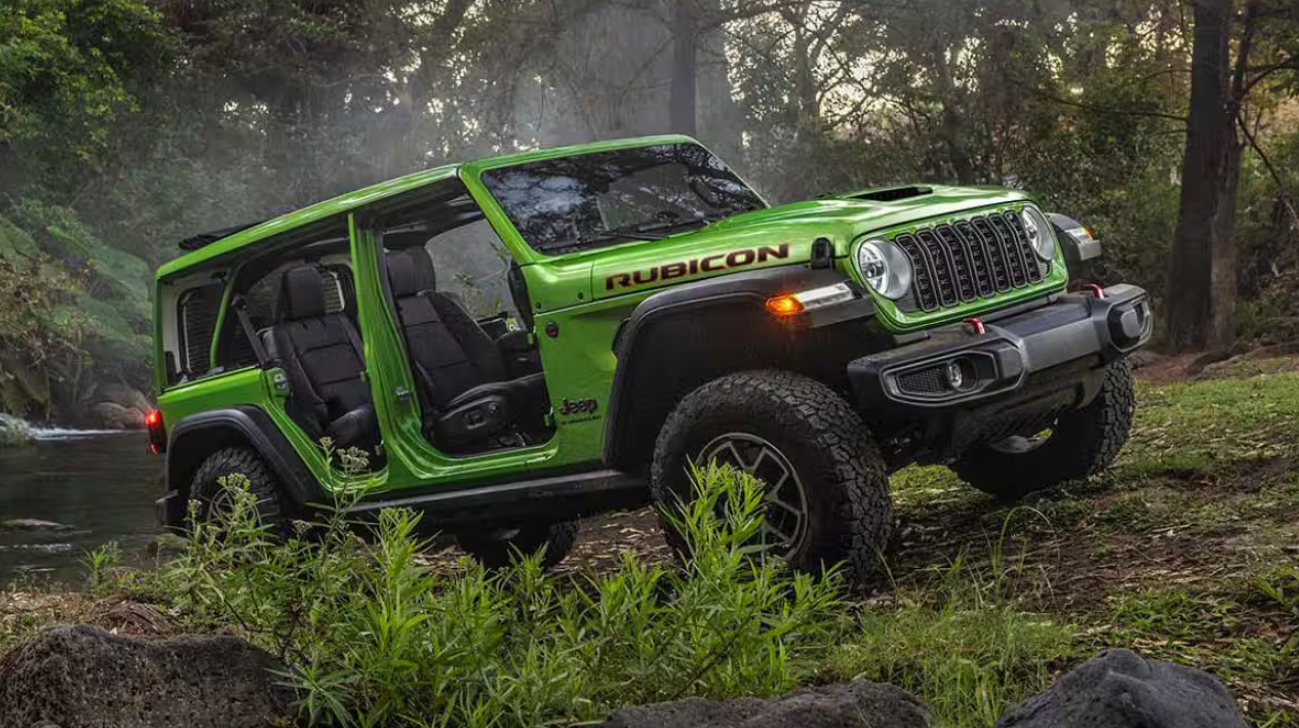
Green 2026 Jeep Wrangler Rubicon driving off-road

Shopping for a serious off-road vehicle means going beyond flashy branding and looking at what actually matters when rubber meets rock. The 2026 Jeep Wrangler Rubicon vs Bronco Badlands debate keeps dominating conversations among trail enthusiasts, and there's good reason for that. These two heavyweights represent completely different philosophies for conquering rough terrain, each bringing distinct engineering approaches to the challenge.

At Bill Volz's Westchester CDJR, we help drivers in Cortlandt Manor and throughout Westchester County match their off-road ambitions with the right vehicle. Working with countless customers who tackle everything from weekend getaways to hardcore trail expeditions has shown us firsthand how these technical differences translate to real-world performance. Ready to see the Wrangler Rubicon's capabilities for yourself? Explore our Jeep inventory and discover what sets this legendary off-roader apart.

2026 Wrangler Rubicon vs Bronco Badlands: Quick Specs Comparison

The Rubicon vs Bronco matchup starts with understanding what each vehicle brings to the table. Both target experienced off-roaders who need genuine capability, not just rugged styling. The Wrangler Rubicon builds on decades of proven engineering and battlefield-tested reliability. The Bronco Badlands? That's Ford's modern take on trail dominance with contemporary technology.

Understanding Ford Bronco vs Jeep Wrangler specs helps clarify which vehicle aligns with your specific needs. Here's how the key off-road capabilities stack up:

Spec CategoryWrangler RubiconBronco Badlands
Max Crawl RatioUp to 100:1*94.75:1 (manual) / 67.80:1 (automatic)
Ground Clearance12.9 inchesUp to 11.6 inches (2-door) / 11.5 inches (4-door) with Sasquatch Package
Approach Angle47.4° (4-door, with 35" tires)43.2° (with 35" tires) / 35.5° (standard)
Breakover AngleUp to 32.4° (2-door w/ 35" tires) / 26.7° (4-door)26.3° (4-door with 35" tires) / 20.0° (4-door standard)
Departure Angle40.4° (4-door)37.0° (4-door with 35" tires) / 29.5° (4-door standard)
Water FordingUp to 35 inches33.5 inches (with Sasquatch Package) / 31.5 inches (standard)

\*With manual transmission and available 4.88:1 axle ratio

The Wrangler's up to 100:1 crawl ratio, superior approach angles, and available 35-inch water fording depth tell the story of Jeep's engineering priorities. Meanwhile, the Bronco counters with competitive ground clearance and a more refined daily driving experience.

Engine options matter too: the Bronco Badlands offers a standard 2.3-liter EcoBoost inline-four delivering 300 horsepower and 325 lb-ft of torque, with an available 2.7-liter EcoBoost V6 bumping output to 330 horsepower and 415 lb-ft of torque.

Axle Technology and Suspension Architecture

Solid Front Axle vs Independent Front Suspension

The most fundamental difference between these vehicles lies beneath their frames. This solid front axle vs independent front suspension debate shapes everything else about how they handle obstacles. The Wrangler's solid front axle connects both front wheels through a single beam, creating mechanical sympathy between the left and right sides.

This design delivers exceptional durability and superior traction on uneven ground. When one wheel climbs over a rock, the opposite wheel stays planted, maintaining contact and grip. The solid axle allows for better articulation, letting the suspension twist and flex to keep tires grounded where independent systems might lift a wheel.

The Bronco's independent front suspension follows completely different logic. It provides a smoother ride on pavement and improved handling during daily driving. Each front wheel moves independently, absorbing bumps without transferring motion to the other side. This makes highway cruising more comfortable and reduces driver fatigue on long trips to trailheads.

What This Means on Rocky Trails

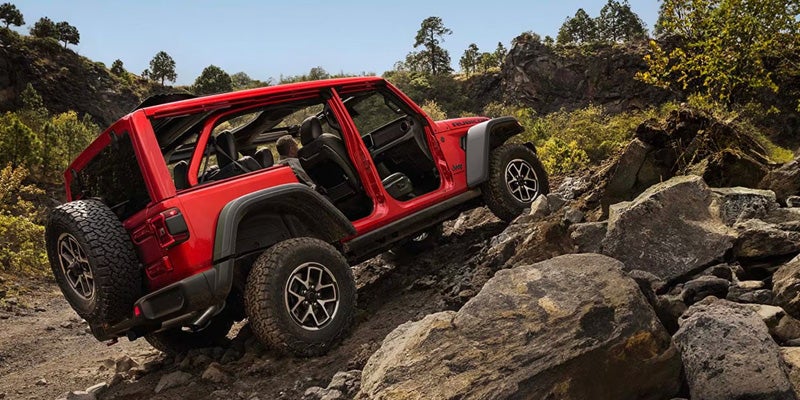
When you're navigating technical terrain around Westchester County's more challenging trails, these suspension differences become immediately obvious. The Wrangler's solid axle forces both front wheels to work together, creating predictable behavior when crossing uneven surfaces. You maintain stability as the vehicle keeps its center of gravity over obstacles.

That forced articulation translates to better tire contact with the ground, which means maintaining traction exactly when you need it most. The mechanical connection between wheels helps the vehicle find grip even when traversing severely angled terrain. This becomes critical during rock crawling, where keeping all four tires engaged determines whether you make the climb or spin helplessly.

The Bronco's independent setup can struggle in extreme scenarios where maximum articulation matters. While perfectly capable for most recreational off-roading, it may lift wheels in situations where the Wrangler keeps rubber on rock. That said, the independent suspension reduces stress on the chassis during normal driving, potentially offering better long-term durability for mixed-use vehicles.

Crawl Ratios and Low-Range Gearing for Technical Terrain

Low-speed control separates serious off-roaders from vehicles that simply look the part. The Wrangler Rubicon delivers its up to 100:1 crawl ratio through the Rock-Trac transfer case with 4:1 low-range gearing, which translates directly to better precision during technical maneuvers. A lower crawl ratio means the engine can turn more slowly while still delivering sufficient torque to the wheels.

This advantage becomes crucial during rock crawling. Maintaining momentum without building dangerous speed requires careful throttle control, and the Rubicon's gearing allows drivers to creep over obstacles at walking pace. This gives you time to react and adjust lines without constantly riding the brakes. You can maintain steady progress up steep inclines while the transmission and transfer case multiply engine torque.

The Bronco offers versatile gearing options that work well for most situations. While it may not provide the same extreme low-speed control as the Rubicon, it delivers sufficient capability for recreational trail running. The trade-off involves slightly less precision during technical crawling in exchange for improved on-road drivability and fuel efficiency. If you're curious how these differences feel in practice, schedule a test drive to experience the Rubicon's crawl ratio firsthand.

Ground Clearance, Approach, and Departure Angles

Rubicon ground clearance numbers tell only part of the story when evaluating off-road capability. The Wrangler's 12.9 inches of ground clearance pairs with exceptional approach and departure angles to create a geometry advantage on technical trails. The Bronco sometimes edges closer with up to 11.5 inches of ground clearance, giving it decent capability when traversing deep ruts or crossing obstacles directly beneath the chassis.

The Wrangler holds a clear advantage with its 47.4-degree approach angle, 26.7-degree breakover angle (4-door) or up to 32.4 degrees on 2-door models, and 40.4-degree departure angle. These angles matter tremendously when navigating steep inclines without scraping bumpers or undercarriage components. The Wrangler's design allows it to climb sharper obstacles without the front bumper contacting the rock face. When descending steep grades, the rear bumper clears obstacles that might catch on vehicles with less favorable departure angles.

The Bronco vs Wrangler size comparison reveals interesting differences in how these vehicles package their capability. Both maintain relatively compact footprints for maneuvering tight trails, but their dimensional choices affect breakover angles and overall agility. The Wrangler's shorter wheelbase options provide tighter turning circles, valuable when navigating switchbacks or threading through trees common on trails within an hour of Cortlandt Manor.

Locking Differentials and Traction Management Systems

Electronic Lockers and Disconnecting Sway Bars

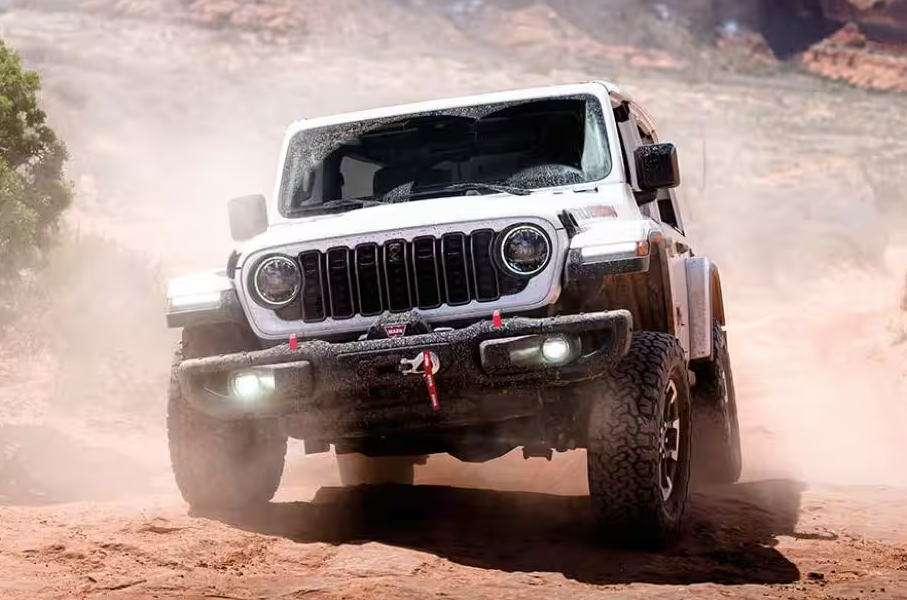
Modern traction technology has transformed off-road capability. Both vehicles showcase advanced systems, but electronic lockers and disconnecting sway bars represent key features that separate capable vehicles from pretenders. The Rubicon's electronic sway bar disconnect stands out as particularly effective, allowing dramatically increased wheel articulation when conditions demand maximum flex.

Locking differentials force both wheels on an axle to rotate at the same speed, preventing power from flowing uselessly to a spinning tire. The Wrangler Rubicon includes Tru-Lok electronic locking differentials at both front and rear axles, providing maximum traction when all four wheels need equal power distribution. This becomes essential when climbing over rocky obstacles where any wheel lift means lost momentum.

The disconnecting sway bar feature deserves special attention. Sway bars reduce body roll during cornering by mechanically connecting left and right sides of the suspension. While beneficial for on-road handling, they limit articulation off-road. Electronically disconnecting the front sway bar lets the Wrangler's suspension twist freely, maintaining tire contact over dramatically uneven terrain.

Terrain Modes and Trail Technology

The Bronco's Terrain Management System includes seven G.O.A.T. Modes (Goes Over Any Type of Terrain), providing settings tailored for different environments and enhancing adaptability across various conditions. These preset configurations adjust throttle response, transmission behavior, traction control intervention, and other parameters to optimize performance. Rock crawl mode, for instance, calibrates systems completely differently than sand mode or mud mode.

The Wrangler counters with its Off-Road Pages package, offering extensive trail data and navigation tools. This system displays real-time information including pitch, roll, altitude, and pressure readings. Having this data readily available helps drivers make informed decisions about whether they can safely navigate upcoming obstacles.

Both systems contribute to more enjoyable and safer off-roading experiences. The choice between preset modes versus detailed information displays often comes down to personal preference and experience level. Our team at Bill Volz's Westchester CDJR can walk you through how each system works, so view our new vehicle selection and let us demonstrate these features in person.
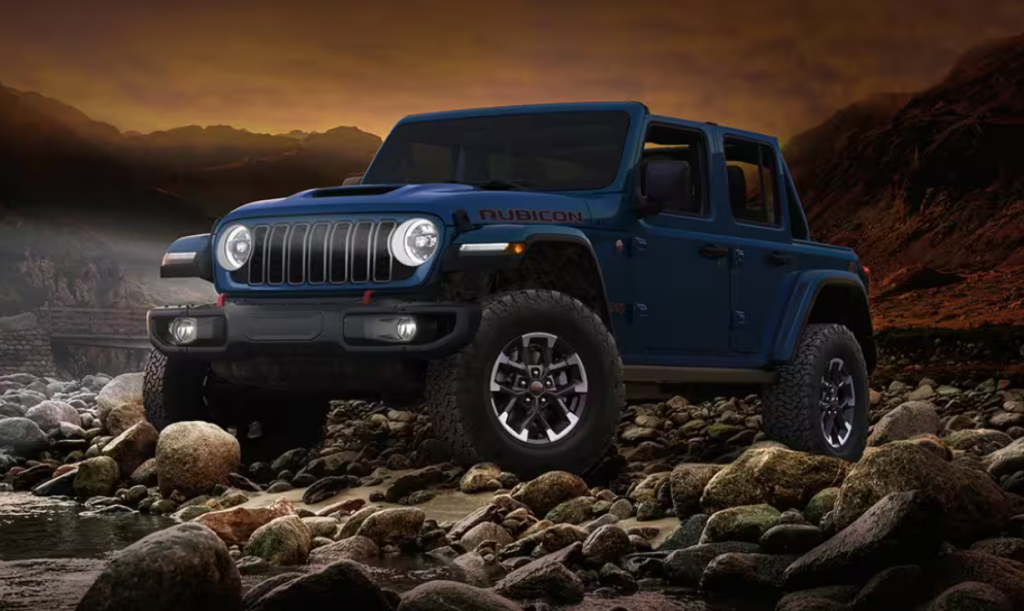
Blue 2026 Jeep Wrangler Rubicon

Trail-Ready Design and Durability Features

Trail-ready design and durability features extend beyond mechanical components to overall construction philosophy. The Jeep Rubicon vs Ford Bronco comparison includes materials, weatherproofing, and practical considerations for vehicles that regularly get muddy, wet, and dirty.

Undercarriage Protection and Build Quality

The Wrangler's rugged build emphasizes easy cleanup after messy adventures, with drain plugs and removable floor materials. Steel bumpers, rock sliders, and skid plates protect vulnerable components from trail damage. Both vehicles offer these features, though their coverage and robustness vary significantly.

The Rubicon comes equipped with heavy-duty rock rails and reinforced undercarriage protection as standard equipment, recognizing that serious trail running inevitably means contact with obstacles. This protection matters for Westchester County drivers who push their vehicles on demanding trails, and our service department has the expertise to maintain these systems properly.

Wet Weather and Water Crossing Capability

The Bronco incorporates marine-grade materials and drainable interiors, emphasizing readiness for wet and challenging conditions. Its 33.5-inch water fording depth actually falls short of the Wrangler Rubicon's available 35-inch rating. This approach appeals to drivers who frequently encounter water crossings or muddy terrain. Both philosophies work effectively, just with slightly different priorities in how they address the reality of off-road vehicle ownership.

Removable Doors and Tops

Removable doors and tops enhance the open-air experience that makes off-roading special. The Wrangler's legendary door and top removal system remains unmatched for simplicity and versatility. The Bronco offers removable tops, but the process typically involves more complexity and time compared to the Wrangler's tool-free approach.

Which Off-Roader Wins for Westchester Area Trails

The Wrangler vs Bronco decision ultimately depends on matching capabilities to your specific needs and priorities. For drivers prioritizing ruggedness, technical capability, and proven off-road performance, the Wrangler Rubicon often emerges as the preferred choice. Its solid front axle, superior articulation, and class-leading low-speed gearing deliver advantages when tackling challenging terrain around Westchester County and beyond.

The Bronco appeals to drivers seeking modern technology and versatile performance across varied conditions. Its independent front suspension provides better daily drivability, while still offering legitimate off-road capability for most recreational situations. If your off-roading involves more forest service roads and moderate trails than extreme rock crawling, the Bronco's balanced approach might suit you better.

Consider how you'll actually use the vehicle. Weekend warriors who occasionally venture onto maintained trails have different needs than dedicated enthusiasts who seek out technical challenges. The Wrangler excels when pushed to extremes. The Bronco offers a more refined overall package for mixed use.

Visit Bill Volz's Westchester CDJR

At Bill Volz's Westchester CDJR, we encourage test drives and honest conversations about your off-road ambitions. Our factory-trained technicians understand these vehicles inside and out, and we're here to help you make an informed decision. The Wrangler Rubicon represents proven capability backed by decades of trail-tested engineering from Stellantis.

Both the Jeep vs Bronco represent legitimate off-road capability, just with different strengths and trade-offs. Contact our team to discuss which approach aligns better with your plans for exploring the trails around Westchester and beyond. The right off-road vehicle amplifies your adventures rather than limiting them, and that decision deserves careful consideration based on real capability, not just marketing hype.
Posted in:

Related Posts

White 2026 Jeep Wrangler Rubicon

Comparing 2026 Jeep Wrangler Trims (Sport, Sahara, Rubicon)

The Jeep Wrangler has been around long enough to become a genuine cultural fixture. It draws a crowd wherever it parks, and the 2026 Wrangler is no exception. If you're seriously considering one, figuring out which trim actually fits how you live and drive matters more than anything else. The Sport, Sahara, and Rubicon each have a distinct personality, and knowing the difference before you sign anything can save you real money and real regret. more Why the 2026 Jeep Wrangler Still Turns Heads in the Hudson Valley The Hudson Valley is genuinely good Wrangler country. Between the Catskill foothills, the rocky forest roads in Harriman State Park, and the winding back routes connecting small towns throughout Westchester County, this region rewards drivers who want capability without sacrificing personality. The Wrangler fits that environment naturally. What makes the 2026 model especially compelling right now is how well it balances modern features with its classic identity. The removable doors, fold-down windshield, and open-air freedom that defined early Wranglers are still there. Layered over that foundation are updated technology and refined powertrains that make the vehicle genuinely comfortable for the kind of mixed-use driving most Hudson Valley residents actually do, whether that's a morning highway commute or a Saturday on a forest trail. 2026 Jeep Wrangler Trims at a Glance: Sport, Sahara, and Rubicon The 2026 Wrangler lineup spans a wider range of trims, including options like the Willys and the high-performance Rubicon 392, but three trims anchor the lineup and account for most of what buyers actually shop. The Sport is the starting point, stripped of excess and priced to welcome first-time buyers. The Sahara sits in the middle, adding comfort and convenience features that make it well-suited for daily use. The Rubicon sits at the top of the off-road spectrum, loaded with hardware that most paved-road drivers will never fully use but trail enthusiasts deeply appreciate. Each trim has a distinct purpose, and the right choice depends heavily on how you actually plan to drive. Price is part of that difference, but so are priorities and how you'll spend most of your time behind the wheel. 2026 Jeep Wrangler Sport: Built for Those Who Want the Icon Without the Extras The Sport is what the Wrangler looks like when you remove the noise and focus on the essentials. It's the base trim, and it earns that label without apology. What Comes Standard and Who It Suits Best The Sport delivers the foundational Wrangler experience: body-on-frame construction, solid axles, and skid plates, along with the go-anywhere attitude that made this vehicle legendary. Powered by a 3.6L V6 producing 285 horsepower, it comes with a capable 4x4 system, manual or automatic transmission options, and enough standard tech to keep you connected without turning the cabin into a cockpit. For first-time Wrangler buyers, the Sport is an honest starting point. It doesn't try to oversell itself, and the price reflects that straightforwardness. Younger buyers, budget-conscious shoppers, and anyone who sees the Wrangler as a platform to build on over time rather than a finished product will find it fits well. Customization Potential for Hudson Valley Drivers One of the Sport's quiet strengths is how well it accepts modification. Because it arrives relatively light on factory add-ons, it gives owners a blank canvas. Hudson Valley drivers looking to add a lift kit, custom lighting, a roof rack for kayak season, or a winch for winter recovery all start from a cleaner baseline with the Sport than with higher trims that come pre-loaded. The Mopar parts and accessories catalog available through dealers like Bill Volz's Westchester CDJR makes this even more accessible. Genuine factory-compatible parts mean you can personalize without voiding warranties or compromising the Wrangler's engineering. If you're ready to explore what's available, you can browse our 2026 Jeep Wrangler inventory to see current Sport configurations in stock. 2026 Jeep Wrangler Sahara: Comfort and Character for Everyday Adventures The Sahara is where the Wrangler becomes a vehicle you'd genuinely want to drive every day. It adds comfort, style, and technology without abandoning the Wrangler's core character. Open-Air Features and On-Road Refinements The Sahara builds on the Sport's foundation with upgrades you feel immediately. The interior materials step up noticeably, with better upholstery and more refined trim details. You get improved audio, upgraded tech features including a more advanced digital display, and a more polished dashboard. On the road, the Sahara rides with more composure, which becomes relevant once you're spending real time on highway stretches rather than backroads. The open-air experience, one of the Wrangler's signature features, is also more refined here. The soft top and hardtop options integrate more smoothly, making the transition between enclosed and open-air driving feel less like a project. For drivers who want to drop the top on a fall afternoon through Harriman or pull the doors off for a summer weekend, the Sahara makes that feel effortless. Where the Sahara Finds Its Sweet Spot The Sahara captures a wide range of buyers because it doesn't demand a strong commitment to any single use case. Families appreciate the interior comfort on longer drives, commuters value the on-road refinements, and weekend adventurers get meaningful 4x4 capability when the paved road ends. In the Sport vs. Sahara debate, the choice often comes down to how much you value daily comfort versus how much you enjoy starting from scratch with customization. The Sahara gives you more right out of the box, and for many Hudson Valley buyers, that convenience is worth the additional investment. 2026 Jeep Wrangler Rubicon: Ready for Every Trail the Hudson Valley Can Throw at You The Rubicon is what happens when Jeep engineers are given permission to prioritize off-road performance above nearly everything else. It's impressive, and it's unapologetically focused. Off-Road Hardware That Sets It Apart The Rubicon's off-road capability comes from purpose-built hardware, not marketing. Electronic locking front and rear differentials provide traction on surfaces that would strand most vehicles. The Dana 44 axles are stronger and more durable than what you find on lower trims. Heavy-duty rock rails protect the body during technical trail driving, and the electronic sway bar disconnect dramatically increases axle articulation on uneven terrain. Add in the aggressive all-terrain tires, upgraded suspension tuning, and reinforced skid plates, and you have a vehicle that handles rocks, mud, and the kind of ruts that would leave a lesser truck sideways without much drama. This hardware package comes at a clear cost, and it shows up directly in the Rubicon's price. Is the Rubicon Overkill for Everyday Driving If your daily route consists of the Taconic State Parkway, Route 9, and the occasional grocery run, the Rubicon's trail-focused suspension and aggressive tires will feel like wearing hiking boots to a dinner party. That's worth acknowledging honestly. The Rubicon isn't uncomfortable on pavement, though. Its on-road manners have improved with each generation, and many owners drive them daily without major complaints. The more relevant consideration is whether you'll actually use what you're paying for. If you trail ride regularly, explore forest roads in the Catskills, or want maximum off-road confidence for a serious overland trip, every feature on the Rubicon earns its place. If your off-road moments are rare and casual, the Sahara likely serves you better. Choosing Your 2026 Wrangler Trim: A Practical Guide for Hudson Valley Lifestyles Understanding the trim levels in theory is one thing. Matching them to your actual daily reality is more useful. The Wrangler lineup is designed around distinct driver profiles, and knowing which one fits you makes the comparison much more actionable. On-Road Commuter or Weekend Cruiser If your primary use is getting to work, running errands, and occasionally taking weekend road trips, the Sport or Sahara deserves your closest attention. The Sport keeps costs manageable and still delivers the Wrangler personality. The Sahara adds enough daily comfort to make the vehicle feel like a genuine pleasure to drive. Both handle the mixed terrain of the Hudson Valley well, and neither demands that you justify your purchase with regular off-road adventure. The Off-Road Enthusiast and Trail-Seeker For drivers who know their way around a trail map and spend real time on unpaved surfaces, the Rubicon is the honest answer. The differences between it and the lower trims aren't cosmetic; they're structural. The locking differentials and sway bar disconnect, combined with reinforced axles, create a capability gap that aftermarket upgrades on the Sport or Sahara won't fully close. If trails are a regular part of your life, buying the Rubicon upfront makes more sense than building toward it later. The Buyer Who Wants a Little of Everything Many Hudson Valley buyers fall somewhere in between, wanting daily drivability but not wanting to feel limited when adventure calls. The Sahara is purpose-built for exactly this person. It offers a noticeably upgraded interior and solid technology features, all wrapped in the Wrangler's unmistakable design. You give up some of the Rubicon's extreme off-road hardware, but you gain genuine everyday comfort without losing the open-air freedom and rugged personality that drew you to the 2026 Wrangler in the first place. Find Your 2026 Jeep Wrangler at Bill Volz's Westchester CDJR Reading about the trim levels is a good foundation, but sitting inside each one and talking through your specific needs with someone who actually knows the lineup is a different experience. Bill Volz's Westchester CDJR, located at 2293 Crompond Rd in Cortlandt, NY, carries the full 2026 Wrangler lineup and gives you the chance to see the Sport, Sahara, and Rubicon in person. The team here brings genuine knowledge of these vehicles and a no-pressure approach to the buying process, which matters when you're making a decision this size. You can talk through trim comparison details, work through financing options, or schedule a test drive on local roads that actually reflect how you'll use the vehicle. Ready to get started? You can browse our 2026 Jeep Wrangler inventory online before you visit, or explore our new Jeep vehicles if you want to see everything we currently have available. Factory-trained technicians on site mean your Wrangler gets proper care long after the purchase, which is exactly what you want from a vehicle built to last.

Gray 2026 Jeep Grand Cherokee facing front

2026 Jeep Grand Cherokee Trim Guide

Picking the right SUV trim can feel overwhelming, especially when a lineup has this much range. The 2026 Grand Cherokee runs from a well-equipped base model all the way up to a fully loaded luxury flagship, and each step in between is designed to meet real-world needs. Whether you're doing school drop-offs in Cortlandt, hitting trails in the Hudson Valley, or making regular runs up to the Catskills, there's a trim built for that. Before you commit, it's worth knowing exactly what each one gets you and where the meaningful differences lie. Browse our current 2026 Grand Cherokee inventory to see what's available while you read. more What Makes the 2026 Jeep Grand Cherokee Worth a Closer Look The 2026 Grand Cherokee continues Jeep's tradition of blending trail-tested capability with the interior comfort and technology you'd expect from a premium vehicle. Every trim in the six-trim lineup comes standard with a 12.3-inch Uconnect 5 NAV touchscreen, Apple CarPlay, and Android Auto, so even entry-level buyers aren't starting from scratch. A Hands-Free Active Driving Assist System is available across the lineup as well. Engine choices give buyers real flexibility, and the Hurricane turbo engine broadens the appeal as you move up the range. Safety technology is well-represented at every level, and the interior is spacious and thoughtfully laid out, with room to upgrade depending on how much you're willing to spend. That's exactly why it's worth taking the time to understand the 2026 Jeep Grand Cherokee trim structure before you buy. Breaking Down Every 2026 Jeep Grand Cherokee Trim Level The Grand Cherokee lineup is structured so that each step up adds meaningful features rather than superficial extras. Understanding the progression helps you figure out where your budget and priorities intersect. Laredo: The Smart Starting Point The Laredo is where the 2026 Grand Cherokee begins, and it's a stronger starting point than most entry trims tend to be. It comes equipped with the standard 12.3-inch Uconnect 5 NAV touchscreen, Apple CarPlay and Android Auto, and a capable foundation for daily commuting and errands. There's nothing bare-bones about it. For drivers who want reliable daily transportation without overspending, the Laredo delivers exactly that. Laredo X: More Comfort, Same Solid Foundation The Laredo X takes everything the base Laredo does well and layers in daily-use comfort. Buyers gain heated front seats, a heated steering wheel, a power liftgate, a sunroof, and a wireless charging pad. This trim makes sense for buyers who want something a step above the standard without climbing too far up the range. It's a practical choice dressed up just enough to feel special on the weekend. Laredo Altitude: Dark Accents and Added Capability If visual presence and expanded capability matter to you, the Laredo Altitude delivers on both. It adds the Hurricane turbo engine, Selec-Terrain 4x4, and driver-assist features including Traffic Sign Recognition and Intersection Collision Assist. Darker exterior styling gives it a more aggressive, purposeful look. Style and substance actually work together here, which isn't always the case at this price point. Limited: The Sweet Spot for Families and Daily Commuters The Limited builds on the Laredo's content with a meaningful jump in refinement. Leatherette upholstery, heated second-row seating, a nine-speaker Alpine premium audio system, and ambient interior lighting come together in an SUV that genuinely works for family life. Whether it's morning commutes on the Taconic or loading up for a weekend away, the Limited handles both with a comfort level that makes every mile feel less like a chore. The Grand Cherokee lineup previously offered a 4xe plug-in hybrid powertrain, but that option has been discontinued for 2026. Limited Reserve: Elevated Comfort for the Long Haul The Limited Reserve is where long-distance travel gets a serious upgrade. Over the Limited, buyers gain 20-inch black wheels, body-color lower fascias, Nappa leather seats, ventilated front seats, a dual-pane sunroof, darkened exterior accents, a digital rearview mirror, and an integrated off-road camera. It's designed for drivers who spend meaningful time in their vehicle and don't want to feel like they're making compromises. If you frequently take extended drives through Westchester or up through the Hudson Valley, the added comfort features here make a real difference. Summit: Refined Luxury Meets Everyday Versatility The Summit is where the 2026 Grand Cherokee fully shifts into luxury SUV territory. Oak and Liquid Chrome interior accents, Palermo leather seats, a suede headliner, driver and passenger massaging seats, Quadra-Drive II 4x4 with air suspension, and a 19-speaker McIntosh audio system make this a genuinely premium product. The Summit delivers top-tier luxury while maintaining the Grand Cherokee's go-anywhere capability. What keeps the Grand Cherokee grounded even at this level is its inherent versatility. It doesn't ask you to choose between looking sharp on a Monday morning and being ready for a trail on Saturday, and that's a rare quality at this price point. A Side-by-Side Look at Key Features Across the Lineup When you lay the 2026 Jeep Grand Cherokee trims out side by side, the progression becomes clear and logical. Trim Best For Overall Feel Notable Features Laredo Everyday commuting Capable, no-frills 12.3" Uconnect 5 NAV, Apple CarPlay/Android Auto Laredo X Comfort-focused daily use Practical, refined Heated seats, heated wheel, sunroof, wireless charging Laredo Altitude Commuters who want capability Sporty, tech-forward Hurricane turbo engine, Selec-Terrain 4x4, driver-assist features Limited Families, road trips Balanced luxury Alpine audio, leatherette, heated rear seats, Hurricane turbo engine Limited Reserve Long-distance drivers Premium comfort Nappa leather, ventilated seats, dual-pane sunroof, off-road camera Summit Luxury seekers Full flagship Palermo leather, McIntosh audio, massaging seats, Quadra-Drive II 4x4, air suspension Knowing where each trim sits on the capability and comfort spectrum is the most efficient way to narrow down which 2026 Grand Cherokee configuration actually fits your life. How the Grand Cherokee Trims Fit Life in Westchester County and the Hudson Valley Living in Westchester County means your vehicle needs to handle a wide range of scenarios. You might be stuck in congestion around Cortlandt or White Plains one morning and then heading up toward the Catskills that same afternoon, sometimes with a full load of gear. Commuters and Budget-Conscious Buyers The Laredo, Laredo X, and Laredo Altitude are natural fits for daily commuters. The Laredo covers the fundamentals well, the Laredo X adds heated seats and a sunroof for those cold Hudson Valley mornings, and the Laredo Altitude brings the Hurricane turbo engine and Selec-Terrain 4x4 for anyone who wants extra confidence on slick or uneven roads in the winter months. Families and Weekend Travelers The Limited and Limited Reserve are built for family life. Heated second-row seating, premium audio, and expanded safety features reduce fatigue on familiar roads and make longer trips more enjoyable. The Limited's Hurricane turbo engine and available 4x4 capability make it a well-rounded option for families who want performance and SUV capability for daily school and errand runs. Premium Buyers and Highway Cruisers The Summit is the right choice for drivers who want an SUV that reflects a premium lifestyle without sacrificing go-anywhere capability. Long highway stretches up the Hudson Valley feel genuinely different with massaging seats, a McIntosh audio system, and air suspension absorbing the miles. Across the lineup, the Grand Cherokee's standard all-weather capability makes it a sensible year-round choice in Westchester, where snow, slush, and rain are reliable seasonal visitors. Which 2026 Grand Cherokee Trim Matches Your Lifestyle? Choosing between Grand Cherokee trims comes down to an honest conversation about how you actually use your vehicle. Here's how each one tends to fit a specific type of buyer: The Laredo suits drivers who want reliable daily transportation without paying for features they'll rarely use. The Laredo X is a natural fit for the daily driver who wants heated seats, a sunroof, and wireless charging without a significant price jump. If you want the Hurricane turbo engine, Selec-Terrain 4x4, and a sportier look, the Laredo Altitude is the one to consider. The Limited works well for family-focused buyers who want premium audio, leatherette, heated rear seats, and the Hurricane turbo engine. Drivers who spend serious time on the road and want ventilated Nappa leather seats and a dual-pane sunroof will find the Limited Reserve worth the step up. And the Summit is for buyers who want the full flagship package: massaging seats, McIntosh audio, Quadra-Drive II 4x4, and height-adjustable air suspension. It's also worth reaching out about ordering timelines sooner rather than later, particularly for popular configurations that tend to move quickly. Find Your 2026 Jeep Grand Cherokee at Bill Volz's Westchester CDJR Bill Volz's Westchester CDJR carries the full range of 2026 Jeep Grand Cherokee trims, giving you the opportunity to compare models in person rather than guessing from a screen. Located at 2293 Crompond Rd in Cortlandt, NY, we've been serving Westchester County and the surrounding Hudson Valley communities with a straightforward, family-oriented buying experience. Our team knows the Grand Cherokee lineup well and can walk you through the differences between trim levels in plain terms, helping you match features to your actual needs. Test drives are available across our inventory, and our finance department works to find competitive rates and flexible payment plans. Factory-trained technicians in our service department also mean your Grand Cherokee will receive proper care long after you drive it off the lot. When you're ready to take the next step, explore our new Jeep vehicles in Cortlandt or go straight to our Grand Cherokee listings to see which trims are currently in stock. Contact us with any questions and we'll be glad to help.

Gray 2026 Jeep Grand Wagoneer

2026 Jeep Grand Wagoneer vs. 2026 Cadillac Escalade: Luxury SUV Faceoff

Picking between the 2026 Jeep Grand Wagoneer and the 2026 Cadillac Escalade isn't just a matter of choosing a luxury SUV. It's really about knowing what kind of driver you are and what you need this vehicle to actually do. Both are full-size, three-row flagships sitting at the top of the market, but they arrived there from completely different directions. The Grand Wagoneer is built around versatility and rugged confidence, without sacrificing an ounce of refinement. The Escalade is rooted in heritage, prestige, and that signature opulent polish Cadillac has delivered for decades. We put them side by side so you can make a genuinely informed call. If you're ready to browse the new Jeep Grand Wagoneer inventory at our Cortlandt Manor dealership, we're here to help you find your fit. Both vehicles are engineered for families, executives, and anyone who expects premium treatment on every drive. But how each one delivers that experience says a lot about its priorities. This comparison works through performance, interior quality, technology, cargo space, and value so you can decide with real confidence. more Pricing and Value: Where Your Money Goes in Each Model Pricing matters here, maybe more than people expect. The Grand Wagoneer has been strategically repositioned to offer stronger value across its trim lineup, giving buyers more capability and standard features at a competitive price point. When you break down what each dollar actually buys in terms of real-world utility and included equipment, the Grand Wagoneer makes a genuinely compelling case. The Escalade carries a premium that reflects brand legacy and its long-standing reputation as a status symbol. That heritage is real, and for buyers who care about the image their vehicle projects, it carries weight. But buyers focused on maximizing capability, practicality, and feature content relative to cost will find the Grand Wagoneer harder to dismiss. Performance That Commands Attention These two vehicles take noticeably different approaches to performance. Both deliver confident, highway-ready power, but their engineering priorities diverge in ways that matter depending on how you drive and what you haul. Hurricane Twin-Turbo vs. Cadillac's V8: Power, Towing, and Efficiency The Grand Wagoneer's 3.0L Hurricane Twin-Turbo inline-six puts out 420 horsepower at 5,200 rpm and 468 lb-ft of torque at 3,500 rpm. That combination supports a maximum tow rating of 10,000 lbs, making it a legitimate workhorse for anyone pulling boats, trailers, or campers. The twin-turbo setup delivers responsive acceleration that feels more dynamic than a traditional V8. The Escalade runs a 6.2L V8 producing 420 horsepower at 5,600 rpm and 460 lb-ft of torque at 4,100 rpm, with a maximum tow rating of 8,000 lbs. Smooth and capable, no question. Where the Grand Wagoneer pulls clearly ahead is fuel efficiency: 17 city / 24 highway / 19 combined mpg versus the Escalade's 14 city / 18 highway / 16 combined mpg. That works out to roughly 636 miles of highway range on a 26.5-gallon tank, compared to about 432 miles on the Escalade's 24-gallon tank. For anyone doing a serious powertrain comparison with real-world driving in mind, those numbers speak for themselves. Off-Road Capability and All-Terrain Confidence This is where the gap becomes especially clear. Jeep built off-road capability into the Grand Wagoneer from the ground up. It offers available Quadra-Drive II 4x4 and available Quadra-Lift air suspension delivering up to 10 inches of ground clearance, and selectable terrain modes that adapt the drivetrain to specific surface conditions. Muddy back roads, loose gravel, uneven trails across the Hudson Valley, the Grand Wagoneer handles all of it. The Escalade is engineered for smooth urban streets and open highways. It handles bad weather well and offers capable all-wheel-drive performance, but off-road ruggedness was never part of its design brief. Buyers planning weekend getaways beyond paved roads will find the Grand Wagoneer far better equipped. Interior Craftsmanship and Cabin Comfort Step inside either vehicle and you'll immediately understand why both belong in the luxury category. High-quality materials, thoughtful layouts, and genuinely comfortable seating define both cabins. The differences come down to philosophy, not quality. Dashboard Design, Materials, and Three-Row Passenger Experience The Grand Wagoneer's up to 75 inches of total touchscreen display space is one of the most striking in class. The layout prioritizes usability across all three rows, and seating accommodates up to 8 passengers with available 24-way power front seats. Third-row passengers aren't treated as an afterthought, which matters enormously to larger families who actually use all seven or eight seats on a regular basis. The Escalade's cabin leans into traditional luxury with a 55-inch diagonal curved LED display as the centerpiece. Plush seating, rich finishes, and a sense of occasion that's genuinely hard to match. For buyers who want their interior to feel like a premium lounge, the Escalade delivers that consistently. Cargo Versatility and Everyday Practicality The Grand Wagoneer offers more usable space behind the third row than the Escalade. Families feel that difference on every grocery run, school trip, and road vacation. Its flexible storage design handles larger items without forcing you to fold seats and lose passenger capacity. The Escalade is spacious by most standards, but cargo volume behind the third row doesn't match what the Grand Wagoneer provides. If everyday practicality is a real priority, the Grand Wagoneer holds a clear edge. Technology and Infotainment: The Digital Experience Inside Each Cabin Both vehicles pack serious technology into their cabins, but their approaches to the in-cabin digital experience are distinct. Screens, Connectivity, and Driver Assistance Features The Grand Wagoneer runs Uconnect 5, with wireless Apple CarPlay and Android Auto, a driver display, and a 10.25-inch front passenger screen. Rear-seat entertainment keeps back-row passengers independently occupied on long drives. The system also includes a 360-degree camera, night vision, and a solid suite of standard driver assistance features, which means the package feels thoroughly considered rather than pieced together through option boxes. The Escalade centers its tech around that large curved OLED display. Visually striking, and it creates a genuinely modern, unified interface. Cadillac's Super Cruise, a hands-free highway driving system available on higher trims, is impressive for long-distance freeway commuters. HD surround vision rounds out the premium tech offering. Both vehicles include automatic emergency braking and pedestrian detection as standard. Where the Grand Wagoneer differentiates itself is how much of its advanced technology comes included at lower trim levels rather than locked behind an upgrade. To experience both systems in person, book a test drive or explore financing with our team before you commit. Grand Wagoneer vs. Escalade: Side-by-Side Specs at a Glance Spec 2026 Jeep Grand Wagoneer 2026 Cadillac Escalade Engine / Powertrain 3.0L I6 Hurricane Twin-Turbo 6.2L V8 Horsepower & Torque 420 hp / 468 lb-ft 420 hp / 460 lb-ft Max Towing 10,000 lbs 8,000 lbs Fuel Economy (City/Hwy/Combined) 17/24/19 mpg 14/18/16 mpg Dashboard Screen Up to 75 inches of total touchscreen display space 55-inch diagonal curved LED Drivetrain Options RWD / AWD / 4x4 RWD / AWD Which Luxury SUV Fits Your Lifestyle? The Honest Verdict Both are excellent vehicles. The real question is which one matches your actual life, not just your aspirations. Choose the 2026 Cadillac Escalade If... The Escalade makes the most sense if brand prestige matters to you and the bulk of your driving happens in urban or suburban settings. It excels at smooth highway cruising, Super Cruise is a legitimately useful feature for long freeway commutes, and if you want a cabin that feels like a high-end retreat wrapped in a stunning package, the Escalade delivers that consistently. Choose the 2026 Jeep Grand Wagoneer If... The Grand Wagoneer is the stronger fit if you need your luxury SUV to work as hard as it looks. Families across Westchester who want genuine three-row practicality, a 10,000-lb tow rating, real off-road readiness for terrain beyond the parkway, and strong cargo versatility will find it better aligned with daily demands. It doesn't ask you to choose between adventure and refinement. Put both vehicles side by side with a practical lens, and the Grand Wagoneer is the more capable choice for buyers who want more from their SUV without giving up comfort or quality. Experience the 2026 Grand Wagoneer Near Cortlandt at Bill Volz's Westchester CDJR If the Grand Wagoneer has your attention, the best next step is getting behind the wheel. Bill Volz's Westchester CDJR is located in Cortlandt Manor, NY, and serves drivers throughout Westchester County and the broader Hudson Valley. We carry new Jeep vehicles at our Cortlandt location and offer a straightforward, pressure-free buying experience. Whether you're ready to purchase, want to talk through financing, or just want to put the Grand Wagoneer through its paces, reach out to our team and we'll get you set up. Sometimes the best comparison happens from the driver's seat.