




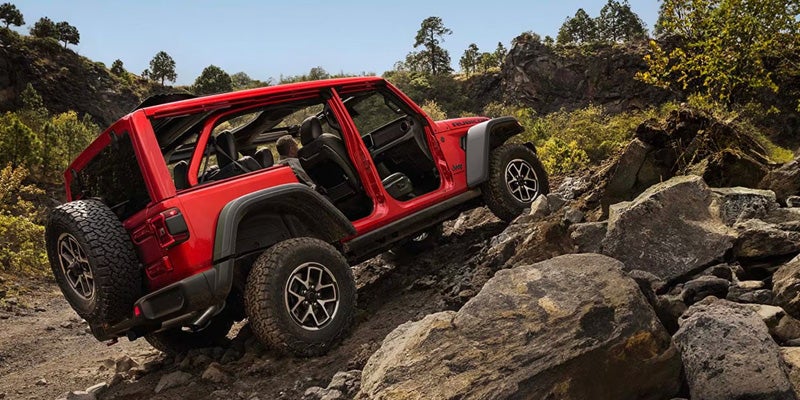
If you're weighing a Wrangler or Grand Cherokee purchase, you've probably typed "are Jeeps reliable" into a search bar more than once. Fair question. Jeep built its brand on rugged capability, but capability and long-term dependability don't always travel together. Below, we break down what actually drives 2026 Jeep reliability, where the lineup shines, and where owners should stay proactive with maintenance.
Is the 2026 Jeep Lineup Reliable?
The 2026 Jeep lineup holds up well when owners stick to scheduled maintenance. Jeep quality has steadily improved over the past several model years, with better electronics, tighter build tolerances, and more refined powertrains than older generations offered. Still, no vehicle is problem-free. Jeep reliability tends to hinge on engine choice, driving conditions, and how consistently a vehicle gets serviced. Westchester County drivers dealing with salt, potholes, and highway miles should pay particular attention to maintenance intervals, which we'll cover later in this guide.
If you're ready to compare trims in person, you can browse new Jeep vehicles for sale in Cortlandt and see current inventory firsthand.
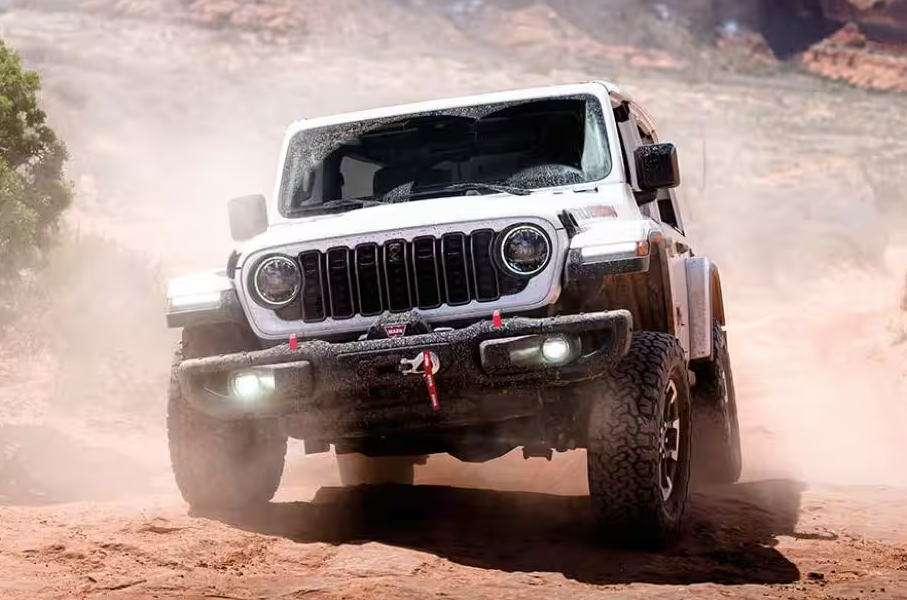
Is the 2026 Jeep Wrangler Built to Last?
Generally, yes. J.D. Power gives the 2026 Wrangler an 85 out of 100 for Quality & Reliability, which lands in the "Great" band on its 100-point scale.
Two things work in its favor long term. The body-on-frame design keeps most repairs accessible, and parts are cheap and widely available because Jeep has built this platform in volume for years. Your technician has almost certainly seen your problem before.
Engine choice matters more than trim level. The 3.6L Pentastar V6 is standard on Sport, Sport S, Willys, Rubicon, and Rubicon X and has the longest field record of the three. The 2.0L turbo four is standard on Sahara and available elsewhere. The 6.4L HEMI V8 returns exclusively in the new Moab 392, replacing the retired Rubicon 392. If dependability is your priority, we generally point people toward the V6.
On towing, the Wrangler ranges from 2,000 lbs on 2-door models up to a best-in-class 5,000 lbs on properly equipped 4-door Rubicons. That top figure depends on a specific transmission, axle ratio, and rear axle combination, so confirm the configuration before you buy.
Do the 2026 Wrangler Updates Affect Reliability?
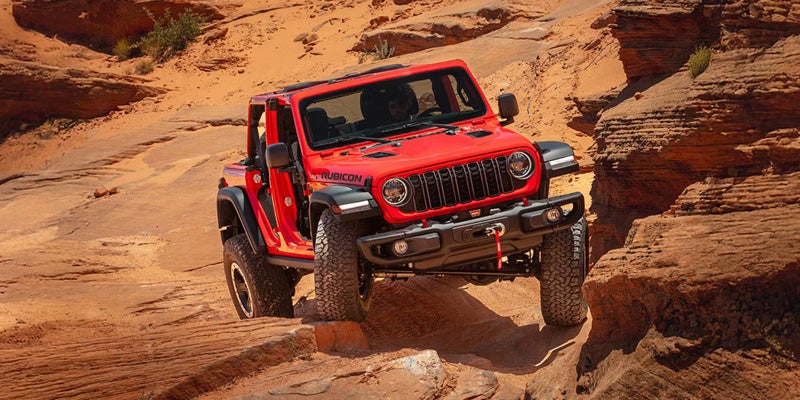
Not meaningfully, and that is a good thing. The Moab 392 is the headline change, but the platform, transmissions, and 4x4 hardware carry over largely unchanged from a generation Jeep has built since 2018. New model years introduce risk when they introduce new engineering. This one mostly does not.
Every 2026 Wrangler remains Trail Rated, with the Command-Trac, Selec-Trac, or Rock-Trac 4x4 system depending on trim. Rubicon models add solid Dana 44 axles, sway-bar disconnects, and heavy-duty transfer cases.
A Rubicon is built for tougher trails than a Sport S, but that does not automatically make it more dependable. The heavier-duty components give you more margin, and that margin only pays off if the fluids get changed. Transfer cases and lockers are durable until they run on contaminated fluid, which is exactly what a salted Westchester winter produces.
Is the Pentastar V6 a Reliable Engine?
Yes, and it is the engine we recommend most often to buyers who put dependability first. The 3.6L Pentastar has been in production since 2011, and examples surpassing 200,000 miles on basic maintenance are common rather than exceptional. The 8-speed automatic paired with it is equally well proven. The advantage is not just longevity. It is predictability. Failure patterns are known, parts are inexpensive, and diagnosis is fast.
One item to watch: the Pentastar can develop oil filter housing and gasket leaks as it ages. It is a straightforward repair, and catching it early is the difference between a routine job and an engine problem. We check for it during regular service.
Is the 2026 Jeep Grand Cherokee Dependable for Daily Driving?
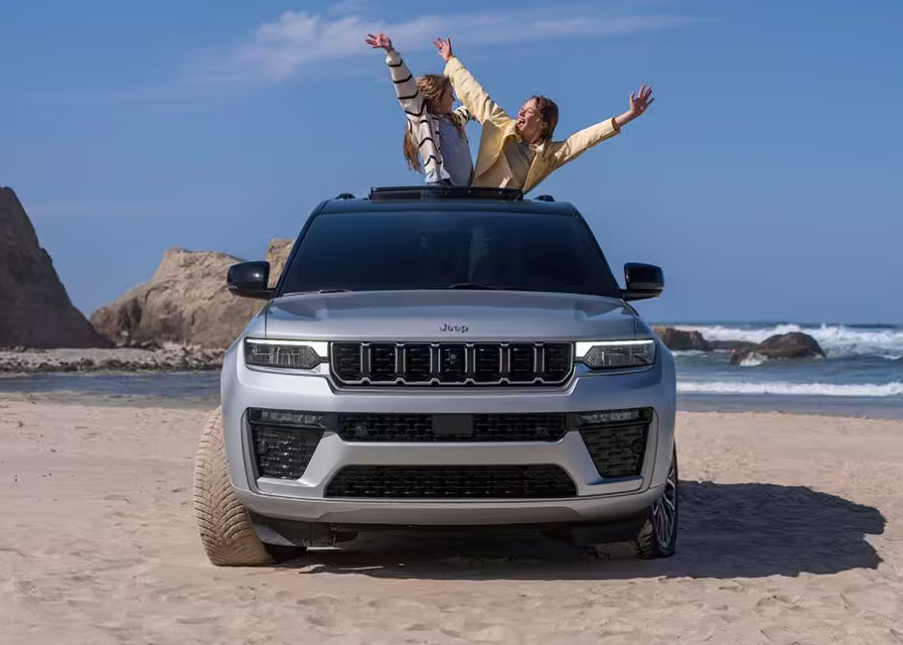
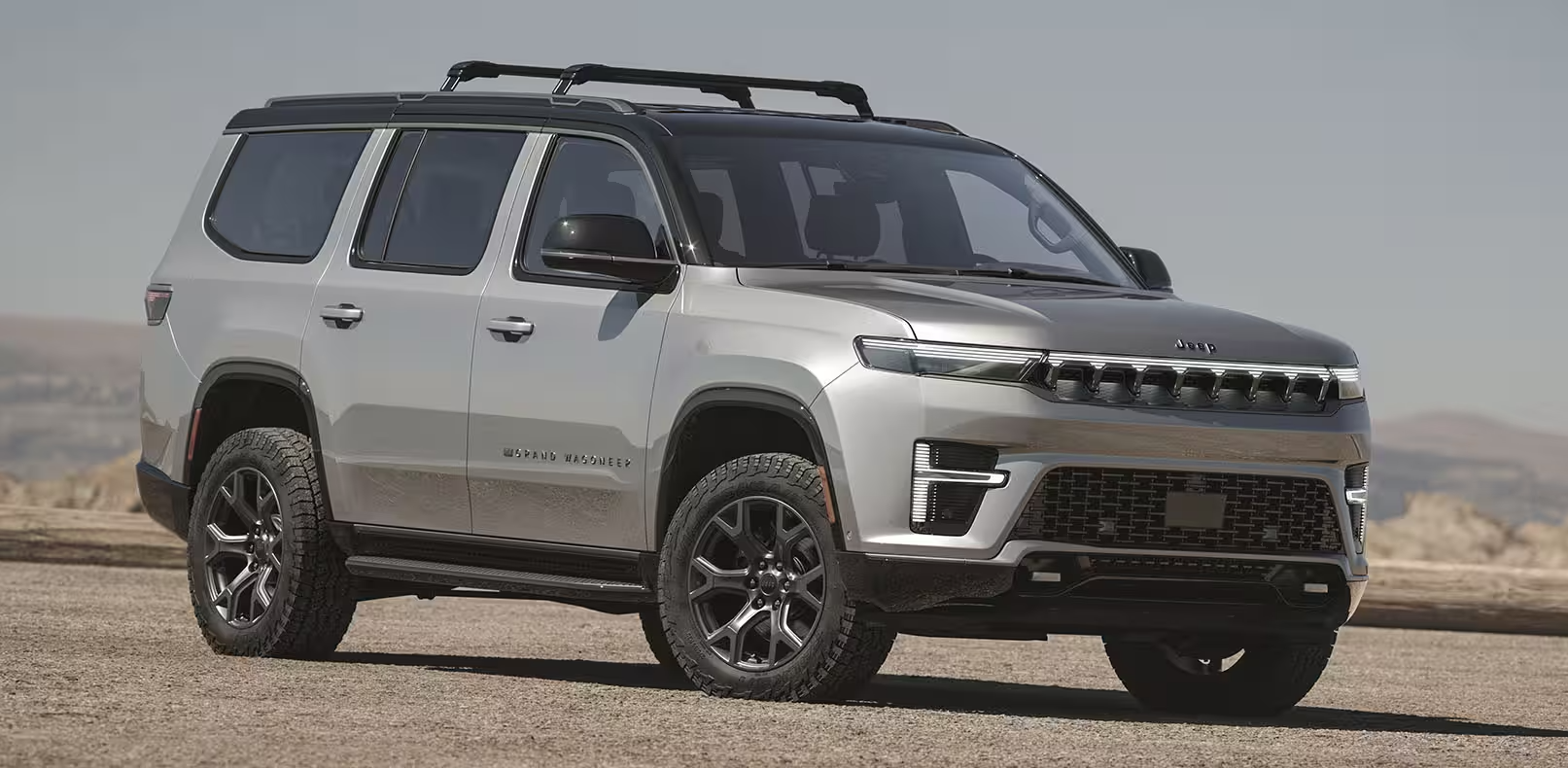
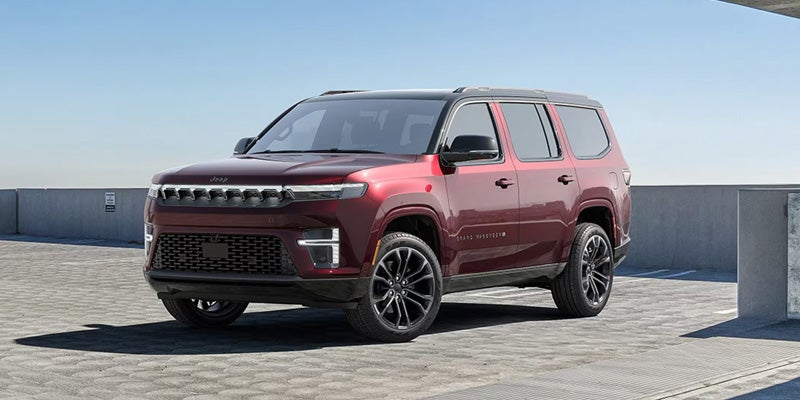
Yes. J.D. Power gives the 2026 Grand Cherokee a predicted reliability score of 81 out of 100, the same "Great" band as the Wrangler. It also earns five stars overall from NHTSA and a Good rating from the IIHS in small overlap front and updated side impact testing. Engine choice is the main reliability decision here, and 2026 changed it. The base Laredo and Laredo X keep the 3.6L Pentastar V6. Everything from the Laredo Altitude package upward moves to the all-new 2.0L Hurricane 4 Turbo.
Being straight about the tradeoff: the Pentastar has powered Grand Cherokees since 2011 and has the field history behind it. The Hurricane makes more power and torque while keeping the same 6,200 lb tow rating, but no new engine has a long-term track record on day one. If a proven service history matters most to you, the Laredo and Laredo X are where you will find it.
Jeep also discontinued the plug-in hybrid 4xe for 2026 as part of a Stellantis-wide phase-out. It had been subject to multiple recalls, including a high-voltage battery fire risk. Existing owners remain covered, and our technicians handle those campaigns.
For 4x4, Quadra-Trac I is available on most trims and the Summit gets Quadra-Trac II, while Selec-Terrain offers five drive modes. If a Grand Cherokee fits your daily routine, take a look at our new SUVs for sale in Cortlandt to see current trim availability.
What Are the Most Common Jeep Reliability Complaints?
Any guide that tells you a vehicle has no known issues is not being useful. Here are the items that come up most often on the current Wrangler generation, and what we do about each one.
Auxiliary battery and stop-start faults. The Wrangler uses a dual-battery setup, and when the auxiliary battery weakens it can produce symptoms that look unrelated to a battery: an "ESS Unavailable" message, audio dropouts, or odd electrical behavior. It is the single most common source of electrical complaints on this platform. We test both batteries during routine service, and replacement is inexpensive compared to chasing the symptoms individually.
Windshield cracking. The Wrangler's windshield sits at a nearly vertical angle, which makes it more vulnerable to stone chips than a raked windshield. This is a design consequence, not a defect. Addressing chips early keeps them from spreading.
2.0L turbo coolant loss. Some turbo four owners report gradual coolant loss. Checking the coolant level between services catches it before it becomes an overheating problem.
Paint bubbling. Reported across several model years and worth inspecting for, particularly given road salt exposure in this area.
None of these are reasons to avoid a Jeep. They are reasons to buy from somewhere that will tell you about them upfront and stay ahead of them on a service schedule.
What Factory Warranty Coverage Protects Your 2026 Jeep?
Every 2026 Jeep comes with four layers of factory coverage. Basic coverage runs 3 years or 36,000 miles, the powertrain protection extends to 5 years or 60,000 miles, and rust-through perforation is covered for 5 years with unlimited miles, which matters a lot in a salt-belt climate like Westchester County. Roadside assistance rounds things out at 5 years or 60,000 miles.
Jeep Wave is no longer available on MY2026 and newer vehicles, though it still applies to Jeep vehicles purchased between model years 2021 and 2025. Starting with MY2026, buyers can instead enroll in the FlexCare Vehicle Protection Program, the Stellantis-backed service contract offered in several coverage tiers. It's worth knowing the difference: Jeep Wave came with the vehicle and included scheduled maintenance, while FlexCare is a paid plan you opt into, so 2026 buyers should factor that into their ownership budget.
How Does a Jeep Handle Westchester County Winters and Road Salt?
Jeeps handle winter driving well thanks to their 4x4 systems, but road salt is the bigger long-term threat to reliability. Salt accelerates corrosion on the undercarriage, brake lines, and exhaust components if a vehicle isn't rinsed regularly. That's exactly why the unlimited-mileage corrosion coverage matters so much for owners in Cortlandt Manor, Peekskill, Yorktown Heights, and surrounding Westchester County towns. Washing the undercarriage after salted roads and staying ahead of suspension inspections goes a long way toward protecting your investment.
Why the Taconic State Parkway Demands a Reliable 4x4
The Taconic State Parkway and Sprain Brook Parkway were built in a pre-modern-traffic era, with narrow lanes, limited shoulders, and sudden curves that punish drivers who aren't prepared. New York State police reported more than 10 crashes on one stretch of the Taconic during a single sleet event before 10:30 a.m., most attributed to drivers going too fast for slick conditions.
A Grand Cherokee's Selec-Terrain system lets drivers select from five modes including snow, rock, and mud/sand, plus an auto setting that handles changing conditions without input, while a Wrangler's Command-Trac system delivers a 50/50 torque split front-to-rear once shifted into 4H part-time, when you need it most. Drivers who regularly tackle these parkways benefit from that kind of traction management.
What Maintenance Keeps Your Jeep Reliable for the Long Haul?
Oil changes, fluid checks, and timely inspections are the backbone of Jeep reliability. Skip them, and a durable engine can turn into an expensive repair bill fast.
Recommended Service Schedule for 2026 Models
Standard oil change intervals run every 7,500 to 10,000 miles, capped at 10,000 miles or 12 months, whichever comes first. If you're driving in severe-duty conditions, common during Westchester winters, that interval shortens to every 3,000 to 5,000 miles using specified full synthetic oil. On V6 models, spark plugs get their first change at 100,000 miles, then every 50,000 miles after that; 2.0L Turbo models require spark plug replacement every 60,000 miles.
At 20,000 miles, plan for a cabin air filter replacement and brake inspection. Under severe-duty conditions common to salted winter roads, Jeep recommends a transfer case fluid service around every 30,000 miles, along with regular drivetrain inspections, to help offset the extra wear from salt and potholes. Wrangler owners who drive off-road regularly should also keep a close eye on suspension and steering parts.
Finding a Trusted Jeep Service Center Near Peekskill
If you're searching for a Jeep service center near Peekskill, working with factory-trained technicians who use genuine Mopar parts makes a real difference in long-term reliability. A shop that knows Jeep-specific service intervals, from transfer case fluid to PCM diagnostics, catches small issues before they become expensive ones. Building a relationship with a local service team also means faster turnaround and more personalized care over the life of your vehicle.
Trust Our Certified Technicians at Bill Volz's Westchester CDJR
At Bill Volz's Westchester CDJR, our factory-trained technicians use genuine Mopar parts on every job, so your Jeep gets the same quality components it left the factory with. We're proud of our roots in this community, supporting local causes like the BluePath Service Dogs walkathon and the Alliance for Safe Kids program.
Ready to Take the Next Step?
Whether you need routine maintenance, want to explore CPO inventory, or you're ready to find your next Wrangler or Grand Cherokee, stop by 2293 Crompond Road in Cortlandt Manor or reach out to our team today. We're glad to answer your questions and help you drive with confidence.