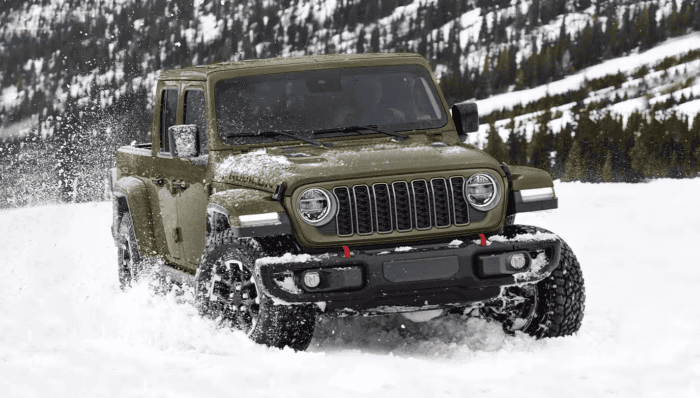





New York’s harsh winter conditions can turn your trusty Chrysler Dodge Jeep Ram (CDJR) vehicle into a problem if you don’t prepare it correctly. As the mercury drops around Cortlandt, your vehicle faces challenges. Ensuring your ride is winter-ready protects both your wallet and family when road conditions worsen during the harsh driving months ahead. Our team at Bill Volz Westchester CDJR has compiled this comprehensive guide to winter vehicle preparation in the mid-Hudson Valley. How To Prepare Your CDJR Vehicle for Winter: Maintenance and Care Tips The statistics are eye-opening. According to the Department of Transportation, weather causes approximately 12% (744,911) of all vehicle crashes yearly. Winter-related road accidents account for an average of 11% (268,239) of injuries and 9% (3,807) of fatalities. Cold temperatures affect everything because chemical reactions slow down, causing your battery to struggle; engine oil thickens and fights against your starter motor, while tire pressure drops with every temperature dip, decreasing grip on slick roads. Because these issues can occur overnight, taking action before the first snowfall saves you problems. Battery Performance and Cold Weather Readiness At 0 degrees F, your battery has only half the cranking power it has at 80 degrees F. Cold temperatures make your engine oil thick, forcing the starter to work harder while drawing power from a temperature-weakened battery. Most batteries last three to five years, but winter quickly exposes any weaknesses. Slow cranking, dim headlights, and dashboard warning lights need to be addressed urgently because cold weather will quickly push your battery over the edge. Get your battery checked before winter to ensure it works when you need it. Tire Safety and Winter Traction When winterizing, truck and car tires should be at the top of your list. For every 10-degree F temperature drop, tire pressure decreases by up to 2 psi. Underinflated tires increase the risk of hydroplaning and can make stopping distances 15% longer. Minimal tread on soft tires causes more road contact and allows water to build up between the tire and road, causing traction loss. Winter tires have proven to be better than all-season tires on ice and snow, and vehicles with both all-wheel drive (AWD)and winter tires stop faster than vehicles with AWD alone. Engine Fluids and Cooling System Winterization Engine oil thickens in cold weather, reducing engine protection and putting stress on it during startup. Multi-viscosity oils such as 0W-20 or 5W-30 are the best for reliable winter starts. The W indicates winter, and the numbers indicate the rates at which the oil flows in cold temperatures — the lower the number, the better the cold performance. Your cooling system prevents freeze damage while maintaining proper temperatures during operation. A 50/50 mixture of antifreeze and water protects down to minus 34 degrees F, but if you’re in a colder area, you’ll need to adjust the ratio to 60/40 or 70/30. Your cooling system also prevents overheating by managing heat transfer, so year-round maintenance is crucial. Critical Safety Systems for Winter Driving Winter puts stress on safety systems, with most accidents happening on wet, icy roads. Brakes are vital — jamming them leads to more crashes in winter. Properly working brakes can mean the difference between a close call and disaster. Poor visibility causes many winter accidents. Short winter days make your headlights work overtime, while snow and road gunk cut visibility even during daylight. Dirty headlight lenses can cut light output by 40%, so regular wipe-downs can prevent compromised lighting. Wiper blades are generally replaced every year, but they wear out quickly in harsh winter conditions, which requires them to be changed more frequently. Remember to refill your washer fluid with a winter-grade solution that stays liquid and cuts through road salt film. Protecting Your CDJR Vehicle from Winter Damage In winter, salt and water cause excessive damage to your vehicle — consider applying a protective coating before the cold weather hits. Winter damage can be expensive, with surface rust repair running at $50-$200, scale rust at $200-$1,000, and structural repairs in excess of $4,000. Rust buildup can knock 10% to 40% off your car’s resale value. Cold temperatures make rubber parts such as drive belts, hoses, and wiper blades brittle, causing them to fail unexpectedly. Salt penetrates coatings and components, causing corrosion, particularly in the undercarriage. Washing and rinsing your vehicle frequently will remove salt before it has time to damage anything. Wet boots and winter clothing bring moisture and salt into your car that damage upholstery and electronics. All-weather floor mats trap gunk while protecting your carpeting. Whenever possible, park in a garage to avoid exposure to extreme weather. Emergency Preparedness and Winter Driving Kit Even well-maintained vehicles can cause trouble, and an emergency kit is cheap insurance. You’ll need basics such as blankets for warmth, a flashlight for when it gets dark, and jumper cables for battery issues. A small shovel will help you dig out of snow, cat litter or sand improves traction, and an ice scraper clears windows. First aid supplies, flares, and a phone charger are also crucial. Be prepared in case you’re stuck for hours — pack water, at least a gallon per person for 24 hours, and snacks such as energy bars or trail mix. Add a rain poncho and extra clothing in case it rains. CDJR-Specific Winter Accessories Your CDJR vehicle comes with built-in winter-fighting features. AWD systems, high ground clearance, and smart traction control give you an edge on snow and ice that many other vehicles can’t match. The AWD system helps you tackle nasty situations with confidence, heated seats keep you warm, and remote start allows you to warm up your ride while finishing your coffee. Whether your vehicle is a Chrysler, Dodge, Jeep, or Ram, original CDJR accessories will fit your make and model perfectly. At our dealership in Cortlandt, we stock all-weather floor mats, bed liners, anti-slip running boards, and roof racks. Factory accessories, unlike generics, keep your warranty intact. Your Winter-Ready CDJR Partner in Westchester Maximizing your CDJR vehicle’s built-in winter features requires attention to detail. Prewinter preparation goes beyond basic maintenance, as it must address the specific winter needs of your vehicle. Our technicians at Bill Volz Westchester have years of CDJR experience and understand not just what needs fixing but also what winter preparation your vehicle needs. Don’t wait for the first storm to hit. Our team is ready to prepare your vehicle for whatever Mother Nature throws at Cortlandt this winter, so schedule your winter service today. Images from jeep.com