





Trucks are known to hold their value better than others, namely for their sheer capacity to do so many different tasks. However, every vehicle (even the Ram 1500) depreciates in value. Whether you’re considering your first truck purchase or planning on trading up, our team at Bill Volz Westchester Chrysler Dodge Jeep Ram (CDJR) has developed this guide to walk you through the factors impacting your Ram 1500’s resale value and offer some tips to help you get the most out of your truck’s price tag.
Importance of Depreciation in Automotive Purchases
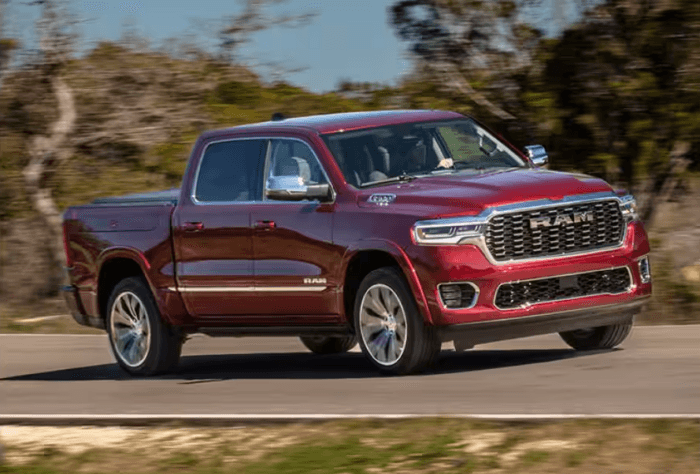
Cars typically drop in value by 10% to 15% each year due to wear and tear, market fluctuations, and economic conditions. The biggest decline occurs right after driving off the dealer lot, when a vehicle loses 10% of its value instantly. This is followed by another 20% during the first year.
After the first year, vehicles continue to depreciate at a rate of 15% per year for the next five years, usually leaving them at 40% of their original value. Trucks tend to depreciate more slowly since their value loss decreases significantly after five years and nearly stops at 10. Trucks lose only 34.8% of their value over five years, while that of electric vehicles is much higher at 49.1%, making your Ram 1500 a smarter investment.
Factors Influencing Ram 1500 Depreciation Rates
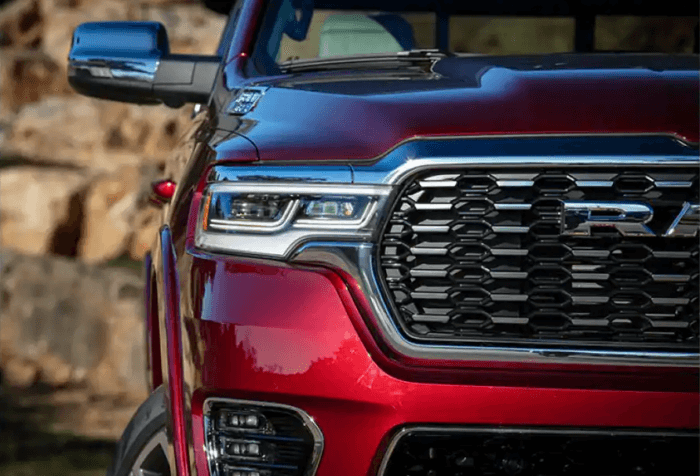
Trucks don’t just depreciate in value just to depreciate. There are many factors that come into play:
Age and Mileage Impact
The value of your Ram 1500 is influenced by its age and mileage. By buying a Ram that’s two to three years old, you can save while still enjoying modern features and warranty protection. Key mileage milestones can negatively impact your truck’s value. Reaching 100,000 miles can result in a 20% decline, while 150,000 miles causes even greater depreciation. Well-maintained Ram trucks with complete service records can still fetch a reasonable price at higher mileages.
Market Trends and Vehicle Demand
Trucks account for two-thirds of sales in the U.S. Location also affects vehicle values. Ram trucks typically sell for less in Michigan than in California, while New York’s winter requirements and tight parking affect local buyer preferences.
Maintenance and Vehicle Condition
The annual maintenance cost for a Ram is slightly higher than that of an F-150 or Silverado. Common Ram issues include transmission problems such as rough shifting, engine issues, including stalling and misfires, oil consumption, and electronic glitches. Ram trucks score lower in reliability than Ford and Chevrolet, but quick repairs with proper documentation can minimize the impact on resale value.
Trim Levels and Optional Features
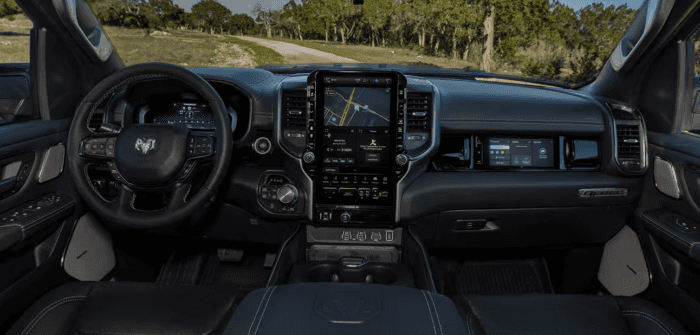
The Ram 1500 is available in 10 models, with options ranging from the Tradesman at $40,275 to the Tungsten at $87,320. At $45,230, the Big Horn offers exceptional value with chrome bumpers, carpet inserts, and cloth seats. Higher trims, such as the $60,030 Laramie, which comes with a 12-inch touch screen, leather upholstery, and climate-controlled seats, tend to hold their value better, while the $64,440 Rebel’s all-terrain tires and off-road technology appeal to adventurous buyers. For 2025, the new 420- and 540-horsepower six-cylinder engines are expected to maintain strong interest.
Buying New vs. Used RAM 1500: Pros and Cons
The financial consideration between new and used Ram 1500s mainly comes down to how you handle the depreciation curve. A new $50,000 truck vs. a similar used $30,000 model shows a potential upfront saving of $20,000, but the overall cost analysis gets complicated when you add financing, maintenance, and future value loss. New trucks lose about 20% of their value in the first year, while used trucks depreciate much more slowly.
Over five years, you can expect to spend roughly $67,500 on a new truck compared to $45,000 on a used one. The benefits of a new truck include full warranty protection, a known history, the latest safety technology, and lower initial maintenance costs.
Strategies To Minimize Depreciation of Your Ram 1500
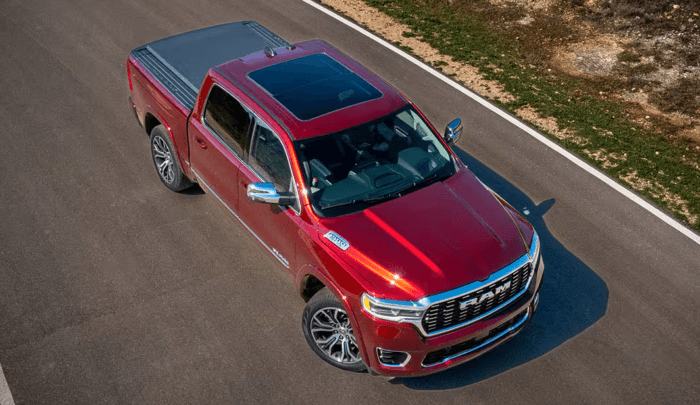
Timing your Ram 1500 sale correctly can save you thousands. Sell before January 1st to avoid having your truck considered a year older overnight, or list during spring tax season when buyers are eager to spend their refund checks. Also, pay attention to your odometer milestones. Selling before you reach 100,000 miles prevents a 20% depreciation, while staying under 150,000 miles avoids an even bigger value decline.
Regular maintenance, along with paperwork to prove it, builds the foundation for the best resale value. Keep your truck’s interior and exterior clean, avoid unnecessary mileage, and fix small problems before they escalate into expensive repairs. Place all documentation, such as warranty information, service records, and original paperwork, in a folder that you can give to your buyer. You should also consider additional ownership costs before investing in a truck, such as expenses for maintenance, repairs, insurance, fuel, and loan interest.
Discover the Ram 1500 at Bill Volz Westchester CDJR
Your Ram 1500 value strategy should align with your driving habits, financial objectives, and future plans for your truck. If you’re buying new, choose options that will appeal to future buyers while avoiding unusual customizations that may limit interest in your truck down the line. When considering used options, focus on service records, overall condition, and timing your purchase to minimize significant depreciation.
Whether you’re buying your first Ram, trading up, or trying to get top dollar, our team at Bill Volz Westchester CDJR in Cortland, New York, is ready to help. Contact us today to schedule a test drive.
Images from ramtrucks.com
Connect with us


- July 2026
- June 2026
- May 2026
- April 2026
- March 2026
- February 2026
- January 2026
- December 2025
- November 2025
- October 2025
- September 2025
- August 2025
- July 2025
- June 2025
- May 2025
- April 2025
- March 2025
- February 2025
- January 2025
- December 2024
- November 2024
- October 2024
- September 2024
- August 2024
- July 2024
- June 2024
- May 2024
- April 2024
- March 2024
- February 2024
- January 2024
- December 2023
- November 2023
- October 2023
- September 2023
- August 2023
- July 2023
- June 2023
- May 2023
- April 2023
- March 2023
- February 2023
- January 2023
- December 2022
- November 2022
- October 2022
- September 2022
- August 2022
- July 2022
- June 2022
- May 2022
- April 2022
- March 2022
- February 2022
- January 2022
- December 2021
- November 2021
- October 2021
- September 2021
- February 2017
- January 2017
- December 2016
Archives
- Advice
- Challenger Tips
- Chrysler
- Chrysler Features
- Chrysler Service Tips
- Chrysler Tips
- Dodge
- Dodge Charger
- Driving Tips
- Electric Vehicles
- Financing
- Jeep Compass
- Jeep Lineup
- Jeep Owner Tips
- Jeep Tips
- Jeep Wrangler
- Local
- Local Cafes
- Local Shops
- Mopar
- Ram Trucks
- Service Tips
- Uncategorized
- Used Vehicles
- Vehicle Upkeep
- Wagoneer