




If you’re shopping for a Dodge Durango and worried about how long it’ll last, you’re not alone. This three-row SUV has caught the eye of many Cortlandt families with its mix of muscle and comfort, but Dodge Durango reliability can swing wildly depending on which year you buy. At Bill Volz Westchester in Cortlandt, New York, we’ve compiled this no-nonsense guide to help you sort fact from fiction about Durango dependability across all generations. We flag the issues you should watch for, and give you practical tips to decide if this family hauler makes sense for your driveway.
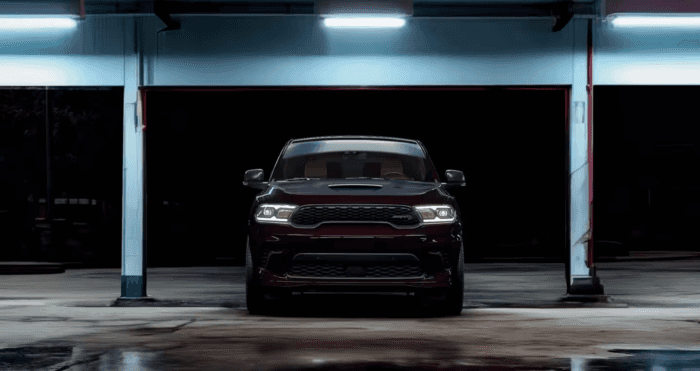
Is the Dodge Durango Reliable?
Dodge Durangos typically run for 200,000 to 250,000 miles with decent care, matching other midsize SUVs. If you treat one well, you might hit 300,000 miles. Expect 150,000 to 300,000 miles, depending on maintenance and driving habits.
The second (2004-2009) and third (2011-present) generations beat earlier models for reliability. Against other three-row SUVs, the Durango holds its ground with solid engine durability and build quality. For Cortlandt families handling school runs, weekend trips, and harsh winters, a well-kept Durango delivers great long-term value.
The Dodge Durango Through the Generations
Car designs evolve, and so has the Durango. Newer generations typically benefit from better manufacturing and tech upgrades. But older generations come with a perk: a mass of real-world data from actual owners that removes guesswork. Targeting the right years while dodging the duds dramatically increases your odds of finding a Durango that won’t leave you stranded or penniless.

First Generation (1998-2003)
First-generation Durangos used tough body-on-frame construction shared with Dakota pickups, providing serious towing and off-road capability. Engine options included 5.2-liter or 5.9-liter Magnum V-8s.
With proper care, they were reliable workhorses, but this generation had severe issues. Transmission failures, electrical problems, and fuel system troubles hit 1999-2001 models hard. Common complaints included clicking when turning due to poor lubrication of the upper flex coupling in the steering’s intermediate shaft. Other issues were water leaking at the roof-B-pillar junction, door lock malfunctions, headlight fogging, and seat adjustment problems. Finding a decent first-generation Durango today means budgeting for repairs and checking vehicle history carefully.
Second Generation (2004-2009)
Second-generation Durangos received a modern platform with the 5.7-liter HEMI V-8 and 4.7-liter V-8 options. Ride quality improved, materials felt better, and safety upgrades were significant. Although electrical issues persisted and sales crashed to 4,000 units by 2009, well-maintained 2007-2009 models with good records can serve you well. Watch for “HEMI tick” in 2004-2006 V-8s; it signals costly timing chain troubles. Target 2007-2009 models, which fixed most early problems.
Third Generation (2011-Present)
Third-generation Durangos switched to a unibody design like the Jeep Grand Cherokee, bringing better build quality and electronics. Longevity improved, the ride was smoother, and the interior space worked better. Its engine choices are an efficient 3.6-liter Pentastar V-6 and a muscular 5.7-liter HEMI V-8.
Models from 2014 and later with the ZF eight-speed automatic transmission changed everything. Reliability improved, and there were fewer recalls. This generation offers modern technology, solid dependability, and fair resale prices. Target 2014-2018 models for the best reliability-to-feature ratio. More recent Durango model years build on what worked before — the 2020 Durango logged just two recalls and had a J.D. Power quality and reliability score of 80/100.
Common Issues and How To Address Them
Every vehicle has its quirks, that’s true no matter the make and model. Knowing what tends to break can save you headaches and money. The Durango’s main trouble spots include the transmission, electrics, engine, suspension, and brake system. Catching problems early makes all the difference. Minor issues ignored today become wallet-crushing disasters tomorrow.
Engine and Transmission Problems
Durangos face recurring issues, such as transmission failures and HEMI tick from timing chain problems. Owners of 2022 models report transmission hesitation and rough shifting at lower speeds. Watch for harsh gear changes, strange noises, dashboard warning lights, and delayed engagement when shifting from park to drive. Transmission and engine issues can snowball quickly when ignored. Delayed fixing these issues can lead to transmission failure and costly repairs.
Electrical System Failures
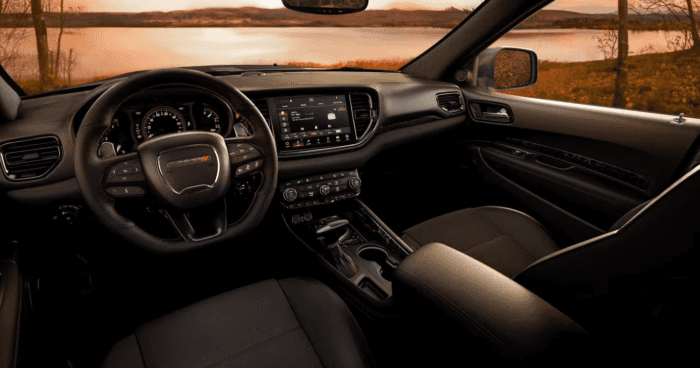
Complex electrical systems in today’s Durangos control everything, including music and engine management. There have been glitches in the totally integrated power module affecting engine and electrical functions. The 2022 models have touchy infotainment systems with unresponsive screens and connection issues that software updates may not fix. Other problems include erratic dashboard lights, flickering headlights and taillights, and unreliable stop-start systems.
Navigation errors show vehicles floating in lakes or 20 miles off their actual locations. Software updates fix some bugs, but many need specialized diagnostic equipment. Keep notes about when problems occur; this helps our technicians find intermittent issues that disappear during shop visits.
Maximizing the Dodge Durango’s Life Span
Good maintenance dramatically extends the life span of your Durango. Regular services, proper engine care, maintaining cooling system health, and transmission monitoring are essential. Your driving style makes a huge difference — lead-footed drivers burn through parts faster. How you use the vehicle is also significant. Frequent towing or off-roading accelerates wear on crucial components.
The Importance of the Maintenance Schedule
Sticking to the factory maintenance schedule isn’t just a suggestion; it’s the difference between a Durango that lasts 300,000 miles and one that dies at 150,000 miles. For Cortlandt drivers battling snow, salt, and brutal temperature swings, winter preparation becomes even more critical.
As our Durango longevity guide explains, brakes last 30,000-70,000 miles and tires last 30,000-60,000 miles. A set of spark plugs should serve you for 100,000 miles, and the transmission can last over 180,000 miles with 100,000-mile inspections. The average annual maintenance and repair bill for a Durango is $929. A single maintenance and repair visit can cost between $95 and $4,482.
Regular Maintenance Tips
To maximize your Durango’s life span, have it professionally inspected twice yearly. Change the oil every 5,000-7,500 miles and the transmission fluid every 60,000-80,000 miles. Check the battery every six months, perform brake inspections yearly, and rotate the tires every 6,000-8,000 miles. Essential milestones are checking the air filter and brakes at 15,000 miles, the spark plugs and transmission fluid at 30,000 miles, the timing belt and coolant flush at 60,000 miles, and the fuel pump at 100,000 miles.
Experience the Dodge Durango in Cortlandt, New York
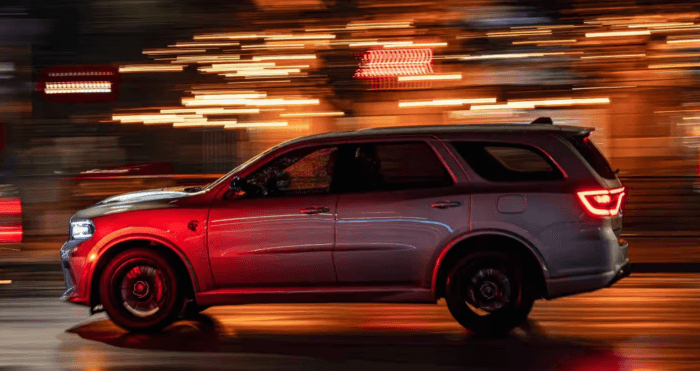
If you’re looking for a reliable used Durango or thinking about a shiny new model with all the latest fixes, visit us at Bill Volz Westchester. After decades of serving Cortlandt drivers, we understand local driving challenges and what keeps Durangos running their best long-term. Our knowledgeable team will guide you through Dodge Durango pricing and financing and answer any questions. Contact us today to schedule a test drive. Don’t wait to discover why so many local families trust these capable SUVs for their daily adventures.
Images from dodge.com
Connect with us


- July 2026
- June 2026
- May 2026
- April 2026
- March 2026
- February 2026
- January 2026
- December 2025
- November 2025
- October 2025
- September 2025
- August 2025
- July 2025
- June 2025
- May 2025
- April 2025
- March 2025
- February 2025
- January 2025
- December 2024
- November 2024
- October 2024
- September 2024
- August 2024
- July 2024
- June 2024
- May 2024
- April 2024
- March 2024
- February 2024
- January 2024
- December 2023
- November 2023
- October 2023
- September 2023
- August 2023
- July 2023
- June 2023
- May 2023
- April 2023
- March 2023
- February 2023
- January 2023
- December 2022
- November 2022
- October 2022
- September 2022
- August 2022
- July 2022
- June 2022
- May 2022
- April 2022
- March 2022
- February 2022
- January 2022
- December 2021
- November 2021
- October 2021
- September 2021
- February 2017
- January 2017
- December 2016
Archives
- Advice
- Challenger Tips
- Chrysler
- Chrysler Features
- Chrysler Service Tips
- Chrysler Tips
- Dodge
- Dodge Charger
- Driving Tips
- Electric Vehicles
- Financing
- Jeep Compass
- Jeep Lineup
- Jeep Owner Tips
- Jeep Tips
- Jeep Wrangler
- Local
- Local Cafes
- Local Shops
- Mopar
- Ram Trucks
- Service Tips
- Uncategorized
- Used Vehicles
- Vehicle Upkeep
- Wagoneer