




Bill Volz's Westchester

Blog / Service Tips

How Often Should You Get An Oil Change?

Oil change service Cortlandt, NY

Most drivers know that it's important to get their oil changed, but not everyone understands why. Here at Bill Volz Westchester in Cortlandt, New York, we love to help our customers understand their cars and how to take care of them, so we've put together an explanation of why regular oil changes are important. We'll also go over how often you should change your oil, the benefits of doing so, and how to change your oil.

Should You Go By Oil Life or Mileage?

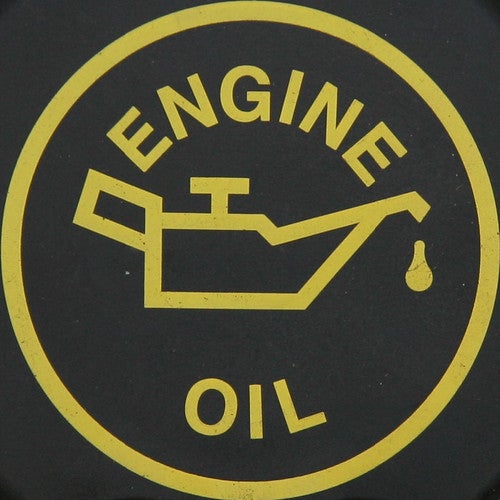
Experts recommend changing your oil after about 3,000 to 7,000 miles of driving. The exact instructions may differ depending on your vehicle's make and model. If you'd like to check your vehicle's recommended oil change schedule, you can look it up in your owner's manual or contact us at Bill Volz Westchester. If you're not sure how long ago you last changed your oil, you can check for signs that it's time for an oil change. These include illumination of the oil warning light, the car's check engine light, or an abnormal oil level.

Other factors influencing how often you should change the oil in your vehicle include the type of road you often drive on and the weather conditions you experience. You can follow the standard recommendations in your user manual if you often drive in the city under normal driving conditions. If you often drive off-road, tow heavy trailers, or often drive in challenging weather, you might consider changing your oil more often than the manual suggests.

Why Change Your Oil?

Motor oil keeps your car running smoothly because it lubricates the engine as you drive. Over time, oil breaks down, thickens, and gets dirty. This makes it a less effective engine lubricant and may cause your engine to overheat. Changing it is a great way to keep the engine cool, healthy, and safe. Specifically, it may help preserve the integrity of moving engine parts, including the pistons and valves, because proper lubrication can prevent them from rubbing together and creating excess friction.

What are the Benefits of Changing Your Oil Regularly?

In addition to engine lubrication, here are a few specific advantages to following a regular oil change schedule:

Improved Gas Mileage

Gas mileage is the rate at which you travel as compared to the number of gallons of gas it takes to travel that distance. Fuel-efficient vehicles are more likely to have better gas mileage, meaning you can travel farther with fewer gallons of gas. Cars with regular oil changes can also achieve better gas mileage. This means that you can save gas and money by changing your oil regularly. If you drive long distances regularly, this might be useful.

Cleaner Engine

Changing the oil in your car is a great way to remove any dirt or grime that may have built up. With each oil change, it is also a good idea to replace your oil filter. Once you have removed this debris, your engine can run more smoothly than before. You can check how clean or dirty your oil is by observing the color. Clean oil is usually an amber color, so if your oil is dark or thick, making it difficult to see through, it may be time to change your oil.

Increased Engine Life

The improved gas mileage and engine lubrication that changing your oil consistently can accomplish may help prolong the life of your engine. This is because when the engine is running smoothly, it decreases the strain on each part of the engine. If you plan to keep your car for a long time, routine oil changes can help ensure its longevity. If you'd like to sell your vehicle, a record of regular maintenance can increase its value because of the increased engine life with which this maintenance is associated.

Continued Warranty

Many car manufacturer warranty agreements stipulate the owner must follow the recommended car maintenance schedule to receive full coverage. Changing your oil regularly can help ensure the manufacturer is responsible for reimbursing any engine damage you might encounter under the warranty agreement. This can save you thousands of dollars out of pocket. After all, the price of an oil change is significantly lower than the price of a new engine.

How To Change Your Oil

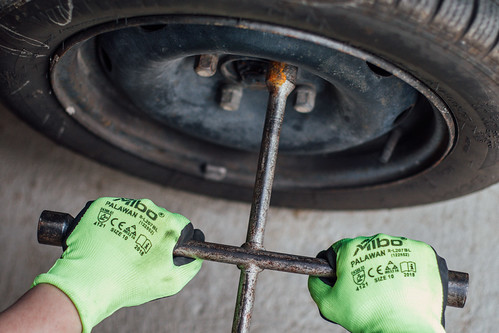
You can change your motor oil yourself. This process involves draining the car of all the old oil, replacing the filter, and adding the proper amount of new oil. To do this, you'll need access to your car's fuel drain port. For some vehicles, this may be underneath the car, so you'll need a jack to raise it and gain access. You'll also need a new filter, several rags, a reciprocal for oil collection, and new oil to put in once you've drained the old oil. After the oil change, check the oil levels before you hit the road.

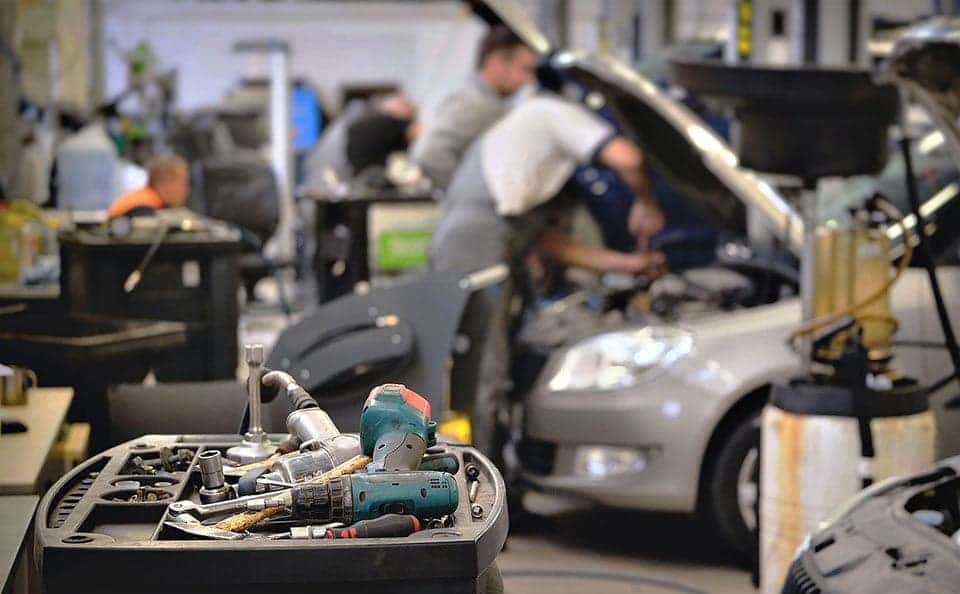
If you're nervous about changing the oil in your car yourself, why not leave it to the professionals? If you live in the Cortland area, you can schedule an oil change with us at Bill Volz Westchester. Our experienced technicians can change out your lube, oil, and filter to get you back on the road in no time.

Schedule a Quick & Easy Oil Change in Cortlandt, NY, Today!

Are you ready to change your oil? Here at Bill Volz Westchester, our goal is to help you keep your car running smoothly for the best possible price. Oil changes are one of the wide range of services we offer to help our customers achieve that goal. You can learn more about changing your oil, then schedule your service online today. To schedule over the phone, just give us a call at 914-402-9211. Alternatively, drop by our dealership at 2293 Crompond Road in Cortlandt.

You can also keep an eye out for special deals on other car services, like battery testing, climate system cleaning, cooling system services, and tire rotation services. If you want to learn more about why you should change your oil or have questions about how to schedule an oil change, don't hesitate to contact us for more information.

Photo Credit: Image used with permission via OEM
Posted in:

Related Posts

Jeep Tire Alignment Check

When to Tell if You Need a Tire Rotation?

As your car's only contact with the road surface, tires are crucial for its handling and safety. That's why regular tire maintenance is important for your, your passengers', and other road users' safety. Part of your tire care routine is tire rotation, which involves moving each wheel to a different position on the car. If you doubt the need for tire maintenance, just imagine a car having a blowout at high speed on a busy freeway. The consequences can be devastating. We can handle all your tire care needs at Bill Volz Westchester in Cortlandt, New York. But how do you know when you need a tire rotation? Schedule Service Tire Rotations About Us Understanding Tire Rotation Your car's tires provide grip on the road for safe cornering and efficient stopping. On wet roads, they help disperse water to maintain traction. Each tire experiences different stresses depending on its position on the car. On most cars, the front tires work hardest, carrying the engine's weight, steering the car, and handling the braking forces. In front-wheel-drive vehicles, they also pull the car. With rear-wheel drive, the rear tires propel the vehicle. You might think that all-wheel-drive vehicles would have more even tire wear, but that's not the case — power distribution between wheels depends on which wheel needs it. However, in most cases, the front tires tend to wear more quickly than the rear ones. Tire rotation involves swapping the front and rear tires in a specific pattern so that they wear evenly. Regular rotation will help maintain the tires' performance and extend their life, keeping you safer and saving you money. Tire Rotation Patterns Correct tire rotation depends on whether your vehicle has front-wheel, rear-wheel, all-wheel, or four-wheel drive. At Bill Volz Westchester, our technicians will ensure your vehicle's correct rotation pattern. If you plan to rotate the tires yourself, know the recommended pattern before you start. Signs You Need a Tire Rotation Your vehicle owner's manual will specify how often to rotate the tires, or you can ask our Bill Volz Westchester service department experts. However, even if you don't think it's due, you can look out for signs that you need a tire rotation. Uneven Tire Wear If you notice more wear on your front tires than the rear or more wear on one side of an axle, it's time for a tire rotation. If an individual tire has uneven wear across the tread, it's more likely due to wheel misalignment or an unbalanced wheel. Our tire experts can check it out for you. Vibration at Higher Speeds If you feel the car vibrating at speeds over 45 mph, it may need a tire rotation. The front wheels probably need balancing if the vibration is just at the front or from the steering wheel. Mileage Indicator We recommend a tire rotation every 5,000-8,000 miles, when you schedule an oil change, or every six months. However, you may need to do it more often if you're a heavy-footed driver or frequently drive in harsh conditions. Spinning the wheels when pulling away and lots of heavy braking will speed up tire wear, so you'll require more frequent tire rotations. Visual Inspection and Tire Pressure You should regularly check the pressure of all your tires because the incorrect pressure can be dangerous. At the same time, you can inspect your tires for potential problems, such as imperfections, cuts, and bulges, as well as uneven tire wear that could indicate a rotation is necessary. The Impact of Neglecting Tire Rotation Neglecting tire rotation can affect the safety of your vehicle and cost you money. Unevenly worn tires can lead to poor handling and less efficient braking, potentially causing you to have an accident. Your car will experience increased wear and tear to other related components, not just the tires. The vehicle will also be less fuel-efficient, meaning more stops at the gas station. DIY vs. Professional Service You can carry out a tire rotation, but you'll need some special equipment. To move tires, you'll need to raise the whole car and support it on jack stands, which can be dangerous and time-consuming. If a jack stand fails while the wheels are off, your car could sustain serious and expensive damage. Our professional service center has state-of-the-art equipment to carry out tire rotations, including vehicle lifts and air-powered wrenches for a speedy service. Maintaining Your Tires Post-Rotation After a tire rotation, it's important to carry out routine checks to ensure your tires perform at their best and spot any potential problems. At least once a month, check your tire pressures. Underinflated or overinflated tires cause less tread to be in contact with the road, so they'll wear out unevenly and prematurely. You can find the correct pressures for your vehicle in the owner's manual and on the driver-side door pillar. While checking the tire pressures, inspect them for any damage. Look for cuts, tears, or bulges on the side walls or the treads. Any of these could cause a blowout. Check the tread for uneven wear that could indicate your car needs wheel balancing, alignment, or tire rotation. These simple routine procedures will help keep you safe on the road, and you can be confident your tires are in tip-top condition. Schedule a Tire Rotation at Bill Volz Westchester You should make tire maintenance a regular part of your vehicle care routine. Tire rotations are an important part of this routine to ensure vehicle safety and performance. Haven't had a tire rotation recently? Contact us today at Bill Volz Westchester in Cortlandt to schedule a tire service. Our friendly service team will be happy to advise you on all aspects of tire care.

Is your engine leaking oil?

Why is My Car Leaking Oil?

At Bill Volz Westchester in Cortlandt, New York, we understand the concern and frustration vehicle owners experience when they discover an oil leak. Many things can cause oil leaks, and it's impossible to tell how significant the problem is without an inspection. Some leaks are easily fixed and inexpensive, while others can be complicated and expensive. We want you to understand the different causes, how to identify oil leak sources, the necessary repairs to fix an oil leak, and the risks of ignoring it. If you consider yourself handy with a wrench, we'll provide some helpful tips and caution for DIY people. Common Causes of Oil Leaks Your engine's oil works in a sealed environment, primarily in the engine. Various circumstances lead to oil leaks in cars, but they don't all happen within the engine. Instead, they typically start where the oil moves in and out of the engine. A Loose Drain Plug Your oil drains from a simple hole with a bolt plug from the bottom of a pan. The natural vibrations from driving have been known to cause this bolt to loosen. Sometimes, the mechanic fails to tighten this bolt enough. In either case, it's a simple fix to tighten the bolt. A Loose or Faulty Oil Filter You have to change your car's oil filter when you change the oil. This also screws onto your engine and can come loose over time. It doesn't happen often, but sometimes the filter fails due to inferior construction or materials. We see this with aftermarket parts, so we always recommend using genuine original equipment manufacturer replacement parts for all services and repairs. Failing Oil Pan Gasket Gaskets play a crucial role in sealing parts to your engine. Unfortunately, these gaskets fail over time, and there's no routine maintenance you can do to prolong a gasket's life. Replacing this gasket is relatively straightforward, depending on the make and model. Some cars have other parts near or attached that might need to be removed to reach and repair the oil pan gasket. Failing Oil Pump or Oil Pump Gasket The oil pump attaches to the engine and pumps oil through the system. Like most automotive parts, the oil pump doesn't last forever. If it starts to fail, it could leak oil. In addition, a gasket seals it to the engine, which can also fail. Replacing either part can be costly, as other parts must be disconnected to reach and remove the oil pump. Failing Valve Cover Gasket Again, gaskets fail. In this case, you must remove the valve cover and replace the gasket. The cost of this repair varies depending on the model. For instance, a V-8 or V-6 engine has two valve covers, whereas an inline four or six-cylinder has one. In addition, a mechanic must remove other parts to replace the gasket. Damaged Oil Pan We don't find a damaged oil pan responsible for leaks, but it happens. If you recently hit a curb or ran over an object, these can strike the oil pan and create a leak. The leak could be minor or significant, but you'll need a new oil pan. Identifying the Source of the Leak You'll need to look over your engine to find the source of the leak. Start by comparing the oil on the ground beneath your car to related components on the engine. If the leak pools beneath the oil pan, inspect the oil pan. Signs will include wet oil around the edges of the oil pan gasket or plug. Check for fresh oil around the filter seal if the pooling oil occurs beneath the oil filter. In either case, you should check and tighten the plug and gasket. If you notice a looseness, you might have just fixed the problem. The Risks of Ignoring an Oil Leak You always want to pay attention to any leaking fluid, especially your engine oil. Your engine relies on the oil to lubricate and protect its many internal moving parts from friction and the high heat of combustion. Leaking oil leads to less protection and can cause severe and even permanent damage to your engine. It costs thousands of dollars to replace an engine, but you'll spend much less to replace any parts responsible for the leak. DIY Fixes vs. Professional Repair We love DIY people because they share our passion for all things automotive. If you feel you know to inspect and repair an oil leak, we respect that and will help you if needed. You can order parts from us and even speak with a technician if you encounter a challenging problem. However, we understand many owners have neither the time nor the inclination to fix an oil leak. If this sounds like you, we can inspect your engine for oil leaks and make any necessary repairs. Feel free to drop by our service center anytime. We can typically perform this service in under an hour, or you can schedule service online for a convenient day and time. Preventive Measures We admit that parts eventually wear out over time, which leads to oil leaks. You can take precautions to prolong your engine's life and stave off oil leaks. First, we recommend you perform all your regularly scheduled maintenance. Regular maintenance will help avoid early leaks and keep your car running at its peak. Other considerations include using the factory-recommended oil. Using off-brands and the wrong oil type can harm your engine, oil pump, and gaskets, harming these parts and leading to early failure. How you drive also affects your car and its many moving parts. We suggest avoiding excessive engine revving and accelerating hard all the time. These actions put undue stress on your engine and other components. Inspect Your Vehicle for Oil Leaks Today If you know or suspect you have an oil lead, we're here to help at Bill Volz Westchester in Cortlandt, New York. We invite you to schedule an inspection online and let our certified technicians have a look. If they spot a problem, they'll explain everything, including the cost and time to repair it. Photo Credit: Engine oil filler cap by Brian Snelson is licensed with CC BY 2.0 DEED

Tire Rotation

How often should you get your tires rotated?

When was the last time you rotated your tires? You have come to the right place if you're not even sure about the common auto maintenance process. Learn what it means to get your tires rotated and why it's important with our guide. What Is a Tire Rotation? With a tire rotation, your service technician changes the position of your tires. This service is essential because you want to ensure the rubber tread wears evenly. Front-wheel drive adds wear to that set of tires during accelerating, turning, and braking maneuvers, eroding the material more quickly than the back set and vice versa with rear-wheel-drive models. Other reasons your tires may wear unevenly include the following: Improper alignment. Overinflation. Underinflation. Damaged suspension. Swapping your vehicle's front tires with those on the back is the most common tire rotation method. Your mechanic may switch your tires from left to right, depending on your model. Your owner's manual will specify the best tire rotation pattern for your specific automobile. This guide includes its recommended maintenance schedule every six months or between 5,000 to 7,500 miles. Why are Tire Rotations Important?? Tire rotations should be a part of your car's regular maintenance program, just like oil changes. This service offers drivers genuine benefits you'll notice as soon as you take the wheel. Here are a few of the top reasons to be mindful of your tire rotation schedule: You Can Save Money Rotation spreads wear evenly among all four tires, so swapping them will make your tread last longer, thus saving you money. A new set of rubber will set you back about $600 on average, although replacement costs vary widely by size and type of tire. For example, most sedans or compact crossovers use smaller, less expensive tires than a full-size pickup truck. You could also see savings at the pump. Uneven tread wear increases the rolling resistance on your tires, reducing your car's fuel efficiency. Your Car Will Grip Better Driving wears down tire treads, and how they wear impacts your vehicle's performance. A uniform tread is also better equipped to grip New York's slippery winter roads and uneven terrain. An even tread is also crucial for a smooth transition from a complete stop and to assist your brakes in bringing the vehicle to a safe stop as quickly as possible. You Get Improved Handling Your tire's tread directly affects your car's handling. Uneven wear can hinder your ability to steer your vehicle, either when taking tight cornering maneuvers or in the presence of a road hazard, like a fallen limb or animal in the way. An uneven tread can cause you to lose control of your automobile in an emergency, potentially causing an accident. You'll Notice Less Vibration Because tires inevitably wear at different rates, your vehicle's ride quality will eventually suffer if you don't rotate your tires. Vibrations come from your uneven tread as it impacts the pavement, significantly reducing the smoothness and comfort of your ride. If you delay servicing your automobile, you may feel your steering wheel rattle or your pedals start to jitter, indicating an increasing instability in your suspension system. Even your car's alignment will be eventually affected, and you may notice your vehicle pulling in one direction. Getting your tires rotated improves the lifespan of related components like the suspension system, breaks, wheel bearings, and axles. It Prevents Tread Cupping Tread cupping is when your tires show an erratic wear pattern where a little scoop of the tread wears around the tire every three to four inches. Because of the worn spot's shape, some tire technicians call it "scalloped tires." Tread "cups" can cause your vehicle several issues, depending on the severity, from reduced traction to noise and vibration. If left unattended, the problem could even cause your vehicle to bounce, making it unsafe to drive. Of course, regularly scheduled tire rotations will prevent this issue. You Have a Lower Chance of a Blowout As you drive, your tires get thinner and thinner. The more its tread wears away, the higher the chance you'll experience a blowout, especially when traveling at high speeds due to the build-up of heat in the rubber. Potholes, curbs, and other objects increase the risk of damage to your vehicle. If you're concerned about blowouts, rotating tires can help them last longer, and even if you opted for a road hazard replacement warranty, many providers require scheduled tire rotations to validate their coverage. Your Tires Get a Routine Inspection Having your tires rotated gives a service technician a chance to thoroughly inspect your tires. They'll measure your tread depth and check for damage, cracks, cuts, and bulges, plus punctures from items like nails, glass, and rocks that could cause a slow leak. If your mechanic finds anything suspicious, he'll have the resources to repair or replace the tire promptly. What to Do If Your Tires Need Rotating If it's been a while since you had your tires rotated, make an appointment as soon as possible. Having the service done to your vehicle is easy, and there are many options near Cortlandt where you can get it done. The process usually takes 30 to 45 minutes at a qualified dealership, so you could schedule it during your lunch hour. Every tire store has its own shop rates. However, the average cost of a tire rotation in New York is between $24 to $50, but it can be as much as $120. No matter where you schedule your tire rotation service, make sure it's with a trusted service center, like the one you'll find at Bill Volz Westchester on 2293 Crompond Road. A lot is riding on your tires, and the last thing you need is a preventable problem that causes a costly repair. If you don't remember the last time you rotated your tires, it's time to get it done. Let us know if you have any questions about vehicle maintenance, or better yet, come to our dealership and get to know our friendly and knowledgeable service staff.