



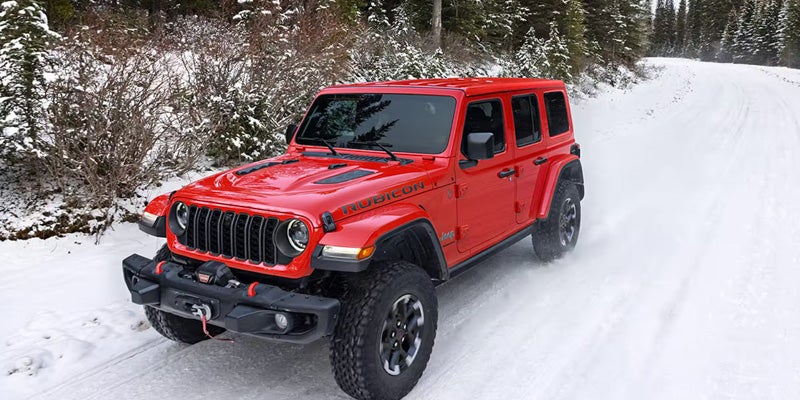
Every winter, road crews across the Hudson Valley spread thousands of tons of salt to keep highways safe. It works, but that same salt is quietly eating away at the metal underneath your car, truck, or SUV, and most owners never see it happening until it's time to sell or trade in. Protecting your vehicle's undercarriage from road salt damage means starting the work now, not in April once the snow's already melted. You can schedule service with our team before the next storm hits.
Why Road Salt Is Quietly Draining Your Vehicle's Resale Value
Road salt lowers the freezing point of water on pavement, which is exactly why it works so well on icy roads. But that same chemistry speeds up oxidation on exposed metal. Mix salt with moisture and rust forms fast, and it doesn't stay confined to the paint. It creeps underneath, settling into brake lines and suspension parts that sit exposed to spray and standing water all season long.
AAA (The Auto Club Group) reports that over the last five years, 22 million U.S. drivers dealt with salt-related rust damage, with repairs averaging almost $500 per occurrence. That's not a rare event. New York has historically ranked among the heaviest salt users in the country, coming in third nationally in 2019 at 28.8 tons per lane-mile, trailing only Rhode Island and Massachusetts. Drive through Cortlandt Manor, Peekskill, or Yorktown Heights during a typical Hudson Valley freeze-thaw cycle, and you're looking at near-constant exposure to corrosive road spray for months on end.
How Road Salt Attacks Your Undercarriage
The Corrosion Process
Salt alone doesn't cause rust. It's the combination of salt and moisture that accelerates oxidation, and that mix tends to pool on brake lines and suspension components where it's hard to spot. Surface rust starts small, often as light discoloration or flaking on exposed metal. Left alone, it spreads, and what begins as cosmetic can turn structural, which is the real danger of salt exposure on your undercarriage.
Think of it as two different stages:
| Type | Description |
|---|---|
| Surface rust | A light coating of oxidation on exposed metal, usually treatable with cleaning, sanding, and a protective coating before it spreads further. |
| Structural corrosion | Deeper penetration into frame rails, floor pans, or load-bearing components, where the metal itself weakens and repair becomes far more involved, if it's even possible. |
Exposure level determines the timeline, but repeated salting events without washing can turn surface rust into a real problem within a single season, especially on vehicles that sit outside overnight in wet, salted conditions.
Undercarriage Components Most at Risk
The frame, exhaust system, and suspension take the brunt of water, salt, and road debris, along with brake lines and rotors that sit low and unprotected. EV owners should pay extra attention too. Battery packs, cooling lines, electronics, high-voltage connectors, charging ports, and aluminum battery housings all sit low in the chassis, and that positioning can make them degrade faster under sustained salt exposure.
The Trade-In Impact: What Rust Costs Westchester Owners
Rust eats into your wallet twice: once in repairs, and again when it's time to trade in. While we won't put an exact number on it, rust and corrosion can meaningfully reduce trade-in offers, since appraisers factor in the cost and complexity of correcting the damage. Per Kelley Blue Book, a clean, well-detailed vehicle simply commands more at trade-in, and that logic applies just as much to what's underneath the car as what's visible on the surface.
What Appraisers Check Underneath Before Making an Offer
At Bill Volz's Westchester CDJR, our trade-appraisal guide breaks vehicle condition into four tiers, and undercarriage rust plays a direct role in where a vehicle lands. An "Excellent" rating means no rust and no reconditioning needed. "Good" condition allows only minimal rust, with a value deduction if any is present. "Fair" condition may include repairable rust, the kind that's caught early and hasn't spread far. "Poor" condition can involve a rusted-through body or a damaged frame, the kind of structural corrosion that's expensive to fix and hard to reverse.
If you're weighing a trade-in this year, it's worth getting ahead of the appraisal. You can value your trade-in online before you bring it in, and a well-maintained trade-in can help fund your next purchase when you browse our new vehicle inventory.
Early Warning Signs of Salt Damage
Catching salt damage on cars early is the difference between a quick fix and a costly repair. Some signs show up in the cabin, others only reveal themselves on a lift.
-
In-dash warning lights sometimes point to a sensor or system affected by corrosion.
-
A soft or spongy brake pedal can mean compromised brake lines.
-
Unusual exhaust noise or fumes often signal a corroded exhaust system.
-
Bubbling paint is one of the earliest visible signs of rust forming beneath the surface.
-
Brown or orange staining near bolts or seams shows oxidation has already taken hold.
-
Flaking or soft metal underneath the vehicle means corrosion has moved past the surface stage.
-
Alignment or handling changes can result from suspension components weakened by rust.
AAA advises that if brake or exhaust symptoms show up, drivers should pull over safely and have the vehicle towed to a trusted repair facility rather than continuing to drive. And while this kind of wear feels unfair, rust damage is generally treated as normal wear and tear, not something covered by insurance.
Proven Ways to Protect Vehicle Resale Value from Road Salt
Protecting your vehicle from road salt doesn't take anything exotic, just consistency and getting ahead of problems before they set in.
Regular Undercarriage Washes
We recommend frequent washing with an undercarriage rinse using a proper car-wash solution, never dish soap, which can strip protective coatings. Frequent trips through a wash that specifically targets the underside help flush out salt before it has time to bond with moisture and start the corrosion process. This matters most right after driving through freshly salted roads in Cortlandt Manor or anywhere else in Westchester County during an active storm cycle.
Mopar® Undercoating Sealant Protection
For a longer-lasting layer of underbody rust protection, we offer Mopar MasterShield Under Coat. This is a black, wax-based formula that creates a durable barrier against road salt, moisture, gravel, and debris. It's flexible and pliable enough to move with unibody construction, so it won't crack, run in summer heat, or turn brittle in cold Hudson Valley winters. The product line also includes a Rust Inhibitor fogging spray built to reach into tight cracks and crevices that a standard spray can't penetrate, so your chassis gets covered more thoroughly.
Our factory-trained, certified technicians apply these products using OEM genuine Mopar parts and materials, which helps preserve the kind of vehicle condition that supports stronger resale and trade-in value down the road.
Seasonal Preventative Maintenance Checklist
A little structure goes a long way toward preventing car rust in winter. Build these steps into your seasonal routine:
-
Apply a pre-winter wax coat before the first heavy salting events of the season.
-
Schedule an undercarriage wash after any significant snow or ice event, not just occasionally.
-
Limit driving during or immediately after active salting whenever it's practical.
-
Inspect brake lines, exhaust components, and suspension parts for early signs of rust.
-
Plan a spring deep clean to remove lingering salt deposits before they cause off-season damage.
Spring Deep-Clean Checklist
That spring deep clean deserves its own checklist, since it's your last chance to undo winter's damage before it sets in for good:
-
Wash the full undercarriage thoroughly, including wheel wells and rocker panels.
-
Inspect for bubbling paint, staining, or soft metal that appeared over the winter.
-
Reapply protective coatings if the prior season's undercoating has worn thin.
-
Address any brake, exhaust, or suspension concerns before they progress further.
Trust Cortlandt Manor's Mopar Service Center for Rust Protection
Vehicle rust protection Westchester drivers can count on starts with technicians who know exactly what Hudson Valley winters do to a vehicle's undercarriage. As a Mopar service center in Cortlandt Manor, we serve owners throughout the surrounding area, including Peekskill, Yorktown Heights, Ossining, and Putnam County, and our factory-trained team relies on OEM genuine Mopar parts for every repair and protective application. That combination of local knowledge and manufacturer-backed parts helps owners stay ahead of road salt season after season, rather than discovering a problem only when it's time to sell.
Protect Your Investment: Schedule Service or Value Your Trade-In Today
Salt trucks will keep rolling every winter, but a little upkeep now keeps that damage from chipping away at your vehicle's value later. Our team at 2293 Crompond Rd., Cortlandt Manor, NY 10567 is ready to help with an undercarriage wash, a fresh coat of Mopar undercoating, or a straightforward answer about what your current vehicle is worth.
Ready to Get Started?
Contact us to schedule an inspection and value your trade-in. Whether you're protecting the vehicle you have or thinking about what's next, we'll give you a clear picture of where it stands.