




Bill Volz's Westchester

Blog / Cortlandt Manor Used Cars

Is a Certified Pre‑Owned CDJR Vehicle Worth It? Benefits Explained

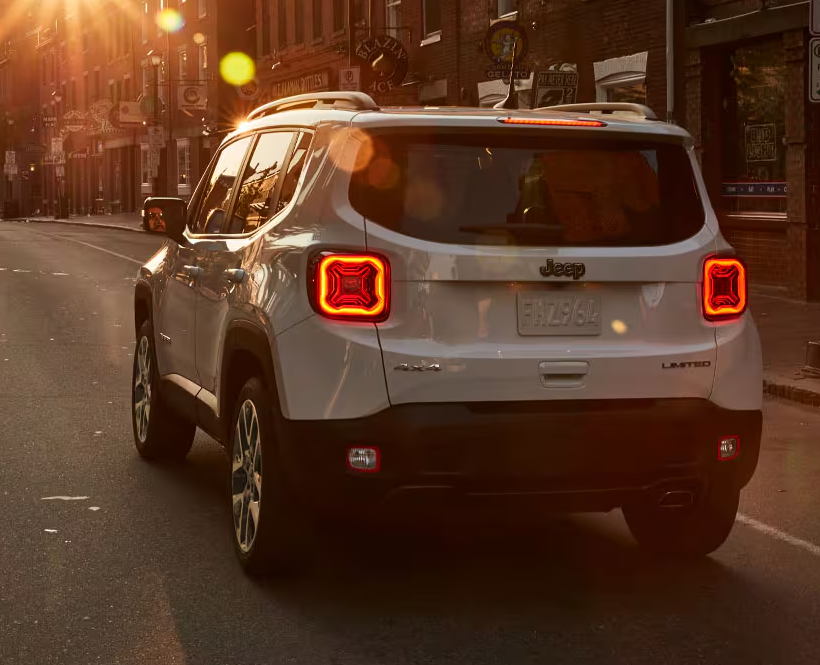
White Certified Pre-Owned Jeep Renegade

Buying a used car always comes with some uncertainty, since you're making a significant financial decision based on a vehicle's history you may know very little about. That's exactly why Certified Pre-Owned (CPO) programs exist, and the CDJR CPO program, backed by Stellantis, is one of the strongest in the industry.

If you've been weighing your options and wondering whether the extra confidence a certified vehicle offers is worth the cost, here's what you need to know before you browse our certified pre-owned inventory.

What Makes a Certified Pre-Owned CDJR Vehicle Different?

A Certified Pre-Owned CDJR vehicle carries a lot more weight than a regular used car with a nicer sticker. It's a Stellantis-backed program with specific eligibility requirements, so plenty of used vehicles simply don't make the cut. To be considered for certification, a vehicle must be a late-model Chrysler, Dodge, Jeep, or Ram that meets strict age and mileage standards. Once it clears those baseline requirements, it moves through a thorough inspection and reconditioning process before it ever reaches the lot.

A certified pre-owned vehicle carries real manufacturer accountability that a standard used car doesn't have. It comes backed by factory warranties, a verified history report, and documented condition checks, and that combination changes the nature of the purchase.

CPO vs. a Standard Used Car

The core difference comes down to what you actually know about the vehicle. With a typical used car, you rely on the seller's disclosure and whatever a pre-purchase inspection turns up. With a certified pre-owned CDJR vehicle, the standards come from Stellantis directly, not whoever happens to be selling the car.

FeatureCPO CDJR VehicleStandard Used Car
Inspection125-point manufacturer inspectionVaries, no set standard
WarrantyFactory-backed powertrain and Maximum Care coverageTypically none
Vehicle history reportCARFAX® report includedNot guaranteed
Roadside assistance24/7 Sign-and-Go coverage includedNot included
FinancingFlexible options across the credit spectrumVaries by lender

If you want reliability without paying full new-car prices, that table tells most of the story. It's also worth understanding that manufacturer CPO coverage is different from an aftermarket extended warranty you might buy separately. CPO protection is backed by Stellantis, follows standardized terms, and is honored at any CDJR dealership, while aftermarket contracts vary by provider and often carry more exclusions and less consistent claims handling.

The 125-Point Inspection: Rigorous Standards You Can Trust

CDJR's 125-point inspection, performed by a trained, authorized technician, leaves very little to chance. Before a vehicle earns certified status, it has to pass each checkpoint. If it doesn't, it either gets reconditioned to meet the standard or it doesn't become a CPO vehicle at all.

Mechanical, Powertrain, and Safety Checks

Inspectors evaluate the engine, transmission, brakes, suspension, and steering. Powertrain components receive particular attention since these are the systems most expensive to repair if something goes wrong. Safety features, including airbags, seat belts, and active safety systems, are also verified to be fully operational.

Interior, Exterior, and History Verification

The inspection also covers interior and exterior condition, including seating, trim, electronics, climate systems, body panels, paint, glass, and lighting. History verification matters just as much: every certified pre-owned CDJR vehicle goes through a background check that surfaces previous accidents, title issues, or other red flags, so buyers get the full picture before they commit.

Factory-Backed Warranty Coverage and Milestones

One of the strongest arguments for choosing a certified pre-owned CDJR vehicle is the warranty coverage that comes with it. These are Stellantis-backed protections, not dealer warranties cobbled together by a third party.

7-Year/100,000-Mile Powertrain Limited Warranty

The headline coverage is the 7-Year/100,000-Mile Powertrain Limited Warranty, measured from the vehicle's original in-service date (whichever comes first), with a deductible that may apply. It covers the engine, transmission, and other core drivetrain components well beyond what most used car purchases offer, protecting against some of the most expensive potential repairs a vehicle can require.

Additional Bumper-to-Bumper Protection

CDJR CPO vehicles also come with 3-Month/3,000-Mile Maximum Care coverage, essentially bumper-to-bumper protection spanning 5,000-plus components. This coverage begins at the expiration of the new-car warranty or the certified purchase date, whichever is later. Together, these two warranties create a coverage structure that's hard to match with a standard used car purchase. Typical exclusions across both warranties include normal wear-and-tear items, cosmetic damage, and pre-existing conditions, so it's worth reviewing the specific terms on any vehicle you're considering.

Peace of Mind Perks: Roadside Assistance and More

Warranties get most of the attention in a CPO purchase, but they're not the only perk worth knowing about. The program also includes practical, day-to-day benefits that make ownership more comfortable, especially in an area like Westchester County where the commute can be demanding and winter weather unpredictable.

24/7 Roadside Assistance for Westchester Winters and Commutes

Every certified pre-owned CDJR vehicle comes with 24/7 Sign-and-Go roadside assistance, covering up to $100 per occurrence for flat-tire service, gas delivery (up to two gallons), battery jumps, lockout service, and towing. If you're stuck on a cold night somewhere along your commute through Westchester County or into NYC, help is a phone call away.

CARFAX History Reports and Extra Manufacturer Benefits

Every CDJR CPO vehicle also comes with a CARFAX® Vehicle History Report, surfacing previous ownership, accident records, service history, and title status. Additional perks include a car rental allowance of up to $35 per day (maximum $175) during covered warranty repairs, and a complimentary 3-month SiriusXM® trial. Some vehicles may also qualify for extended-care tiers offered through the manufacturer's program. Our team can walk you through everything included with a specific vehicle before you decide.

Is the CPO Price Premium Worth It for Budget-Conscious Buyers?

CPO vehicles typically cost more than comparable standard used cars, and for buyers watching their budget, that gap deserves honest consideration. Think of the premium less as a promise of savings compared to buying new, and more as money spent lowering your risk and protecting long-term value.

Comparing CPO, New, and Standard Used Value

FactorCPONewStandard Used
Price positioningBelow new, above standard usedHighestLowest
WarrantyFactory-backed powertrain and Maximum CareFull factory coverageTypically none
Inspection125-point manufacturer inspectionN/A (factory new)Not standardized
Reliability confidenceHigh, verified conditionHighUnverified
Roadside assistanceIncludedIncludedNot included
FinancingFlexible, across credit spectrumFlexibleVaries by lender

A new vehicle gives you full factory warranty coverage from day one but comes with significant depreciation the moment you drive off the lot. A standard used car is the most affordable entry point, but it offers no warranty, no inspection guarantee, and no manufacturer accountability.

A certified pre-owned CDJR vehicle sits between those two options in a meaningful way: you get the depreciation savings of buying used while keeping the warranty protection and documented quality checks new car buyers rely on. The reduced risk of unexpected repair costs alone can offset the upfront premium over time. You can also browse our used inventory to compare standard used options side by side.

Finding Certified Pre-Owned Cars in Westchester

If you're searching for certified pre-owned cars Westchester shoppers trust, location matters. Working with a local franchised CDJR dealership means dealing with factory-trained technicians who know these vehicles and a service department that can handle warranty work directly, along with a relationship with someone in your community rather than a faceless transaction.

Bill Volz's Westchester CDJR, located at 2293 Crompond Rd in Cortlandt Manor, NY, carries certified pre-owned Chrysler, Dodge, Jeep, and Ram vehicles and serves buyers throughout the greater Westchester area. The dealership has built its reputation on straightforward, family-oriented service, with no pressure and no surprises.

Explore Flexible Financing and Browse CPO Inventory Today

Affordability doesn't stop at the sticker price. How you finance a certified pre-owned CDJR vehicle can make a significant difference in your monthly payment. Bill Volz's Westchester CDJR offers flexible financing across the credit spectrum through partners like Ally and Chrysler Capital, whether you're buying outright or trading in your current vehicle.

Ready to Take the Next Step

Browse our current certified pre-owned inventory to filter by model, mileage, and price, then visit us for a test drive when something catches your eye. For buyers who want the reliability of a well-maintained Jeep, Ram, Dodge, or Chrysler without the full price of new, a certified pre-owned vehicle from Bill Volz's Westchester CDJR is one of the smartest ways to get there. Contact our team today to explore financing options and find the right fit.

Posted in:

Related Posts

Blue 2026 Dodge Charger driving on road

2026 Dodge Charger EV vs. Gas Chargers: What Buyers Should Know

Few nameplates in American automotive history carry as much weight as the Dodge Charger. For 2026, Dodge has done something genuinely interesting: kept the Charger name alive while offering buyers two completely different ways to experience it. One runs on gasoline and roars. The other runs on electrons and launches. The choice between them isn't obvious, and it shouldn't be. Schedule a test drive at Bill Volz's Westchester CDJR, and we can walk you through both in person. more The 2026 Dodge Charger Lineup: One Nameplate, Two Very Different Powertrains The 2026 Dodge Charger lineup no longer follows a single path. Dodge has split the Charger into two distinct powertrain families: a set of twin-turbocharged inline-six gas models under the SIXPACK name, and a fully electric variant in the form of the Charger Daytona Scat Pack. Both carry the Charger identity, but they deliver it in fundamentally different ways. You can browse our current new Dodge Charger inventory to see what's available now. The table below summarizes the key figures across the three main variants, using only confirmed data from Dodge. Category Daytona Scat Pack (EV) SIXPACK R/T SIXPACK Scat Pack Powertrain Dual-motor electric 3.0L SIXPACK SO twin-turbo inline-six 3.0L SIXPACK HO twin-turbo inline-six Drivetrain Standard AWD Standard AWD (rear-wheel drive selectable) Standard AWD (rear-wheel drive selectable) Horsepower / Torque 670 hp / 627 lb-ft 420 hp / 468 lb-ft 550 hp / 531 lb-ft 0–60 mph 3.3 seconds 4.6 seconds 3.9 seconds This dual approach reflects where the performance car market currently sits. Buyers who want a traditional muscle car with a combustion engine and an authentic exhaust note still have a home in the Charger lineup. Buyers curious about electric performance, or committed to reducing fuel costs, now have a purpose-built Charger option with serious numbers behind it. 2026 Charger SIXPACK R/T: Where Gas Performance Gets a Modern Upgrade The SIXPACK R/T is where Dodge introduces its new engine architecture to the Charger faithful. Under the hood sits a 3.0L SIXPACK SO twin-turbocharged straight-six, a significant departure from the V8 engines that defined earlier generations. That shift might raise eyebrows among longtime fans, but the numbers tell a reassuring story. Dodge rates it at 420 hp and 468 lb-ft of torque, figures that hold up well against outgoing V8 models while improving fuel efficiency in daily driving. What makes the SIXPACK R/T stand out is how it balances performance with accessibility. This is the entry point into the gas-powered 2026 Charger family, and it brings real driving excitement in a familiar, refueling-friendly package. For buyers who want modern power wrapped in a familiar format, the SIXPACK R/T delivers on both counts. 2026 Charger SIXPACK Scat Pack: The High-Output Gas Option for Serious Drivers Step up to the SIXPACK Scat Pack, and the performance dial turns noticeably higher. This trim runs the 3.0L SIXPACK HO twin-turbocharged straight-six, which Dodge rates at 550 hp and 531 lb-ft of torque. The HO engine uses low-inertia, high-flow turbochargers with 30 psi peak boost, and the engineering focuses on minimizing turbo lag so throttle response feels sharp and immediate. Standard all-wheel drive with a selectable rear-wheel drive mode gives drivers meaningful control over how the car behaves in different conditions. You can lean into AWD grip on a wet Westchester road or dial back to RWD when you want the rear end to be more expressive. Drivers who want the highest-output gas Charger available will find the SIXPACK lineup peaks here. 2026 Charger Daytona Scat Pack: What It's Like to Drive an Electric Muscle Car Once you're behind the wheel of the Charger Daytona Scat Pack, the electric muscle car concept stops feeling like a compromise. Dodge rates it at 670 hp, 627 lb-ft of torque, and a 3.3-second 0–60 mph time, powered by a 100.5-kWh battery pack (93.9-kWh usable) and dual motors with standard AWD. The acceleration is relentless in a way combustion engines simply can't replicate at low speeds, because all of that torque arrives the moment you press the accelerator. The Charger Daytona Scat Pack is available in two-door and four-door body styles, and Dodge rates its range at approximately 270 miles in standard configuration. The Track Package may reduce that range figure. The ride is quieter than any Charger before it, which takes some adjustment if you've driven V8 Chargers for years. Dodge has addressed that with the Fratzonic Chambered Exhaust, an engineered acoustic system that gives the Charger Daytona Scat Pack some auditory personality specific to the EV experience. It's not a mechanical exhaust note, but it's a deliberate attempt to preserve some of the sensory character that muscle car buyers expect, and it's worth experiencing firsthand before dismissing it. Fueling, Charging, and Day-to-Day Ownership Around Westchester How you live with a car matters just as much as how it performs. In Westchester County, where some drivers make short local commutes and others run regularly into New York City, the fueling and charging equation is worth thinking through before you commit. Living With the Daytona EV: Charging at Home and on the Road The Charger Daytona Scat Pack works best with a home charging setup behind it. Installing a Level 2 charger at your house means you start every day with a full battery, covering most daily Cortlandt Manor commutes without any public charging stops. Dodge rates the Charger Daytona Scat Pack's DC fast charging peak at 183 kW, with a 20–80% recharge taking approximately 24–32 minutes on a Level 3 DC fast charger. Longer road trips require more planning than a gas car, though. Public fast charging networks have grown considerably, but charger availability varies enough that mapping stops ahead of time is still smart when you're traveling beyond the car's range. For most Westchester residents who drive predictable daily routes and return home each night, that planning effort is minimal and becomes routine quickly. SIXPACK Gas Ownership: Familiar Routine, Flexible Range The SIXPACK gas models keep ownership exactly as straightforward as you'd expect. Pull into any gas station, fill up in a few minutes, and you're back on the road. There's no home charging equipment to install and no need to plan around charging infrastructure on longer drives. For drivers who take frequent longer trips or travel through areas with limited charging networks, this flexibility is a genuine practical advantage. The Hurricane twin-turbo engine also improves on older V8 fuel economy figures in everyday driving, so you're not sacrificing efficiency to stay with the gas-powered experience. If you have questions about financing either option, our team is happy to walk you through the numbers. Apply for financing online, or stop in and speak with us directly. Performance Feel and Driving Character: How the EV and Gas Chargers Compare Side by side, the gas SIXPACK models and the Charger Daytona Scat Pack feel like different interpretations of the same idea. Both are clearly performance vehicles. Both carry the Charger DNA. But the experience behind the wheel is distinct enough that personal preference plays a major role in which one clicks with you. The gas Chargers give you something tactile and layered. You hear the turbo spool, feel gear changes, and experience the mechanical connection that drivers who grew up with performance cars tend to value deeply. The SIXPACK Scat Pack in particular rewards drivers who like to stay engaged with the powertrain, using the gears and throttle together to extract the best from the car. The Charger Daytona Scat Pack replaces that mechanical conversation with something more immediate. Power delivery is nearly instantaneous, and there's no waiting for the rev range to build. For muscle car buyers on the fence about going electric, the Fratzonic Chambered Exhaust is worth paying attention to. It's Dodge's direct acknowledgment that the sound of a Charger matters, and it adds a layer of character that a purely silent EV wouldn't offer. The driving character is fast and precise in a way that feels forward-looking, even if it trades the theatrical quality of a gas exhaust for a quieter, more engineered kind of speed. Neither approach is wrong. They're just different. Which 2026 Charger Fits Your Life? Both versions of the 2026 Charger make a strong case, but they suit different types of drivers. Matching the right powertrain to your actual habits will make the ownership experience significantly more satisfying. The Daytona Scat Pack EV Might Be Your Match If… The Charger Daytona Scat Pack is a natural fit if you can charge at home, drive mostly within a predictable daily range, and want the lowest possible fuel costs over time. It's also the right call if you're genuinely excited by the latest performance technology and don't feel a strong attachment to combustion engine sounds and sensations. Buyers who want to experience instant electric torque in a vehicle that still looks and carries itself like a muscle car will find it a hard package to argue with. A SIXPACK Gas Charger Could Be the Better Fit If… If you regularly take longer road trips, prefer the convenience of stopping at any gas station, or simply feel that the sound and feel of a combustion engine is part of what makes a Charger a Charger, the SIXPACK lineup speaks directly to you. Drivers who want a high-output muscle car without changing their habits around fueling or infrastructure will feel right at home in either the R/T or Scat Pack trim. Explore the Full 2026 Charger Lineup at Bill Volz's Westchester CDJR Seeing both options in person and talking through the specifics with someone who knows the vehicles well makes this decision a lot easier. At Bill Volz's Westchester CDJR, located at 2293 Crompond Rd in Cortlandt Manor, NY, we bring deep product knowledge and a low-pressure approach to helping buyers find the right fit. You can also explore our full new Dodge vehicles in Cortlandt Manor lineup online before you visit. Whether you're drawn to the high-output SIXPACK Scat Pack or curious about what the Charger Daytona Scat Pack actually feels like to drive, we carry the lineup and the expertise to walk you through it. Contact us with any questions, or come by and schedule a test drive.

Gray 2026 Jeep Compass driving on road

2026 Jeep Compass Trailhawk vs. Limited: Off-Road Ready or Comfort First?

Choosing between the 2026 Jeep Compass Trailhawk and Limited isn't really about picking the "better" trim. It's about knowing yourself as a driver. Both share the same turbocharged engine and standard AWD, but they're built around completely different priorities. One pulls you toward the trail; the other keeps you comfortable on the commute. If you're weighing your options, take a look at our current 2026 Jeep Compass for sale in Cortlandt, NY to see what's available right now. more Two Compasses, Two Personalities: Understanding the Trailhawk vs. Limited Divide At their core, this comparison is really a conversation about lifestyle. The Trailhawk is engineered to go beyond the pavement, with hardware built for rough, unpredictable terrain. The Limited takes the opposite approach, delivering a refined cabin and tech-forward experience suited to everyday driving. Both trims start from the same capable foundation before the specialization kicks in, sharing that same turbocharged engine and standard AWD. Some buyers want a genuine off-road tool that still works well in town. Others want premium daily transportation with enough grip to handle bad weather. The 2026 Compass delivers both, just through two very distinct lenses. The 2026 Jeep Compass Trailhawk: Built for Adventure Beyond the Pavement The Trailhawk name carries real weight in Jeep's lineup. It's not a styling package or a badge that exists purely for aesthetics. The 2026 Compass Trailhawk earns its identity through purpose-built engineering. From the moment you spot the red tow hooks up front, you know this one means business. Off-Road Hardware: 4x4 System, Ground Clearance, and Skid Plates Jeep equipped the Trailhawk with the Jeep Active Drive Low system, featuring a 20:1 crawl ratio that goes well beyond standard AWD operation. Ground clearance of 8.6 inches gives you the vertical room to roll over rocks, logs, and rutted paths without scraping the undercarriage. Skid plates protect the front suspension, transmission, fuel tank, and transfer case from impact damage when things get rocky underneath you. These aren't minor additions. They represent the difference between a vehicle that can survive a dirt road and one that can actually navigate a trail. The Trailhawk is the only Trail Rated® variant in the current lineup, and that badge matters to anyone who uses their vehicle as a real adventure tool. Selec-Terrain® Traction Management, Hill Descent Control, and All-Terrain Tires The Trailhawk's Selec-Terrain system gives drivers genuine control over how the vehicle handles different surfaces. Auto, Snow, Sand, Mud, and Rock modes each adjust throttle response, transmission behavior, and traction distribution to match whatever terrain you're on. Hill Descent Control automatically governs vehicle speed on steep downhill sections, keeping your descent controlled without requiring constant brake input. That hands-off confidence genuinely helps when you're focused on picking a line through rough terrain. All-terrain tires on 17-inch black aluminum wheels round out the package, providing grip in conditions where standard highway rubber would spin or slide. The 2026 Jeep Compass Limited: Premium Comfort Engineered for Daily Life While the Trailhawk chases adventure, the 2026 Compass Limited sets its sights on refinement. It's built for the driver who spends most mornings on a highway and most evenings parked in a driveway, wanting every minute behind the wheel to feel polished and effortless. Interior Upgrades, Leatherette Seating, and Convenience Features Step inside the Limited and the upgrade is immediately obvious. Leatherette seats fill the cabin with a quality feel that elevates even the most mundane commute. A power-adjustable driver's seat, power liftgate, and rain-sensing wipers handle the small frictions of daily life automatically. These quality-of-life improvements add up fast when you're driving this vehicle every single day. Technology and Driver-Assist Systems Both the Limited and Trailhawk come standard with a 10.1-inch Uconnect touchscreen, wireless Apple CarPlay, and wireless Android Auto. Where the Limited further distinguishes itself is through the leatherette seating and an optional Alpine audio upgrade. The power liftgate and rain-sensing wipers are shared with the Trailhawk. Adaptive Cruise Control is standard on both trims for 2026, along with enhanced lane support. For tech-oriented buyers who spend serious time on the road, the Limited's overall package is genuinely compelling. Trailhawk vs. Limited: Side-by-Side Comparison Feature Trailhawk Limited Engine / Powertrain 2.0L turbo I4, 200 hp, 221 lb-ft Same Drivetrain Jeep Active Drive Low 4x4, 20:1 crawl ratio Standard AWD Ground Clearance 8.6 inches 8.1 inches Selec-Terrain® Modes Auto, Snow, Sand, Mud, Rock + Hill Descent Control Standard AWD traction; fewer off-road modes Interior Highlights Heated seats/steering wheel, all-weather mats, all-terrain tires Leatherette seats, power driver’s seat, power liftgate, rain-sensing wipers Performance and Powertrain: Where These Two Trims Share Common Ground Despite their different personalities, the engine is identical across both trims. Jeep's 2.0-liter turbocharged four-cylinder puts out 200 horsepower and 221 lb-ft of torque, paired with an 8-speed automatic transmission. That combination delivers confident acceleration whether you're merging onto I-87 or climbing a forest service road. Both trims also return 23 city / 31 highway MPG and can tow up to 2,000 lbs when properly equipped. Standard AWD ensures both trims respond well in slippery conditions, including wet pavement, light snow, and loose gravel. The real performance gap lives in the off-road hardware, traction systems, and terrain-specific tuning that separates a capable daily driver from a genuine trail machine. If you'd like to feel that difference yourself, schedule a test drive at our dealership. Which Compass Fits Your Lifestyle? Trailhawk or Limited? The right answer depends entirely on how you actually use your vehicle. Both trims are excellent at what they're built to do. Choose the Trailhawk If… The Trailhawk makes the most sense if your weekends regularly involve trail runs in Harriman State Park, snowy backroads after a Nor'easter, Bear Mountain drives, or gravel paths through the Hudson Highlands. If you need to haul gear with muddy boots in the back, the all-weather floor mats and heated front seats make it as practical as it is capable. Rock mode, Hill Descent Control, enhanced ground clearance, and Trail Rated® certification are tools that perform exactly as advertised when the ground gets unpredictable. Choose the Limited If… The Limited earns its spot if you spend most of your drive time on paved roads and want every mile to feel comfortable and connected. Daily highway commutes on I-87 or the Cross County Parkway, city parking runs, suburb-to-Manhattan trips, and stop-and-go traffic on the Hutch all suit the Limited's strengths well. The power liftgate alone earns its keep on grocery runs. If you're still exploring your options, browse our full lineup of new Jeep vehicles for sale in Cortlandt to see what fits your needs. Explore the 2026 Jeep Compass at Bill Volz's Westchester CDJR We have both the Trailhawk and Limited available to explore at our dealership in Cortlandt Manor. Sitting in both cabins back-to-back is genuinely the fastest way to settle this comparison for yourself. Whether you're coming from Westchester, the Hudson Valley, or anywhere in between, our team is ready to help you find the right fit without the pressure. Reach out through our contact page to ask questions, confirm inventory, or set up a time to come in. We look forward to helping you get behind the wheel of the right 2026 Compass. Frequently Asked Questions: 2026 Jeep Compass Trailhawk vs. Limited What makes the Trailhawk Trail Rated®? Jeep's Trail Rated® badge is earned through testing across five categories: traction, water fording, maneuverability, articulation, and ground clearance. The Trailhawk qualifies through its Jeep Active Drive Low 4x4 system with a 20:1 crawl ratio, 8.6 of ground clearance, Selec-Terrain® modes including Rock, Hill Descent Control, skid plates, and all-terrain tires. Does the Limited have AWD? Yes. The Limited comes standard with AWD, giving it solid traction in wet or slippery conditions. It doesn't include the Trailhawk's low-range 4x4 system or off-road terrain modes, but it handles everyday road conditions and light unpaved surfaces confidently. Can the Trailhawk handle daily driving? Absolutely. The Trailhawk's off-road capability doesn't come at the cost of daily usability. Heated front seats, a heated steering wheel, all-weather floor mats, and the same 10.1-inch Uconnect touchscreen found on the Limited make it a well-rounded daily driver that happens to be trail-ready on weekends. Do both trims come with Adaptive Cruise Control? Yes. Adaptive Cruise Control is standard on both the Trailhawk and Limited for the 2026 model year, along with enhanced lane support. What's the fuel economy on the 2026 Jeep Compass? Both trims return 23 city / 31 highway MPG, driven by the shared 2.0-liter turbocharged four-cylinder and 8-speed automatic transmission. How much can the 2026 Compass tow? When properly equipped, the 2026 Jeep Compass can tow up to 2,000 lbs on both the Trailhawk and Limited trims.

Green 2026 Jeep Wrangler Rubicon driving off-road

Exploring Off-Road Features in 2026 Jeep Wrangler Rubicon vs Bronco Badlands

Shopping for a serious off-road vehicle means going beyond flashy branding and looking at what actually matters when rubber meets rock. The 2026 Jeep Wrangler Rubicon vs Bronco Badlands debate keeps dominating conversations among trail enthusiasts, and there's good reason for that. These two heavyweights represent completely different philosophies for conquering rough terrain, each bringing distinct engineering approaches to the challenge. At Bill Volz's Westchester CDJR, we help drivers in Cortlandt Manor and throughout Westchester County match their off-road ambitions with the right vehicle. Working with countless customers who tackle everything from weekend getaways to hardcore trail expeditions has shown us firsthand how these technical differences translate to real-world performance. Ready to see the Wrangler Rubicon's capabilities for yourself? Explore our Jeep inventory and discover what sets this legendary off-roader apart. more 2026 Wrangler Rubicon vs Bronco Badlands: Quick Specs Comparison The Rubicon vs Bronco matchup starts with understanding what each vehicle brings to the table. Both target experienced off-roaders who need genuine capability, not just rugged styling. The Wrangler Rubicon builds on decades of proven engineering and battlefield-tested reliability. The Bronco Badlands? That's Ford's modern take on trail dominance with contemporary technology. Understanding Ford Bronco vs Jeep Wrangler specs helps clarify which vehicle aligns with your specific needs. Here's how the key off-road capabilities stack up: Spec Category Wrangler Rubicon Bronco Badlands Max Crawl Ratio Up to 100:1* 94.75:1 (manual) / 67.80:1 (automatic) Ground Clearance 12.9 inches Up to 11.6 inches (2-door) / 11.5 inches (4-door) with Sasquatch Package Approach Angle 47.4° (4-door, with 35" tires) 43.2° (with 35" tires) / 35.5° (standard) Breakover Angle Up to 32.4° (2-door w/ 35" tires) / 26.7° (4-door) 26.3° (4-door with 35" tires) / 20.0° (4-door standard) Departure Angle 40.4° (4-door) 37.0° (4-door with 35" tires) / 29.5° (4-door standard) Water Fording Up to 35 inches 33.5 inches (with Sasquatch Package) / 31.5 inches (standard) \*With manual transmission and available 4.88:1 axle ratio The Wrangler's up to 100:1 crawl ratio, superior approach angles, and available 35-inch water fording depth tell the story of Jeep's engineering priorities. Meanwhile, the Bronco counters with competitive ground clearance and a more refined daily driving experience. Engine options matter too: the Bronco Badlands offers a standard 2.3-liter EcoBoost inline-four delivering 300 horsepower and 325 lb-ft of torque, with an available 2.7-liter EcoBoost V6 bumping output to 330 horsepower and 415 lb-ft of torque. Axle Technology and Suspension Architecture Solid Front Axle vs Independent Front Suspension The most fundamental difference between these vehicles lies beneath their frames. This solid front axle vs independent front suspension debate shapes everything else about how they handle obstacles. The Wrangler's solid front axle connects both front wheels through a single beam, creating mechanical sympathy between the left and right sides. This design delivers exceptional durability and superior traction on uneven ground. When one wheel climbs over a rock, the opposite wheel stays planted, maintaining contact and grip. The solid axle allows for better articulation, letting the suspension twist and flex to keep tires grounded where independent systems might lift a wheel. The Bronco's independent front suspension follows completely different logic. It provides a smoother ride on pavement and improved handling during daily driving. Each front wheel moves independently, absorbing bumps without transferring motion to the other side. This makes highway cruising more comfortable and reduces driver fatigue on long trips to trailheads. What This Means on Rocky Trails When you're navigating technical terrain around Westchester County's more challenging trails, these suspension differences become immediately obvious. The Wrangler's solid axle forces both front wheels to work together, creating predictable behavior when crossing uneven surfaces. You maintain stability as the vehicle keeps its center of gravity over obstacles. That forced articulation translates to better tire contact with the ground, which means maintaining traction exactly when you need it most. The mechanical connection between wheels helps the vehicle find grip even when traversing severely angled terrain. This becomes critical during rock crawling, where keeping all four tires engaged determines whether you make the climb or spin helplessly. The Bronco's independent setup can struggle in extreme scenarios where maximum articulation matters. While perfectly capable for most recreational off-roading, it may lift wheels in situations where the Wrangler keeps rubber on rock. That said, the independent suspension reduces stress on the chassis during normal driving, potentially offering better long-term durability for mixed-use vehicles. Crawl Ratios and Low-Range Gearing for Technical Terrain Low-speed control separates serious off-roaders from vehicles that simply look the part. The Wrangler Rubicon delivers its up to 100:1 crawl ratio through the Rock-Trac transfer case with 4:1 low-range gearing, which translates directly to better precision during technical maneuvers. A lower crawl ratio means the engine can turn more slowly while still delivering sufficient torque to the wheels. This advantage becomes crucial during rock crawling. Maintaining momentum without building dangerous speed requires careful throttle control, and the Rubicon's gearing allows drivers to creep over obstacles at walking pace. This gives you time to react and adjust lines without constantly riding the brakes. You can maintain steady progress up steep inclines while the transmission and transfer case multiply engine torque. The Bronco offers versatile gearing options that work well for most situations. While it may not provide the same extreme low-speed control as the Rubicon, it delivers sufficient capability for recreational trail running. The trade-off involves slightly less precision during technical crawling in exchange for improved on-road drivability and fuel efficiency. If you're curious how these differences feel in practice, schedule a test drive to experience the Rubicon's crawl ratio firsthand. Ground Clearance, Approach, and Departure Angles Rubicon ground clearance numbers tell only part of the story when evaluating off-road capability. The Wrangler's 12.9 inches of ground clearance pairs with exceptional approach and departure angles to create a geometry advantage on technical trails. The Bronco sometimes edges closer with up to 11.5 inches of ground clearance, giving it decent capability when traversing deep ruts or crossing obstacles directly beneath the chassis. The Wrangler holds a clear advantage with its 47.4-degree approach angle, 26.7-degree breakover angle (4-door) or up to 32.4 degrees on 2-door models, and 40.4-degree departure angle. These angles matter tremendously when navigating steep inclines without scraping bumpers or undercarriage components. The Wrangler's design allows it to climb sharper obstacles without the front bumper contacting the rock face. When descending steep grades, the rear bumper clears obstacles that might catch on vehicles with less favorable departure angles. The Bronco vs Wrangler size comparison reveals interesting differences in how these vehicles package their capability. Both maintain relatively compact footprints for maneuvering tight trails, but their dimensional choices affect breakover angles and overall agility. The Wrangler's shorter wheelbase options provide tighter turning circles, valuable when navigating switchbacks or threading through trees common on trails within an hour of Cortlandt Manor. Locking Differentials and Traction Management Systems Electronic Lockers and Disconnecting Sway Bars Modern traction technology has transformed off-road capability. Both vehicles showcase advanced systems, but electronic lockers and disconnecting sway bars represent key features that separate capable vehicles from pretenders. The Rubicon's electronic sway bar disconnect stands out as particularly effective, allowing dramatically increased wheel articulation when conditions demand maximum flex. Locking differentials force both wheels on an axle to rotate at the same speed, preventing power from flowing uselessly to a spinning tire. The Wrangler Rubicon includes Tru-Lok electronic locking differentials at both front and rear axles, providing maximum traction when all four wheels need equal power distribution. This becomes essential when climbing over rocky obstacles where any wheel lift means lost momentum. The disconnecting sway bar feature deserves special attention. Sway bars reduce body roll during cornering by mechanically connecting left and right sides of the suspension. While beneficial for on-road handling, they limit articulation off-road. Electronically disconnecting the front sway bar lets the Wrangler's suspension twist freely, maintaining tire contact over dramatically uneven terrain. Terrain Modes and Trail Technology The Bronco's Terrain Management System includes seven G.O.A.T. Modes (Goes Over Any Type of Terrain), providing settings tailored for different environments and enhancing adaptability across various conditions. These preset configurations adjust throttle response, transmission behavior, traction control intervention, and other parameters to optimize performance. Rock crawl mode, for instance, calibrates systems completely differently than sand mode or mud mode. The Wrangler counters with its Off-Road Pages package, offering extensive trail data and navigation tools. This system displays real-time information including pitch, roll, altitude, and pressure readings. Having this data readily available helps drivers make informed decisions about whether they can safely navigate upcoming obstacles. Both systems contribute to more enjoyable and safer off-roading experiences. The choice between preset modes versus detailed information displays often comes down to personal preference and experience level. Our team at Bill Volz's Westchester CDJR can walk you through how each system works, so view our new vehicle selection and let us demonstrate these features in person. Trail-Ready Design and Durability Features Trail-ready design and durability features extend beyond mechanical components to overall construction philosophy. The Jeep Rubicon vs Ford Bronco comparison includes materials, weatherproofing, and practical considerations for vehicles that regularly get muddy, wet, and dirty. Undercarriage Protection and Build Quality The Wrangler's rugged build emphasizes easy cleanup after messy adventures, with drain plugs and removable floor materials. Steel bumpers, rock sliders, and skid plates protect vulnerable components from trail damage. Both vehicles offer these features, though their coverage and robustness vary significantly. The Rubicon comes equipped with heavy-duty rock rails and reinforced undercarriage protection as standard equipment, recognizing that serious trail running inevitably means contact with obstacles. This protection matters for Westchester County drivers who push their vehicles on demanding trails, and our service department has the expertise to maintain these systems properly. Wet Weather and Water Crossing Capability The Bronco incorporates marine-grade materials and drainable interiors, emphasizing readiness for wet and challenging conditions. Its 33.5-inch water fording depth actually falls short of the Wrangler Rubicon's available 35-inch rating. This approach appeals to drivers who frequently encounter water crossings or muddy terrain. Both philosophies work effectively, just with slightly different priorities in how they address the reality of off-road vehicle ownership. Removable Doors and Tops Removable doors and tops enhance the open-air experience that makes off-roading special. The Wrangler's legendary door and top removal system remains unmatched for simplicity and versatility. The Bronco offers removable tops, but the process typically involves more complexity and time compared to the Wrangler's tool-free approach. Which Off-Roader Wins for Westchester Area Trails The Wrangler vs Bronco decision ultimately depends on matching capabilities to your specific needs and priorities. For drivers prioritizing ruggedness, technical capability, and proven off-road performance, the Wrangler Rubicon often emerges as the preferred choice. Its solid front axle, superior articulation, and class-leading low-speed gearing deliver advantages when tackling challenging terrain around Westchester County and beyond. The Bronco appeals to drivers seeking modern technology and versatile performance across varied conditions. Its independent front suspension provides better daily drivability, while still offering legitimate off-road capability for most recreational situations. If your off-roading involves more forest service roads and moderate trails than extreme rock crawling, the Bronco's balanced approach might suit you better. Consider how you'll actually use the vehicle. Weekend warriors who occasionally venture onto maintained trails have different needs than dedicated enthusiasts who seek out technical challenges. The Wrangler excels when pushed to extremes. The Bronco offers a more refined overall package for mixed use. Visit Bill Volz's Westchester CDJR At Bill Volz's Westchester CDJR, we encourage test drives and honest conversations about your off-road ambitions. Our factory-trained technicians understand these vehicles inside and out, and we're here to help you make an informed decision. The Wrangler Rubicon represents proven capability backed by decades of trail-tested engineering from Stellantis. Both the Jeep vs Bronco represent legitimate off-road capability, just with different strengths and trade-offs. Contact our team to discuss which approach aligns better with your plans for exploring the trails around Westchester and beyond. The right off-road vehicle amplifies your adventures rather than limiting them, and that decision deserves careful consideration based on real capability, not just marketing hype.