Related Posts
History of the Dodge Durango
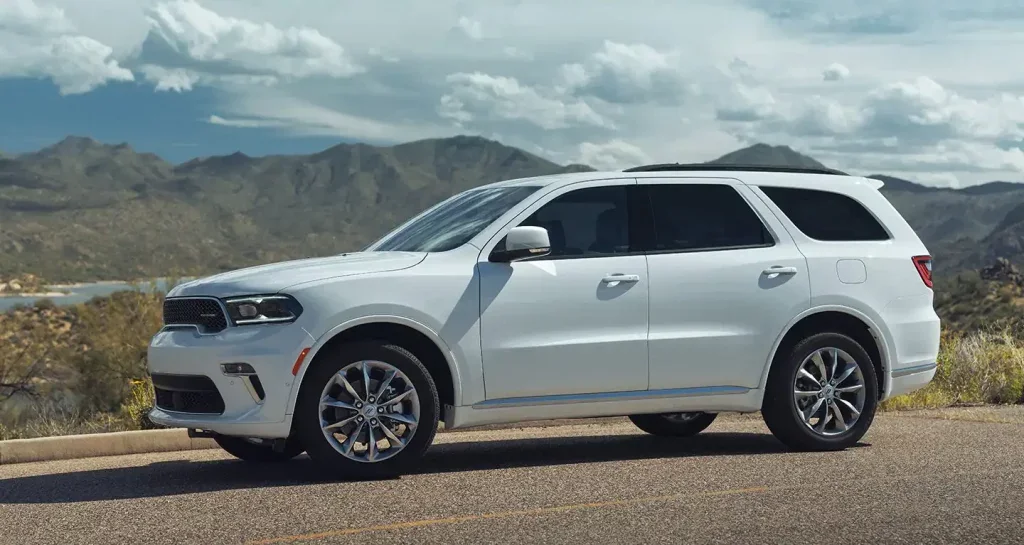
The Durango has been a favorite car among Dodge fans for over three decades, but have you ever wondered about the history of this vehicle? The story behind the Dodge Durango's evolution is a rather complicated one. As we draw closer to this vehicle's anticipated discontinuation in 2024, let's take a closer look at the behind-the-scenes history of the Dodge Durango. New Vehicle Offers Used Inventory Service Center History of the Dodge Durango The mid-sized SUV, the Dodge Durango, first emerged on the automobile scene in 1997. With its design modeled after a pickup truck with a covered trunk, Dodge hoped to appeal to prospective customers looking for an SUV midway between smaller models like the Ford Explorer and larger cars like the Chevrolet Tahoe. Since then, this beloved vehicle has gone through four generations. The Durango also briefly disappeared from the car scene between 2009 and 2011 before returning to the market. The Story of the Durango Name Did you know that the Dodge Durango received its name from a city in Colorado? Durango is a small town in this state known for its historical connections to America's vast railroad system. This city in Colorado was named after a Mexican state called Durango. By naming this SUV Durango, Dodge hoped to emphasize its revolutionary appearance on the automobile scene. The Evolution of the Durango Dodge first introduced the 1998 model of the Durango toward the end of 1997 as a replacement for its Ramcharger line of vehicles, which Dodge had produced for 28 years. Originally, the Dodge Durango had much of its platform in common with the Dakota pickup truck, meaning that it shared many of the Dakota truck's exterior and interior styling features. The primary change to the Durango's second generation was the introduction of the new and highly powerful 5.7-liter Hemi engine in the lineup. With the reappearance of the Durango on the market in 2011 for its third generation, Dodge made extensive changes inside and out, including giving consumers a choice between a V6 and a V8 engine and a much more spacious interior for its three rows. For its fourth and final iteration in 2020, Dodge decked out the Durango with top-of-the-line exterior features and a choice between a 3.5-liter V6 or a 5.7-liter V8 Hemi engine. Dodge has already announced that the forthcoming 2024 model of the Durango will be the vehicle's last appearance on the market before discontinuation. This is for a few reasons, including that Dodge wants to spend more time adding or updating hybrid and electric cars to its product lines and that the company noticed a decrease in Durango sales over the years. That said, Dodge has yet to comment on what the final 2024 model could look like or if an electrified replacement model exists. Changes to the Durango Exterior When Dodge first released the Durango, this SUV had numerous exterior elements in a retro style, such as its front fenders flared out and positioned lower than the hood, a crosshair grille design, and narrow horizontal headlights. The curved windshield, however, gave the Durango body a modern touch. With the release of the second generation of the Durango, its chassis continued to resemble the Dakota pickup truck, but that all changed in 2007 thanks to the redesigned hood of the vehicle. By the time the third generation of the Durango rolled around, Dodge made an apparent effort to distinguish this SUV from both the Dakota pickup truck and Dodge's other models. The redesigned exterior gave the Durango a more muscular appearance thanks to its sculpted hood, raised front bumper, and slimmed-down split crosshair grille. The rear also now featured glamorous LED racetrack tail lamps and a newly designed trailer hitch. Although the fourth generation received fewer updates to its exterior, the brand-new bumper, grille, and LED headlights gave the Durango a much more modern appearance. How the Durango's Features Changed In its first iteration, much of the Durango's interior resembled the Dakota pickup truck, including a similar dashboard design. A key difference was that the Durango offered a third row of rear-facing seats, allowing the vehicle to fit up to eight people. Dodge later removed this feature because of low market demand and replaced it with the now customary third row facing toward the front of the car, allowing seven people to fit comfortably within the Durango. While the second generation of the Durango more or less possesses the same interior features, the reappearance of the Durango on the car scene in 2011 offered many more stylish and technologically advanced updates. This included many outstanding safety features, such as tire pressure monitoring, all-speed traction control, rear parking assistance, and electronic stability control. The third generation also added touch screens in either a 5-inch or 8.4-inch size. Come 2020, the interior of the Durango received further updates. This included new materials and a standard UConnect infotainment system. Durango Through the Years: Engines and Fuel Efficiency With the V8 engine in its first generation, the Durango achieved 14 mpg in city conditions and 19 mpg while traveling along the highway. This engine also had an impressive 238 horsepower and 295 lb-ft of torque. Thanks to the engine upgrades of the second edition, the Durango boosted its city mpg to 16 and its highway to 21. The V8 engine in this second generation also raised its horsepower to 349. As the Durango evolved, it became even more powerful. With the advent of the third generation, the Durango could reach 294 horsepower and 260 lb-ft of torque thanks to its V6 engine, compared to 360 horsepower and 390 lb-ft of torque with the V8 engine. By 2020, the Durango will also become much more fuel-efficient despite its large and heavy frame, scoring 18 mpg in city conditions and 26 mpg along the highway. Did you get a chance to drive multiple iterations of the Durango? What's been your favorite part about how the Dodge Durango's evolved over the years? Let us know by leaving a comment on this blog. And if you're interested in getting a Durango of your own, feel free to browse our inventory of new Durango vehicles or used Durango models. You can also book a service appointment online if you have a Chrysler, Dodge, Jeep, or Ram vehicle you'd like our experts to take a closer look at. Photo Credit: Image via dodge.com
How to know if your Chrysler has a slow tire leak
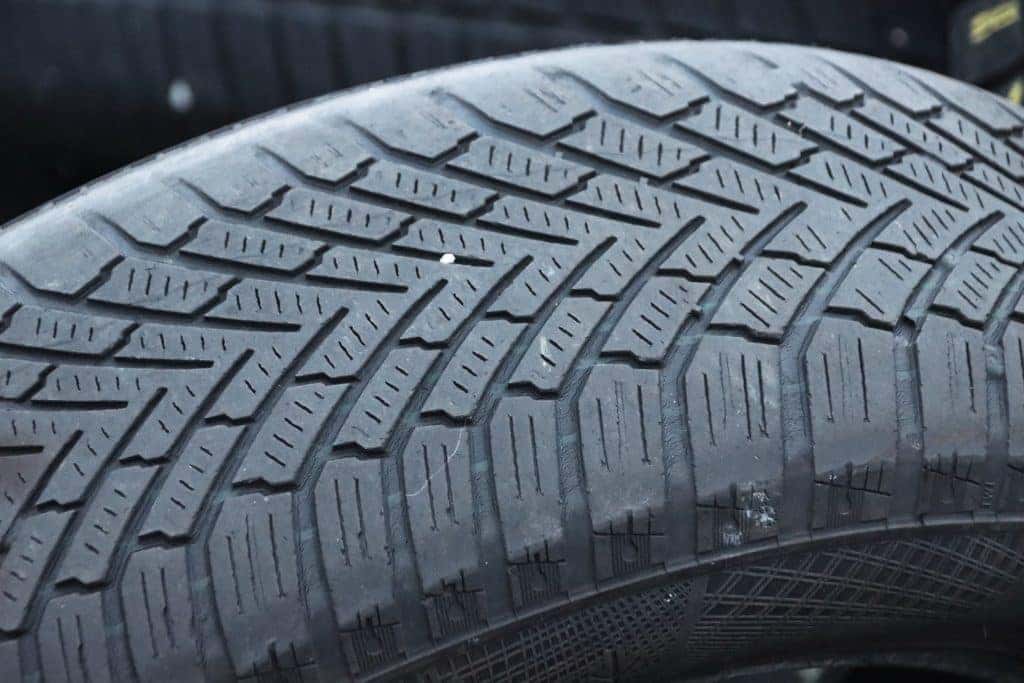
Low tire pressure can be a nuisance, especially if it becomes a regular occurrence. Heading to the gas station or auto shop every month just to put some air into your tires can be very time-consuming and may lead to further complications in the future. It's essential to make sure your tires have the right amount of air to function properly and keep you safe on the road. When you suspect your tires have a slow leak, it's crucial to diagnose the issue and get it fixed by a professional as soon as possible. Not sure how to tell if your Chrysler has a slow tire leak? Our team at Bill Volz's Westchester has compiled a list of frequently asked questions about slow tire leaks and some helpful answers. With this guide, you'll have the knowledge and confidence to identify tire leaks on any Chrysler vehicle. What Is a Slow Tire Leak? A slow tire leak occurs when a car's tire loses small amounts of air pressure consistently, which can lead to other complications such as flat tires, blowouts, or inefficient steering of the vehicle over time. Slow tire leaks are relatively common, especially for those driving in industrial areas where driving over metal debris is more likely. Most newly manufactured cars have tire pressure monitoring systems that alert the driver when a tire loses at least 25% air pressure, making it easier to avoid more complex issues in the future. Even if you have this new technology, identifying a slow leak can still be a challenge. When a driver sees their tire pressure light come on, their first instinct might be to take the vehicle to a gas station to pump in new air manually. If your vehicle rarely has air pressure problems, this situation can be completely normal and not indicative of any more complex issues with the car's systems. When drivers have to pump new air frequently, they might have a slow leak instead. This situation often requires additional maintenance performed by a professional. What Causes Tire Leaks? There are three main causes of slow tire leaks, all of which can go unnoticed for some time before you notice the physical signs: Punctured tire: A punctured tire can result from a variety of factors, but usually happens after driving over pieces of metal debris, like nails. This debris wedges itself into your tire, slowly letting out air each time the car's weight pushes onto the tire itself. Damaged valve stem: The valve stem is the small attachment on your wheel where you can add, remove, or check your car's tire pressure. The valve stem can corrode over time, removing the seal that keeps the air inside the tires and leading to a slow leak. Damaged wheel: Another common cause of slow tire leaks is damage to the wheel itself. Impacts from riding over curbs, speed bumps, or potholes can all deform the metal of the wheel, causing tires to fit less snugly in the wheel and a slow leak to form in the space between them. What Are The Signs of a Slow Tire Leak In Your Chrysler? When you suspect your Chrysler has a slow tire leak, here are some of the primary signs to look out for: Tire pressure light: If your tire pressure monitoring system light comes on frequently, it may be a sign of a slow tire leak. This is especially true if you regularly add air to all your tires and still notice the tire pressure light on a regular basis. Poor steering: If your car has low tire pressure because of a slow leak, this can lead to poor maneuvering of the vehicle to no fault of the driver. The lack of air in the tires can make the car sway, making it harder to turn effectively. Flat tires: Another sign of a slow tire leak is frequent flat tires, especially if they occur after you park the car for a long time. If you consistently have flat tires even after putting in new air — or replacing them altogether — this could be a sign of a wheel-related maintenance issue causing the slow tire leak. What Should You Do When You Find a Tire Leak? When you find a tire leak on your Chrysler, your first point of action should be to contact your dealership. Stop driving the vehicle immediately and inspect your tires for any obvious punctures or damage. If you find the source of a puncture, you can replace it with a space or use a sealant product to buy your tire sometime before bringing the car in for a professional evaluation. Afterward, call or make an appointment online with our service department to schedule a time slot to bring the car in so our expert technicians can repair the leak. Why Should You Fix a Tire Leak at a Dealership? Whether your car has a tire leak, faulty light, or low oil, getting it serviced at your Chrysler dealership ensures it gets all the necessary repairs. The technicians at our dealerships are factory-trained and have access to the official parts created by the manufacturer. Therefore, they have access to resources and information that standard auto mechanics simply don't have. When you take your car to a Chrysler dealership, you can feel confident that you're receiving the best possible service and care for your vehicle. So, there you have it. We've answered the most frequently asked questions for identifying a slow tire leak on your Chrysler. We hope you found this article useful and can apply the information you learned the next time you suspect low tire pressure or a leak. Did we leave out one of your questions about diagnosing slow tire leaks? Want to learn more about proper Chrysler maintenance and care? Feel free to contact us today at Bill Volz's Westchester in Cortlandt, New York, and a member of our dedicated staff will be more than happy to answer your questions. You can also call our service center at 888-711-9927.
The Best CDJR Cars for New Yorkers
If you live in eastern New York, you're no stranger to hot and cold weather and lots of precipitation. Even the driest months in Westchester still have more rainfall than many other locations in the country, with March, June, and December being the months with the rainiest and snowiest weather. When buying a CDJR car to drive on Long Island, it's essential to consider if your choice can handle the island's heavy precipitation and snowfall, plus protect you and your passengers during any weather event. For example, the Wrangler can help you maintain traction and navigate in icy conditions because of its four-wheel-drive capabilities. It's al o important to consider a car's fuel economy, as cold weather can lower your gas mileage. Read on to discover some of the best CDJR vehicles for driving in Long Island, based on their weather-resistant features, safety components, and performance on slick, icy roads. 2022 Ram 1500 The Ram 1500 is an excellent truck for Long Island weather because it offers traction and control in slick and icy conditions. It's a full-sized pickup that provides a luxurious ride and outstanding efficiency. You can use this truck to haul and tow things, which can be a plus for the summer months when you may want to tow a boat or other watercraft to a nearby beach. For example, the Limited trim package has a four-corner active level air suspension system that can balance extra weight from hauling heavy loads. The standard 2022 Ram 1500 offers a mile per gallon rating of up to 21 in the city and 29 on the highway. The Eco diesel option can also offer a fuel economy upgrade at 22 in the city and 33 on the road, which may help protect your gas mileage during the coldest months of winter. 2022 Dodge Durango The 2022 Dodge Durango is an excellent choice for driving around eastern New York because of its four-wheel drive and off-roading capabilities, which may be helpful when driving over sandy terrain at the beach. While this model of SUV may not be as rugged as others, it can still perform well in demanding driving situations. For example, its anti-lock braking, and all-wheel drive systems can help drivers stay safe in icy weather, giving your tires more traction and preventing you and your passengers from skidding on slick roads. The 2022 Durango also has an adaptive suspension system that allows the SUV to provide a smooth and comfortable riding experience during rain and snow events. The vehicle's rain-sensing windshield wipers can also identify droplets automatically, helping you see the road clearly on your journey. The standard 2022 Dodge Durango offers a mile per gallon rating of up to 19 in the city and 26 on the highway. 2022 Chrysler Pacifica The 2022 Chrysler Pacifica is a family-focused vehicle that offers intuitive safety technology. This can make it a great model for driving on Long Island, as it helps both passengers and drivers feel safe during trips. Some safety features that can be helpful during turbulent weather include lane departure warnings, electronic stability control, brake assistance, and comprehensive airbags in the passengers' front, rear, and side areas. Its automatic all-wheel-drive system allows this van to provide drivers with more control and traction during stricter driving conditions. The minivan has the unique ability to transfer all the torque to the rear wheels, so the vehicle offers the highest level of traction. This can be an excellent minivan for all-weather driving. You can use preventative maintenance like oil changes, cabin air filter changes, windshield wiper replacements, tire rotations and alignments, and brake adjustments. The standard 2022 Chrysler Pacifica offers a mile per gallon rating of up to 19 in the city and 28 on the highway. Jeep Wrangler The 2022 Jeep Wrangler offers an all-weather floor mat and drainage plugs, which allow you to keep the vehicle clean and dry after adventures in the snow and rain. It supplies the driver with four-wheel drive capabilities and a V-6 engine for managing difficult roads and terrain in snowy and rainy weather. The Wrangler offers a mile per gallon rating of up to 17 in the city and 23 on the highway. The 2022 Jeep Wrangler also can remove the car's doors, top, and windshield, which can be beneficial during Long Island's summer month as its temperatures can reach a high of 90 degrees Fahrenheit. The 202 Unlimited Sport and Unlimited Willys trims also have high-powered air-condition systems and automatic temperature control, keeping you cool as you drive. 2022 Ram 2500 Though the 2022 Ram 1500 is an excellent truck for managing the Long Island climate, the 2022 Ram 2500 offers more towing, hauling, and power than the 1500 model, which can make it more capable in the Long Island rain and snow. To mana e heavy precipitation and freezing temperatures, for example, the Ram 2500 provides front and rear climate control outlets. It also offers you an adaptive forward lighting system with LED capabilities, which can help you see the road during harsh weather. With 4x4 capabilities and high ground clearance in each trim package, the 2022 Ram 2500 can power through harsh conditions, including snowy terrain and rain-slick roads. Though his truck is large, it comes with driver-assisting technology that helps you drive and park, including active braking and blind-spot monitoring. While t e Ram 2500 doesn't have information available on its fuel economy yet, it can hold a tank of up to 32 gallons. 2022 Jeep Renegade Though the 2022 Jeep Renegade is smaller and more lightweight than other Jeep models, it still offers the same off-roading abilities that many people expect from a Jeep, making it great for tackling Long Island terrains during harsh weather. Renegades also feature wide safety measures, including lane-keeping and cross-traffic alerts. These f features can be beneficial with limited visibility because of rainy and snowy conditions. The com act size of this SUV offers a blend of storage and ease-of-parking that can also help you drive in Long Island when roads are wet or icy. For a compact SUV, the Renegade has an excellent towing capacity of up to 2,000 pounds. The standard Renegade pulls with 210 lb-ft of torque and 177 horsepower, which can be great for towing summer or winter sporting equipment in Long Island. The Jeep Renegade offers a mile per gallon rating of up to 24 in the city and 32 on the highway. Bill Volz Westchester's list of six great options for vehicles that can tackle Long Island's temperamental weather, including the heavy rain and snowfall. You have many options for new weather-safe vehicles, from tricks to compact SUVs. Did we mention your top pick for Long Island driving? Is there another model you think may perform better? If so, c ontact us online or call us at 914-966-6133.