




As your car’s only contact with the road surface, tires are crucial for its handling and safety. That’s why regular tire maintenance is important for your, your passengers’, and other road users’ safety. Part of your tire care routine is tire rotation, which involves moving each wheel to a different position on the car.
If you doubt the need for tire maintenance, just imagine a car having a blowout at high speed on a busy freeway. The consequences can be devastating. We can handle all your tire care needs at Bill Volz Westchester in Cortlandt, New York. But how do you know when you need a tire rotation?
Understanding Tire Rotation
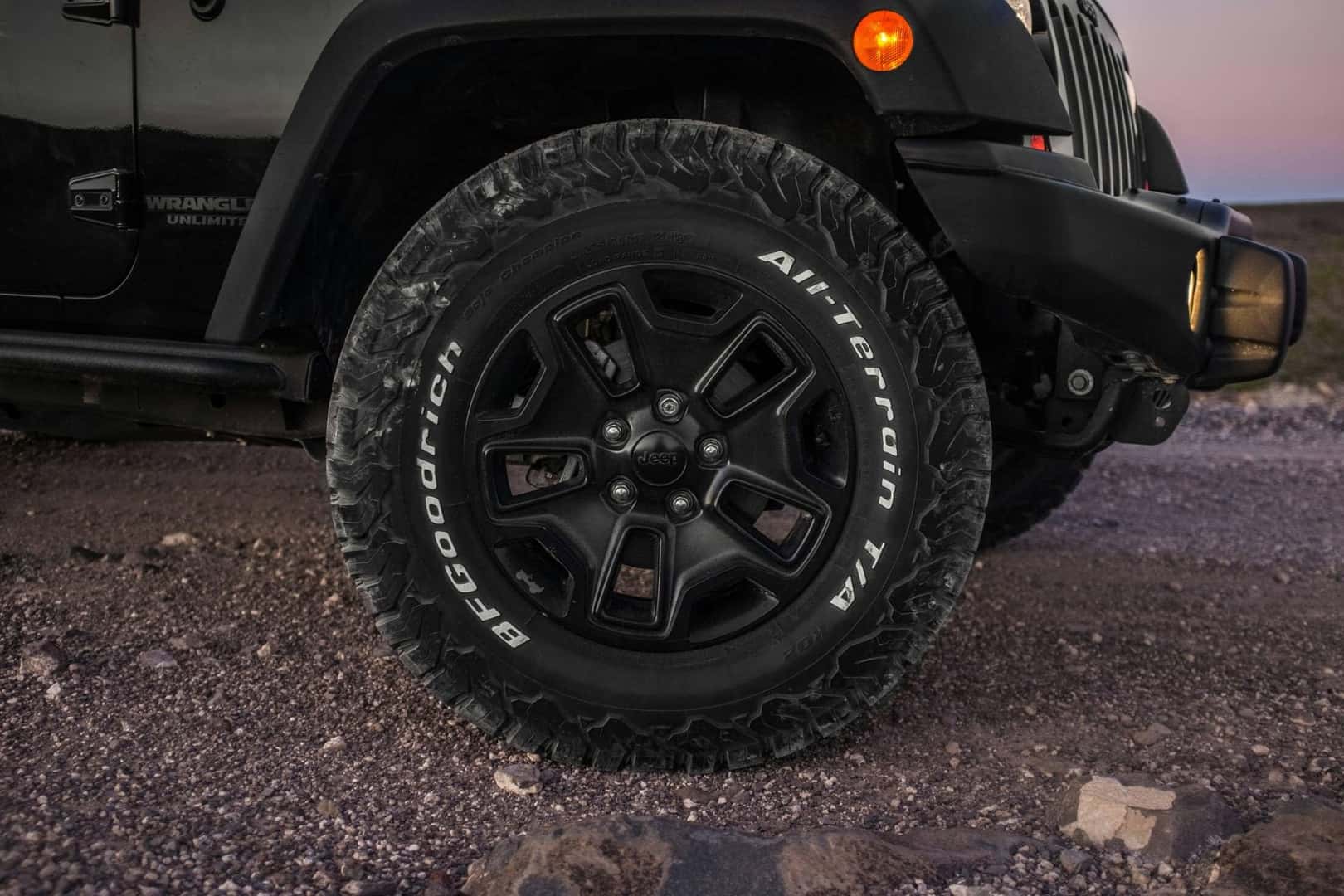
Your car’s tires provide grip on the road for safe cornering and efficient stopping. On wet roads, they help disperse water to maintain traction. Each tire experiences different stresses depending on its position on the car.
On most cars, the front tires work hardest, carrying the engine’s weight, steering the car, and handling the braking forces. In front-wheel-drive vehicles, they also pull the car. With rear-wheel drive, the rear tires propel the vehicle. You might think that all-wheel-drive vehicles would have more even tire wear, but that’s not the case — power distribution between wheels depends on which wheel needs it.
However, in most cases, the front tires tend to wear more quickly than the rear ones. Tire rotation involves swapping the front and rear tires in a specific pattern so that they wear evenly. Regular rotation will help maintain the tires’ performance and extend their life, keeping you safer and saving you money.
Tire Rotation Patterns
Correct tire rotation depends on whether your vehicle has front-wheel, rear-wheel, all-wheel, or four-wheel drive. At Bill Volz Westchester, our technicians will ensure your vehicle’s correct rotation pattern. If you plan to rotate the tires yourself, know the recommended pattern before you start.
Signs You Need a Tire Rotation
Your vehicle owner’s manual will specify how often to rotate the tires, or you can ask our Bill Volz Westchester service department experts. However, even if you don’t think it’s due, you can look out for signs that you need a tire rotation.
Uneven Tire Wear
If you notice more wear on your front tires than the rear or more wear on one side of an axle, it’s time for a tire rotation. If an individual tire has uneven wear across the tread, it’s more likely due to wheel misalignment or an unbalanced wheel. Our tire experts can check it out for you.
Vibration at Higher Speeds
If you feel the car vibrating at speeds over 45 mph, it may need a tire rotation. The front wheels probably need balancing if the vibration is just at the front or from the steering wheel.
Mileage Indicator
We recommend a tire rotation every 5,000-8,000 miles, when you schedule an oil change, or every six months. However, you may need to do it more often if you’re a heavy-footed driver or frequently drive in harsh conditions. Spinning the wheels when pulling away and lots of heavy braking will speed up tire wear, so you’ll require more frequent tire rotations.
Visual Inspection and Tire Pressure
You should regularly check the pressure of all your tires because the incorrect pressure can be dangerous. At the same time, you can inspect your tires for potential problems, such as imperfections, cuts, and bulges, as well as uneven tire wear that could indicate a rotation is necessary.
The Impact of Neglecting Tire Rotation
Neglecting tire rotation can affect the safety of your vehicle and cost you money. Unevenly worn tires can lead to poor handling and less efficient braking, potentially causing you to have an accident. Your car will experience increased wear and tear to other related components, not just the tires. The vehicle will also be less fuel-efficient, meaning more stops at the gas station.
DIY vs. Professional Service
You can carry out a tire rotation, but you’ll need some special equipment. To move tires, you’ll need to raise the whole car and support it on jack stands, which can be dangerous and time-consuming. If a jack stand fails while the wheels are off, your car could sustain serious and expensive damage. Our professional service center has state-of-the-art equipment to carry out tire rotations, including vehicle lifts and air-powered wrenches for a speedy service.
Maintaining Your Tires Post-Rotation
After a tire rotation, it’s important to carry out routine checks to ensure your tires perform at their best and spot any potential problems. At least once a month, check your tire pressures. Underinflated or overinflated tires cause less tread to be in contact with the road, so they’ll wear out unevenly and prematurely. You can find the correct pressures for your vehicle in the owner’s manual and on the driver-side door pillar.
While checking the tire pressures, inspect them for any damage. Look for cuts, tears, or bulges on the side walls or the treads. Any of these could cause a blowout. Check the tread for uneven wear that could indicate your car needs wheel balancing, alignment, or tire rotation. These simple routine procedures will help keep you safe on the road, and you can be confident your tires are in tip-top condition.
Schedule a Tire Rotation at Bill Volz Westchester
You should make tire maintenance a regular part of your vehicle care routine. Tire rotations are an important part of this routine to ensure vehicle safety and performance. Haven’t had a tire rotation recently? Contact us today at Bill Volz Westchester in Cortlandt to schedule a tire service. Our friendly service team will be happy to advise you on all aspects of tire care.
Connect with us


- July 2026
- June 2026
- May 2026
- April 2026
- March 2026
- February 2026
- January 2026
- December 2025
- November 2025
- October 2025
- September 2025
- August 2025
- July 2025
- June 2025
- May 2025
- April 2025
- March 2025
- February 2025
- January 2025
- December 2024
- November 2024
- October 2024
- September 2024
- August 2024
- July 2024
- June 2024
- May 2024
- April 2024
- March 2024
- February 2024
- January 2024
- December 2023
- November 2023
- October 2023
- September 2023
- August 2023
- July 2023
- June 2023
- May 2023
- April 2023
- March 2023
- February 2023
- January 2023
- December 2022
- November 2022
- October 2022
- September 2022
- August 2022
- July 2022
- June 2022
- May 2022
- April 2022
- March 2022
- February 2022
- January 2022
- December 2021
- November 2021
- October 2021
- September 2021
- February 2017
- January 2017
- December 2016
Archives
- Advice
- Challenger Tips
- Chrysler
- Chrysler Features
- Chrysler Service Tips
- Chrysler Tips
- Dodge
- Dodge Charger
- Driving Tips
- Electric Vehicles
- Financing
- Jeep Compass
- Jeep Lineup
- Jeep Owner Tips
- Jeep Tips
- Jeep Wrangler
- Local
- Local Cafes
- Local Shops
- Mopar
- Ram Trucks
- Service Tips
- Uncategorized
- Used Vehicles
- Vehicle Upkeep
- Wagoneer