




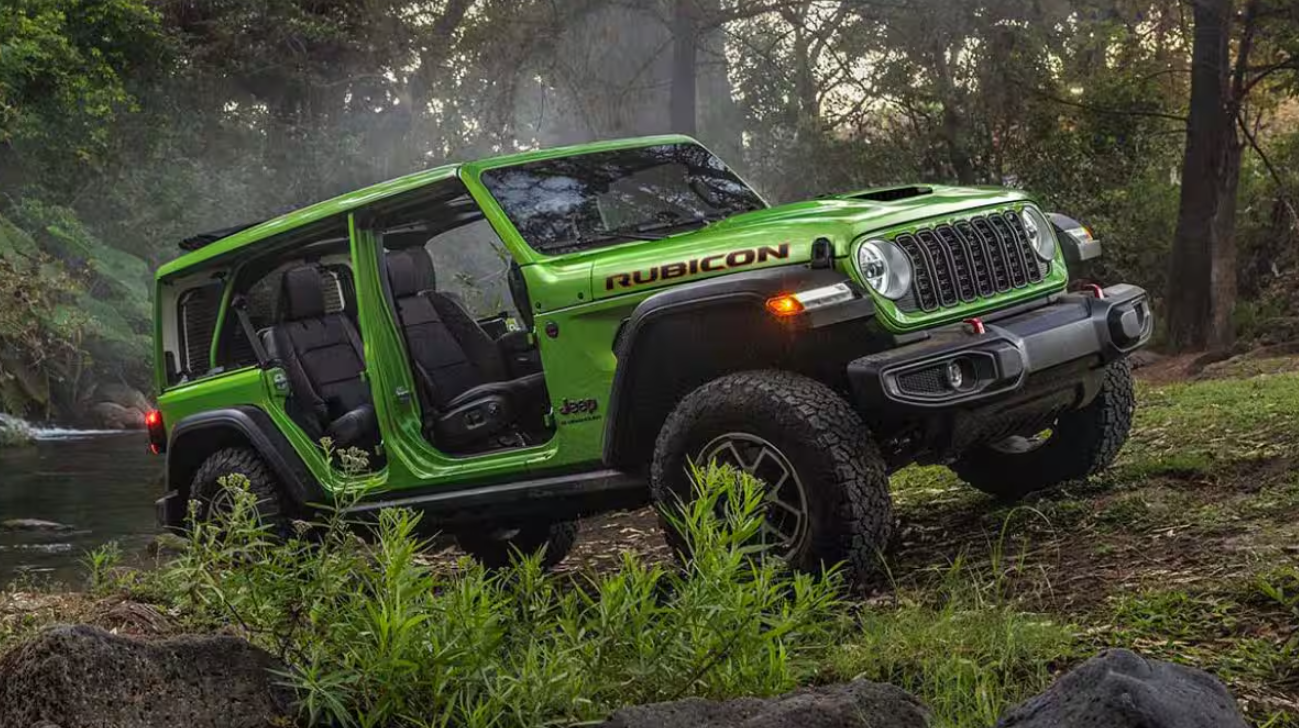
Shopping for a serious off-road vehicle means going beyond flashy branding and looking at what actually matters when rubber meets rock. The 2026 Jeep Wrangler Rubicon vs Bronco Badlands debate keeps dominating conversations among trail enthusiasts, and there’s good reason for that. These two heavyweights represent completely different philosophies for conquering rough terrain, each bringing distinct engineering approaches to the challenge.
At Bill Volz’s Westchester CDJR, we help drivers in Cortlandt Manor and throughout Westchester County match their off-road ambitions with the right vehicle. Working with countless customers who tackle everything from weekend getaways to hardcore trail expeditions has shown us firsthand how these technical differences translate to real-world performance. Ready to see the Wrangler Rubicon’s capabilities for yourself? Explore our Jeep inventory and discover what sets this legendary off-roader apart.
2026 Wrangler Rubicon vs Bronco Badlands: Quick Specs Comparison
The Rubicon vs Bronco matchup starts with understanding what each vehicle brings to the table. Both target experienced off-roaders who need genuine capability, not just rugged styling. The Wrangler Rubicon builds on decades of proven engineering and battlefield-tested reliability. The Bronco Badlands? That’s Ford’s modern take on trail dominance with contemporary technology.
Understanding Ford Bronco vs Jeep Wrangler specs helps clarify which vehicle aligns with your specific needs. Here’s how the key off-road capabilities stack up:
| Spec Category | Wrangler Rubicon | Bronco Badlands |
| Max Crawl Ratio | Up to 100:1* | 94.75:1 (manual) / 67.80:1 (automatic) |
| Ground Clearance | 12.9 inches | Up to 11.6 inches (2-door) / 11.5 inches (4-door) with Sasquatch Package |
| Approach Angle | 47.4° (4-door, with 35″ tires) | 43.2° (with 35″ tires) / 35.5° (standard) |
| Breakover Angle | Up to 32.4° (2-door w/ 35″ tires) / 26.7° (4-door) | 26.3° (4-door with 35″ tires) / 20.0° (4-door standard) |
| Departure Angle | 40.4° (4-door) | 37.0° (4-door with 35″ tires) / 29.5° (4-door standard) |
| Water Fording | Up to 35 inches | 33.5 inches (with Sasquatch Package) / 31.5 inches (standard) |
\*With manual transmission and available 4.88:1 axle ratio
The Wrangler’s up to 100:1 crawl ratio, superior approach angles, and available 35-inch water fording depth tell the story of Jeep’s engineering priorities. Meanwhile, the Bronco counters with competitive ground clearance and a more refined daily driving experience.
Engine options matter too: the Bronco Badlands offers a standard 2.3-liter EcoBoost inline-four delivering 300 horsepower and 325 lb-ft of torque, with an available 2.7-liter EcoBoost V6 bumping output to 330 horsepower and 415 lb-ft of torque.
Axle Technology and Suspension Architecture
Solid Front Axle vs Independent Front Suspension
The most fundamental difference between these vehicles lies beneath their frames. This solid front axle vs independent front suspension debate shapes everything else about how they handle obstacles. The Wrangler’s solid front axle connects both front wheels through a single beam, creating mechanical sympathy between the left and right sides.
This design delivers exceptional durability and superior traction on uneven ground. When one wheel climbs over a rock, the opposite wheel stays planted, maintaining contact and grip. The solid axle allows for better articulation, letting the suspension twist and flex to keep tires grounded where independent systems might lift a wheel.
The Bronco’s independent front suspension follows completely different logic. It provides a smoother ride on pavement and improved handling during daily driving. Each front wheel moves independently, absorbing bumps without transferring motion to the other side. This makes highway cruising more comfortable and reduces driver fatigue on long trips to trailheads.
What This Means on Rocky Trails
When you’re navigating technical terrain around Westchester County’s more challenging trails, these suspension differences become immediately obvious. The Wrangler’s solid axle forces both front wheels to work together, creating predictable behavior when crossing uneven surfaces. You maintain stability as the vehicle keeps its center of gravity over obstacles.
That forced articulation translates to better tire contact with the ground, which means maintaining traction exactly when you need it most. The mechanical connection between wheels helps the vehicle find grip even when traversing severely angled terrain. This becomes critical during rock crawling, where keeping all four tires engaged determines whether you make the climb or spin helplessly.
The Bronco’s independent setup can struggle in extreme scenarios where maximum articulation matters. While perfectly capable for most recreational off-roading, it may lift wheels in situations where the Wrangler keeps rubber on rock. That said, the independent suspension reduces stress on the chassis during normal driving, potentially offering better long-term durability for mixed-use vehicles.
Crawl Ratios and Low-Range Gearing for Technical Terrain
Low-speed control separates serious off-roaders from vehicles that simply look the part. The Wrangler Rubicon delivers its up to 100:1 crawl ratio through the Rock-Trac transfer case with 4:1 low-range gearing, which translates directly to better precision during technical maneuvers. A lower crawl ratio means the engine can turn more slowly while still delivering sufficient torque to the wheels.
This advantage becomes crucial during rock crawling. Maintaining momentum without building dangerous speed requires careful throttle control, and the Rubicon’s gearing allows drivers to creep over obstacles at walking pace. This gives you time to react and adjust lines without constantly riding the brakes. You can maintain steady progress up steep inclines while the transmission and transfer case multiply engine torque.
The Bronco offers versatile gearing options that work well for most situations. While it may not provide the same extreme low-speed control as the Rubicon, it delivers sufficient capability for recreational trail running. The trade-off involves slightly less precision during technical crawling in exchange for improved on-road drivability and fuel efficiency. If you’re curious how these differences feel in practice, schedule a test drive to experience the Rubicon’s crawl ratio firsthand.
Ground Clearance, Approach, and Departure Angles
Rubicon ground clearance numbers tell only part of the story when evaluating off-road capability. The Wrangler’s 12.9 inches of ground clearance pairs with exceptional approach and departure angles to create a geometry advantage on technical trails. The Bronco sometimes edges closer with up to 11.5 inches of ground clearance, giving it decent capability when traversing deep ruts or crossing obstacles directly beneath the chassis.
The Wrangler holds a clear advantage with its 47.4-degree approach angle, 26.7-degree breakover angle (4-door) or up to 32.4 degrees on 2-door models, and 40.4-degree departure angle. These angles matter tremendously when navigating steep inclines without scraping bumpers or undercarriage components. The Wrangler’s design allows it to climb sharper obstacles without the front bumper contacting the rock face. When descending steep grades, the rear bumper clears obstacles that might catch on vehicles with less favorable departure angles.
The Bronco vs Wrangler size comparison reveals interesting differences in how these vehicles package their capability. Both maintain relatively compact footprints for maneuvering tight trails, but their dimensional choices affect breakover angles and overall agility. The Wrangler’s shorter wheelbase options provide tighter turning circles, valuable when navigating switchbacks or threading through trees common on trails within an hour of Cortlandt Manor.
Locking Differentials and Traction Management Systems
Electronic Lockers and Disconnecting Sway Bars
Modern traction technology has transformed off-road capability. Both vehicles showcase advanced systems, but electronic lockers and disconnecting sway bars represent key features that separate capable vehicles from pretenders. The Rubicon’s electronic sway bar disconnect stands out as particularly effective, allowing dramatically increased wheel articulation when conditions demand maximum flex.
Locking differentials force both wheels on an axle to rotate at the same speed, preventing power from flowing uselessly to a spinning tire. The Wrangler Rubicon includes Tru-Lok electronic locking differentials at both front and rear axles, providing maximum traction when all four wheels need equal power distribution. This becomes essential when climbing over rocky obstacles where any wheel lift means lost momentum.
The disconnecting sway bar feature deserves special attention. Sway bars reduce body roll during cornering by mechanically connecting left and right sides of the suspension. While beneficial for on-road handling, they limit articulation off-road. Electronically disconnecting the front sway bar lets the Wrangler’s suspension twist freely, maintaining tire contact over dramatically uneven terrain.
Terrain Modes and Trail Technology
The Bronco’s Terrain Management System includes seven G.O.A.T. Modes (Goes Over Any Type of Terrain), providing settings tailored for different environments and enhancing adaptability across various conditions. These preset configurations adjust throttle response, transmission behavior, traction control intervention, and other parameters to optimize performance. Rock crawl mode, for instance, calibrates systems completely differently than sand mode or mud mode.
The Wrangler counters with its Off-Road Pages package, offering extensive trail data and navigation tools. This system displays real-time information including pitch, roll, altitude, and pressure readings. Having this data readily available helps drivers make informed decisions about whether they can safely navigate upcoming obstacles.
Both systems contribute to more enjoyable and safer off-roading experiences. The choice between preset modes versus detailed information displays often comes down to personal preference and experience level. Our team at Bill Volz’s Westchester CDJR can walk you through how each system works, so view our new vehicle selection and let us demonstrate these features in person.
Trail-Ready Design and Durability Features
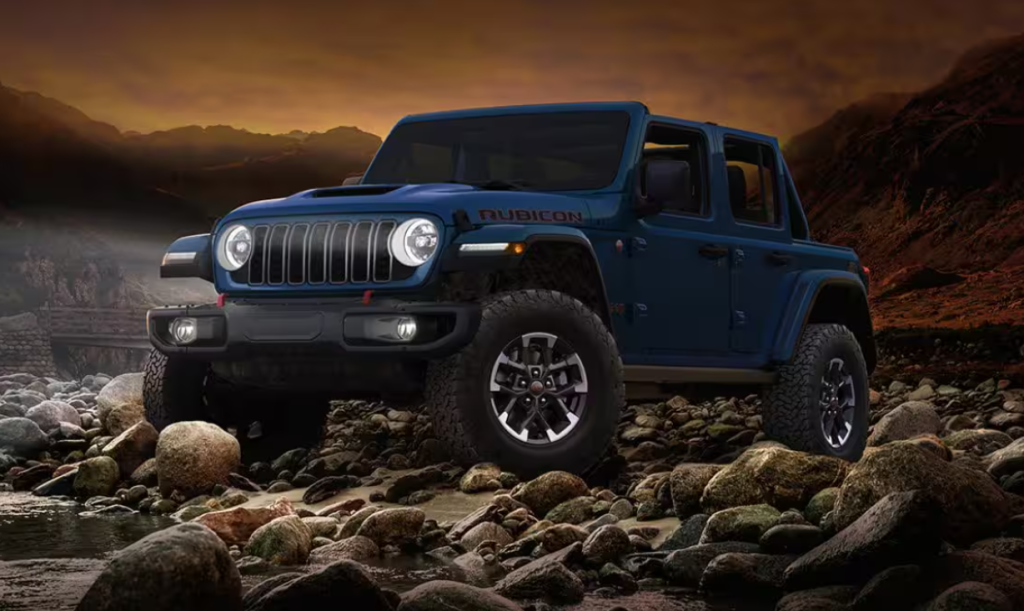
Trail-ready design and durability features extend beyond mechanical components to overall construction philosophy. The Jeep Rubicon vs Ford Bronco comparison includes materials, weatherproofing, and practical considerations for vehicles that regularly get muddy, wet, and dirty.
Undercarriage Protection and Build Quality
The Wrangler’s rugged build emphasizes easy cleanup after messy adventures, with drain plugs and removable floor materials. Steel bumpers, rock sliders, and skid plates protect vulnerable components from trail damage. Both vehicles offer these features, though their coverage and robustness vary significantly.
The Rubicon comes equipped with heavy-duty rock rails and reinforced undercarriage protection as standard equipment, recognizing that serious trail running inevitably means contact with obstacles. This protection matters for Westchester County drivers who push their vehicles on demanding trails, and our service department has the expertise to maintain these systems properly.
Wet Weather and Water Crossing Capability
The Bronco incorporates marine-grade materials and drainable interiors, emphasizing readiness for wet and challenging conditions. Its 33.5-inch water fording depth actually falls short of the Wrangler Rubicon’s available 35-inch rating. This approach appeals to drivers who frequently encounter water crossings or muddy terrain. Both philosophies work effectively, just with slightly different priorities in how they address the reality of off-road vehicle ownership.
Removable Doors and Tops
Removable doors and tops enhance the open-air experience that makes off-roading special. The Wrangler’s legendary door and top removal system remains unmatched for simplicity and versatility. The Bronco offers removable tops, but the process typically involves more complexity and time compared to the Wrangler’s tool-free approach.
Which Off-Roader Wins for Westchester Area Trails
The Wrangler vs Bronco decision ultimately depends on matching capabilities to your specific needs and priorities. For drivers prioritizing ruggedness, technical capability, and proven off-road performance, the Wrangler Rubicon often emerges as the preferred choice. Its solid front axle, superior articulation, and class-leading low-speed gearing deliver advantages when tackling challenging terrain around Westchester County and beyond.
The Bronco appeals to drivers seeking modern technology and versatile performance across varied conditions. Its independent front suspension provides better daily drivability, while still offering legitimate off-road capability for most recreational situations. If your off-roading involves more forest service roads and moderate trails than extreme rock crawling, the Bronco’s balanced approach might suit you better.
Consider how you’ll actually use the vehicle. Weekend warriors who occasionally venture onto maintained trails have different needs than dedicated enthusiasts who seek out technical challenges. The Wrangler excels when pushed to extremes. The Bronco offers a more refined overall package for mixed use.
Visit Bill Volz’s Westchester CDJR
At Bill Volz’s Westchester CDJR, we encourage test drives and honest conversations about your off-road ambitions. Our factory-trained technicians understand these vehicles inside and out, and we’re here to help you make an informed decision. The Wrangler Rubicon represents proven capability backed by decades of trail-tested engineering from Stellantis.
Both the Jeep vs Bronco represent legitimate off-road capability, just with different strengths and trade-offs. Contact our team to discuss which approach aligns better with your plans for exploring the trails around Westchester and beyond. The right off-road vehicle amplifies your adventures rather than limiting them, and that decision deserves careful consideration based on real capability, not just marketing hype.
Connect with us


- July 2026
- June 2026
- May 2026
- April 2026
- March 2026
- February 2026
- January 2026
- December 2025
- November 2025
- October 2025
- September 2025
- August 2025
- July 2025
- June 2025
- May 2025
- April 2025
- March 2025
- February 2025
- January 2025
- December 2024
- November 2024
- October 2024
- September 2024
- August 2024
- July 2024
- June 2024
- May 2024
- April 2024
- March 2024
- February 2024
- January 2024
- December 2023
- November 2023
- October 2023
- September 2023
- August 2023
- July 2023
- June 2023
- May 2023
- April 2023
- March 2023
- February 2023
- January 2023
- December 2022
- November 2022
- October 2022
- September 2022
- August 2022
- July 2022
- June 2022
- May 2022
- April 2022
- March 2022
- February 2022
- January 2022
- December 2021
- November 2021
- October 2021
- September 2021
- February 2017
- January 2017
- December 2016
Archives
- Advice
- Challenger Tips
- Chrysler
- Chrysler Features
- Chrysler Service Tips
- Chrysler Tips
- Dodge
- Dodge Charger
- Driving Tips
- Electric Vehicles
- Financing
- Jeep Compass
- Jeep Lineup
- Jeep Owner Tips
- Jeep Tips
- Jeep Wrangler
- Local
- Local Cafes
- Local Shops
- Mopar
- Ram Trucks
- Service Tips
- Uncategorized
- Used Vehicles
- Vehicle Upkeep
- Wagoneer